Wet Film Thickness (WFT) Explained

The Foundation of Fire Protection Performance and Compliance

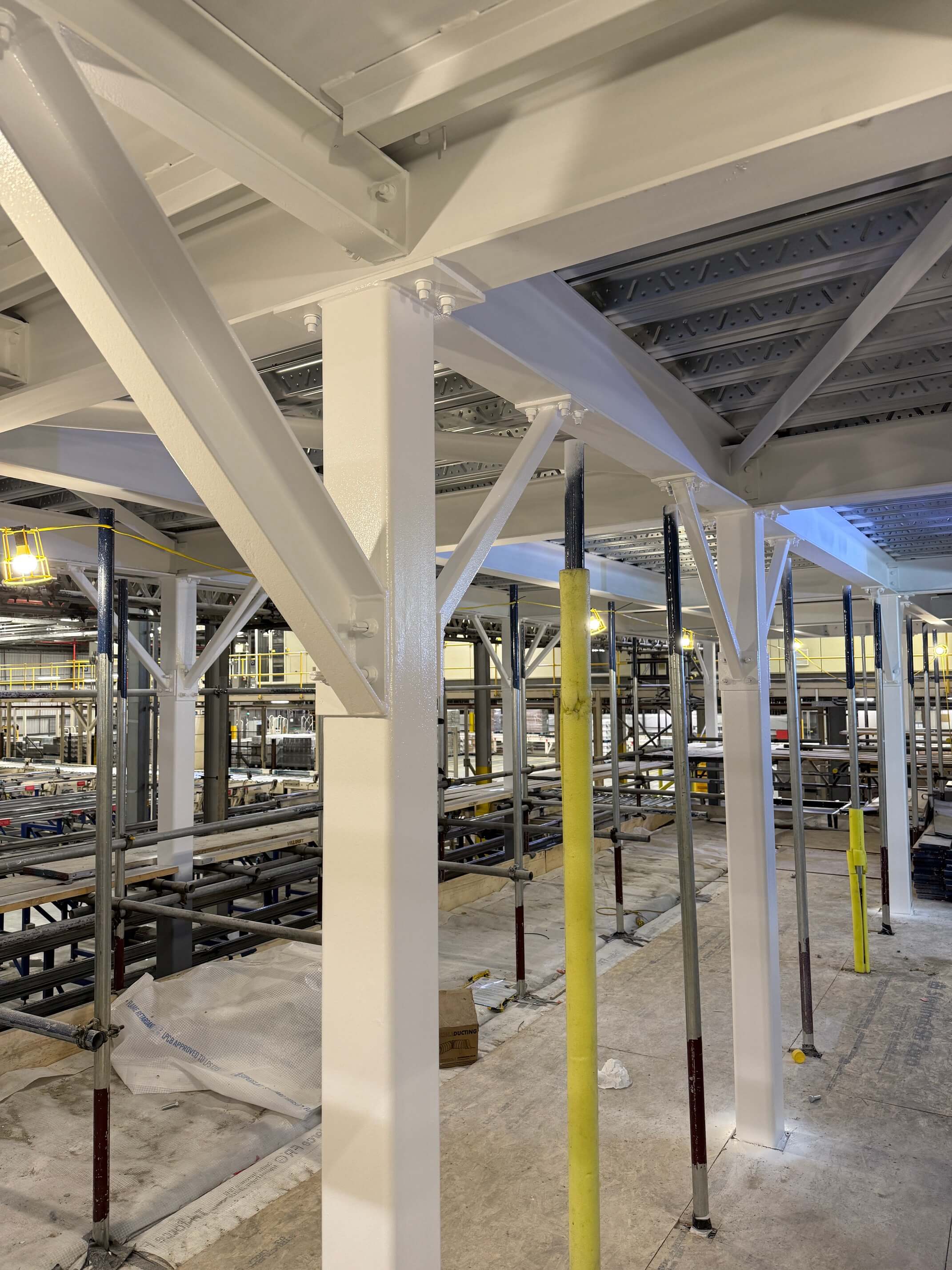
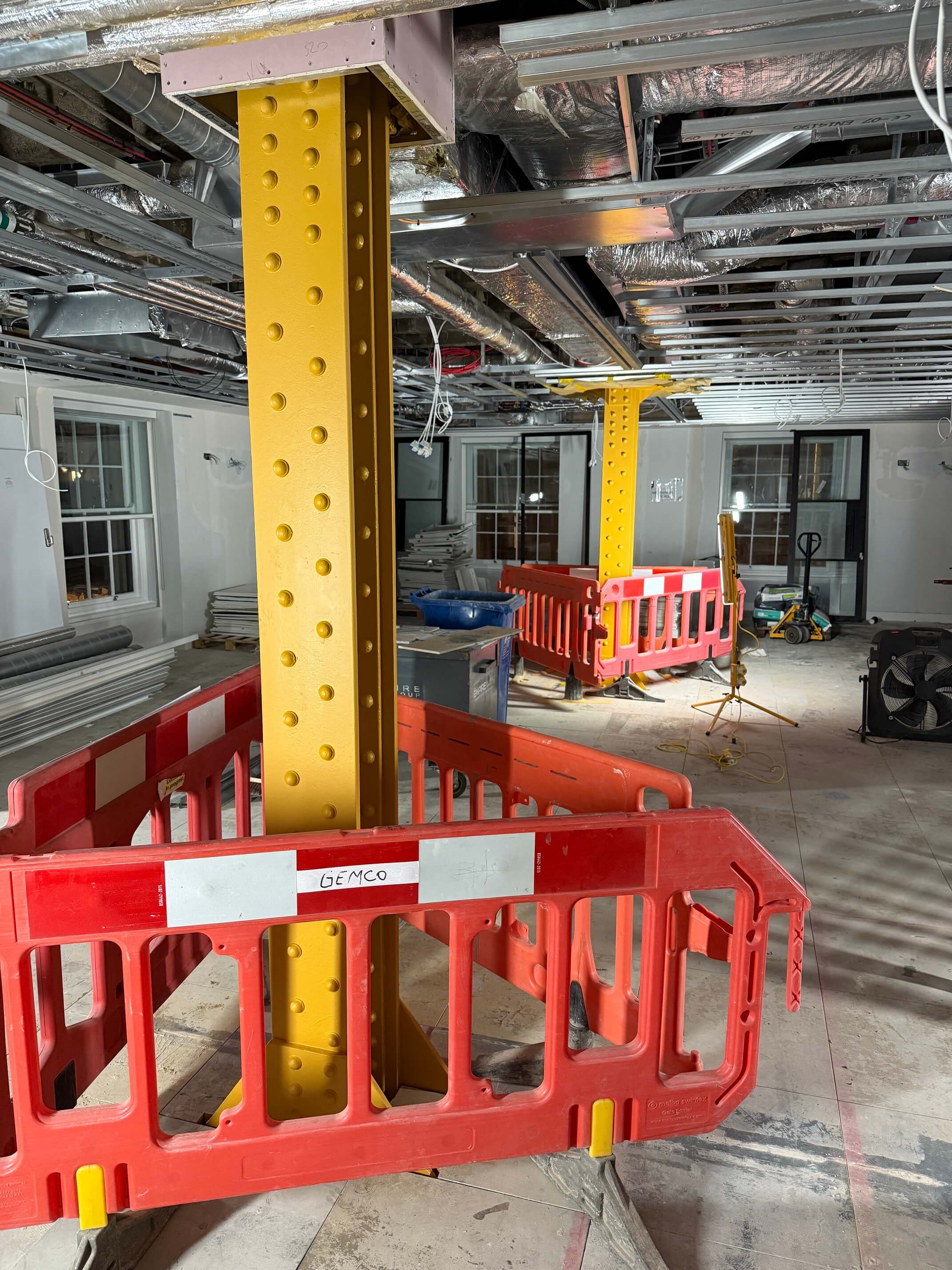
Wet Film Thickness (WFT) is one of the most critical controls in structural steel fire protection. It directly determines whether an intumescent coating will perform as tested, achieve the required fire-resistance period, and meet regulatory approval. Without accurate WFT control, even the best fire-protection products cannot deliver their certified performance.

Why Thickness Determines Fire Performance

Fire Resistance Is Thickness-Dependent

Fire resistance ratings — such as 30, 60 or 90 minutes — are achieved through independent laboratory testing of intumescent coating systems applied at specific thicknesses. These tests establish how long coated steel remains below its critical failure temperature during a fire.

The specified WFT for a 30-minute rating is fundamentally different from that required for 60 or 90 minutes. If the coating is under-applied, the steel will heat faster than the tested system allows. Over-application can also create defects, cracking or adhesion issues. Fire performance is only achieved when coatings are applied exactly to the tested specification.

How Wet Film Thickness Is Measured on Site

Immediate, In-Process Measurement

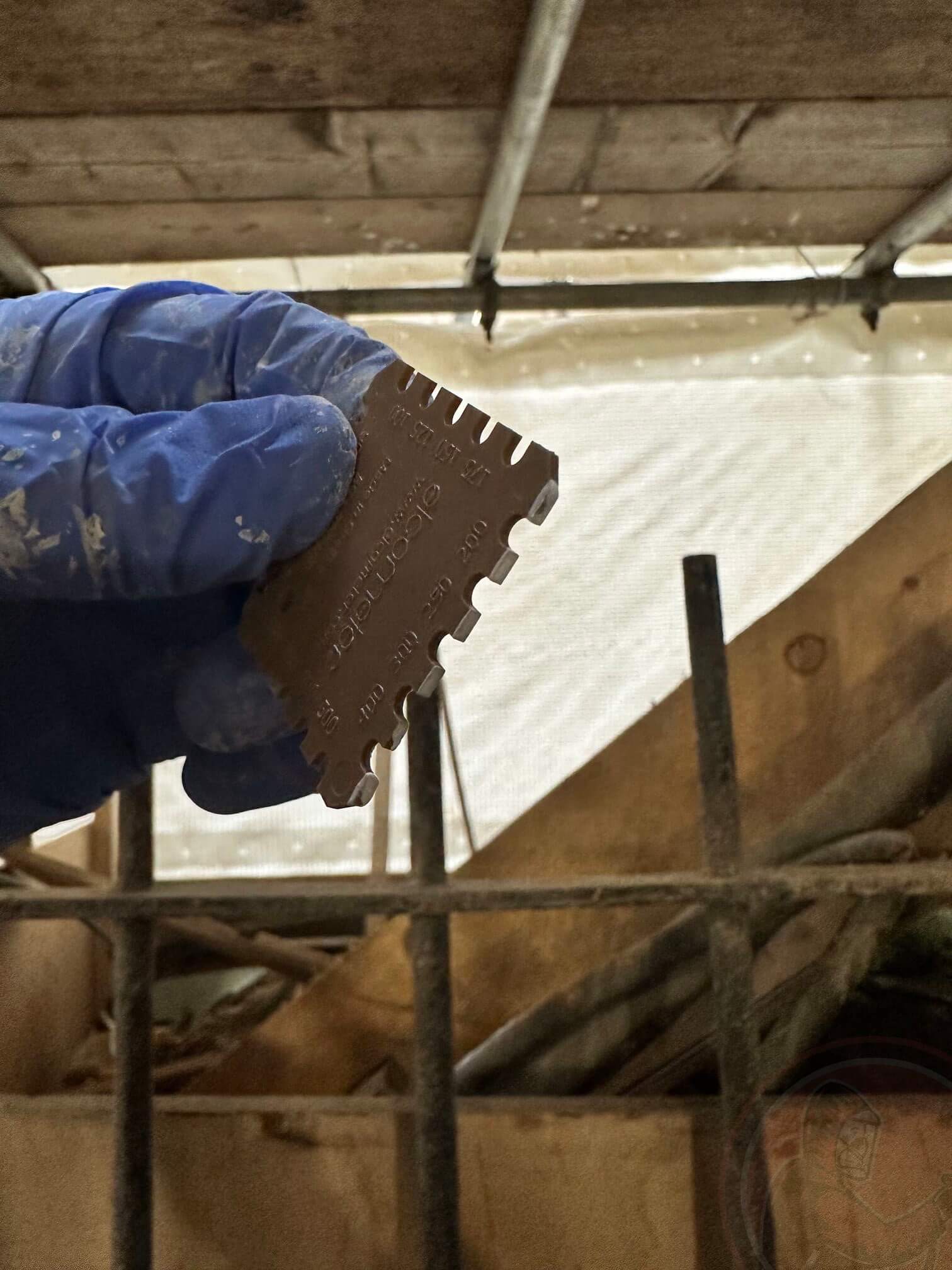
WFT is measured immediately after application using calibrated wet film gauges. Measurements are taken while the coating is still wet, allowing adjustments to be made in real time to ensure compliance before curing begins.

Readings are taken at multiple points across each steel member

Measurements are recorded and logged as part of the quality process

Results are checked against the specified WFT requirements

This approach ensures consistency across complex steel profiles and prevents compliance issues being discovered after curing.
influence

Factors That Influence Achieved WFT

Surface Condition and Preparation
Rust, mill scale, existing coatings and surface contamination directly affect adhesion and coating build. These must be removed through appropriate surface preparation to ensure the applied coating forms a continuous, stable film capable of achieving the required thickness.
Spray Application Consistency
Airless spray equipment allows intumescent coatings to be applied evenly across complex steel sections. Correct equipment setup, material control and spray technique are essential to achieving uniform WFT without excessive build or voids.
Environmental Conditions
Ambient temperature, substrate temperature, relative humidity and dew point all influence coating behaviour. Cold, damp or unsuitable conditions can slow drying, affect film formation and compromise thickness control. These conditions must be monitored and managed throughout application.
Manual Application Considerations
Where brush or roller application is required, greater skill and control are needed to maintain even thickness across all surfaces. Manual methods demand experienced operatives and close monitoring to avoid uneven build.

Verification and Compliance Records

Why WFT Logging Matters

Every WFT measurement is recorded and cross-referenced to the project specification. These records form a critical part of the fire-protection compliance pack.

WFT logs demonstrate application to tested specification

Building control and insurers require documented proof of compliance

Certification cannot be issued without complete and accurate records

WFT documentation provides clear, auditable evidence that the installed system matches the fire-rated design.

Specialist Application Ensures Fire Safety

WFT measurement and verification are non-negotiable in compliant fire protection. Accurate thickness control, environmental monitoring and structured records are what separate verified fire performance from unproven application. This level of control can only be delivered by trained, competent contractors operating within defined quality systems.
From the founder

“FireCoatings exists to raise the standard of how structural steel fire protection is delivered, through technical control, clear communication and professional site practice. That commitment underpins every project we take on.”

Myles Howson
Managing Director
Assurance

Compliance & Accountability at Every Stage

We prioritise wet film thickness control, environmental logging, product traceability and layer-by-layer inspection throughout application. Comprehensive documentation ensures building control approval, insurance acceptance and assured project sign-off.
Featured Projects

Steel Fire Protection Delivered

Representative projects demonstrating our methodology across sectors and steel types.
Testimonials
“Working with Foster & Reeves was a completely different experience from other contractors we’ve dealt with in the past. From day one, they took the time to understand our operational needs.”
Sarah Donovan
CEO, Harborview Development
Testimonials
“Working with Foster & Reeves was a completely different experience from other contractors we’ve dealt with in the past. From day one, they took the time to understand our operational needs.”
Sarah Donovan
CEO, Harborview Development