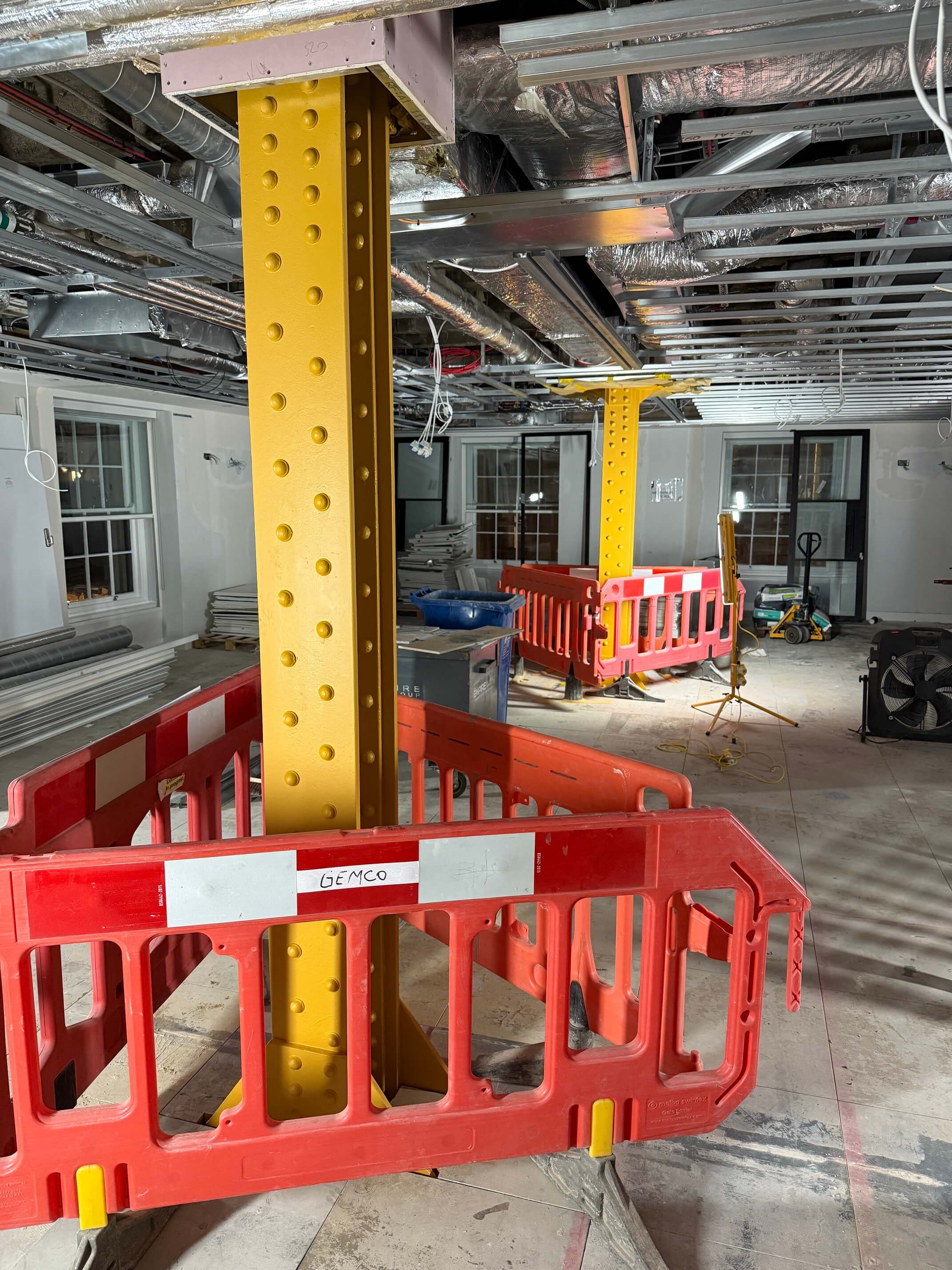
Surface Preparation for Fire Protection

The Foundation of Every Compliant Fire-Protection System

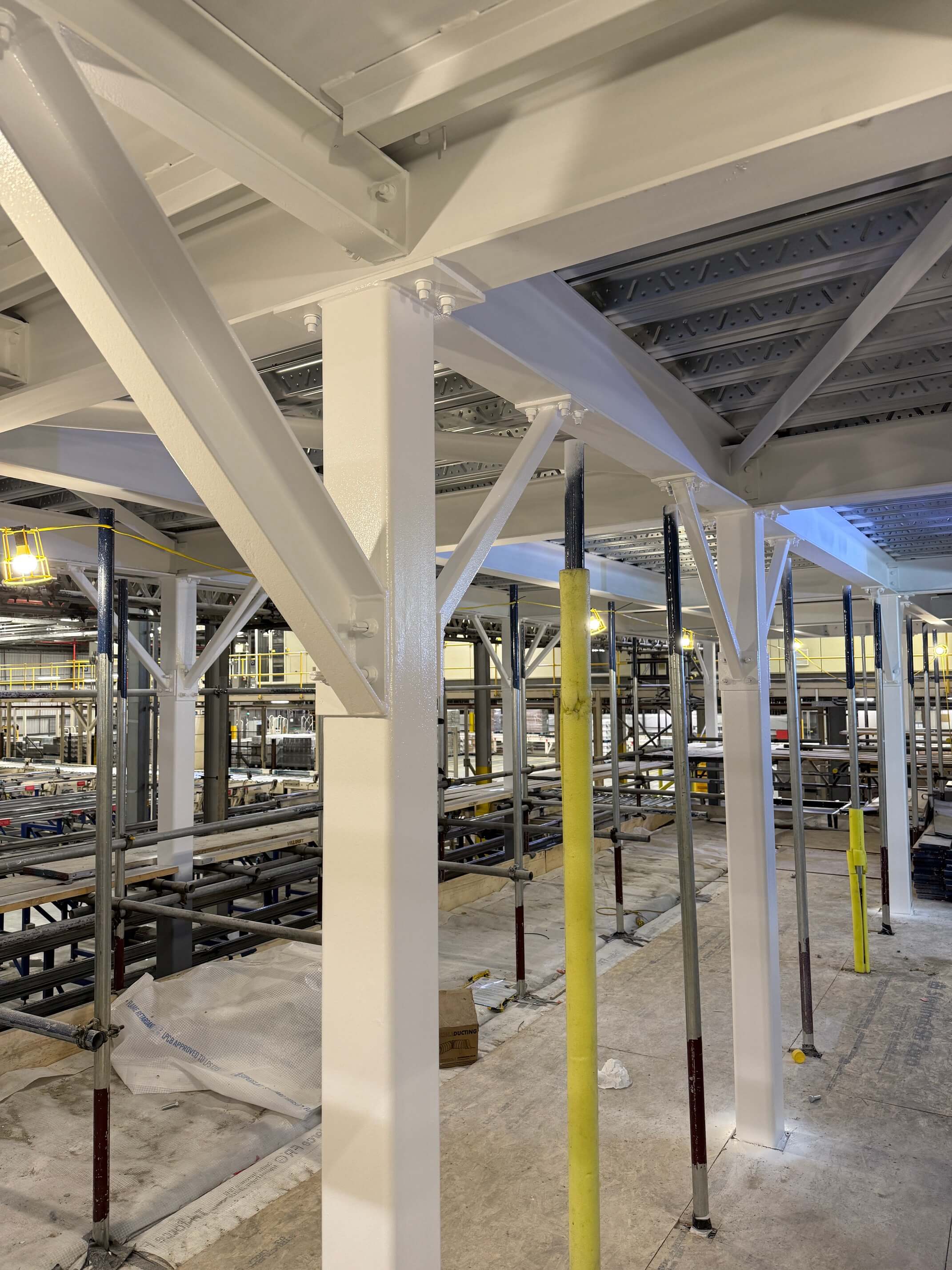
Surface preparation is the critical first stage in any intumescent fire-protection system. The condition of the substrate directly determines adhesion, coating build, durability and verified fire performance. Without correct preparation, even the highest-performing products will fail to meet their tested fire rating.
Substrate Condition Importance

Why Substrate Condition Determines System Performance

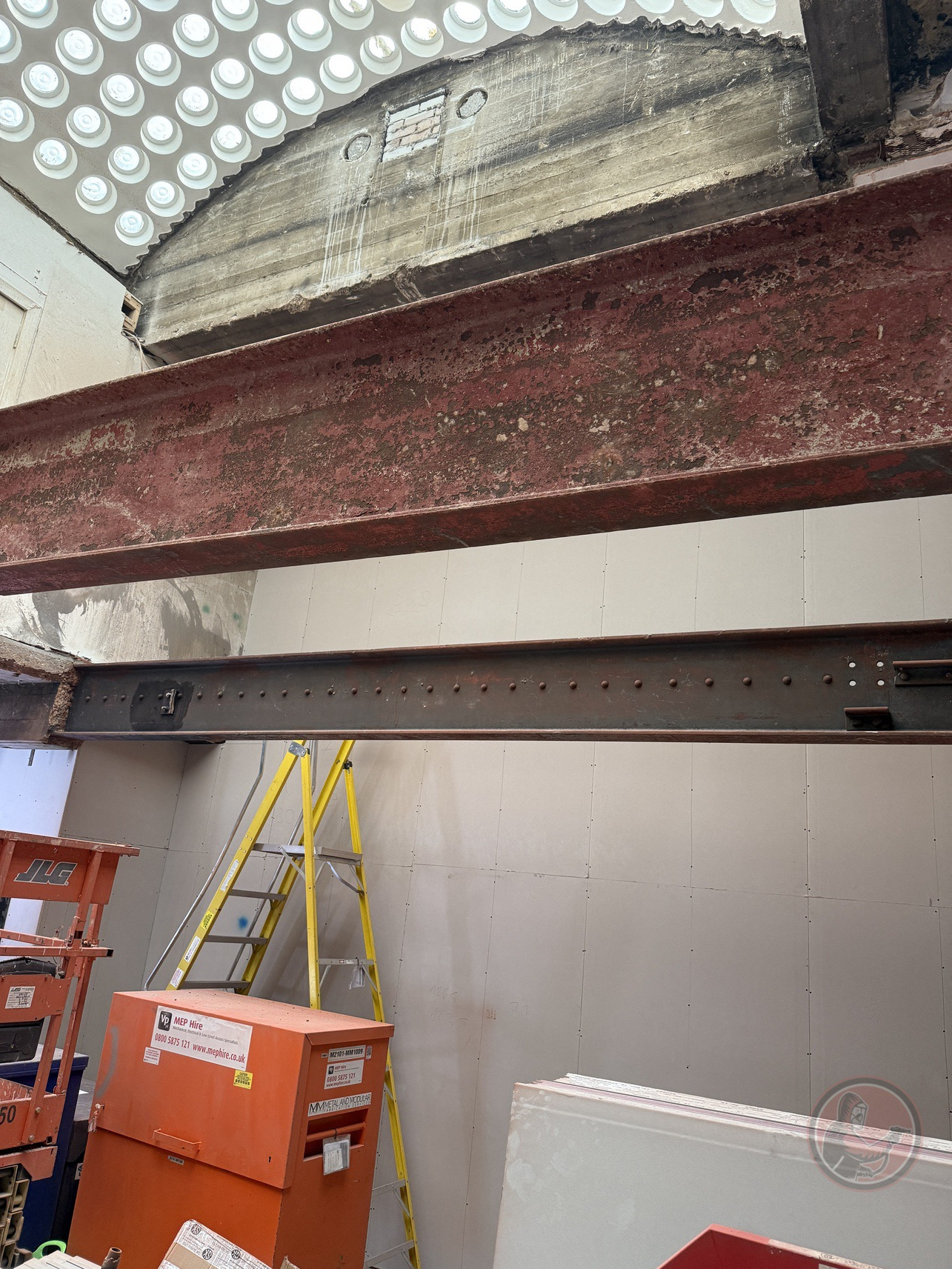
Structural steel must be clean, sound and properly prepared before any primer or intumescent coating is applied. Contamination, corrosion or weak underlying coatings prevent adhesion, compromise Wet Film Thickness accuracy and undermine fire-rating compliance. Correct preparation ensures the system performs exactly as tested and certified.
Correct Method

Selecting the Correct Preparation Method

The appropriate preparation method is determined by substrate condition, contamination type and project requirements.
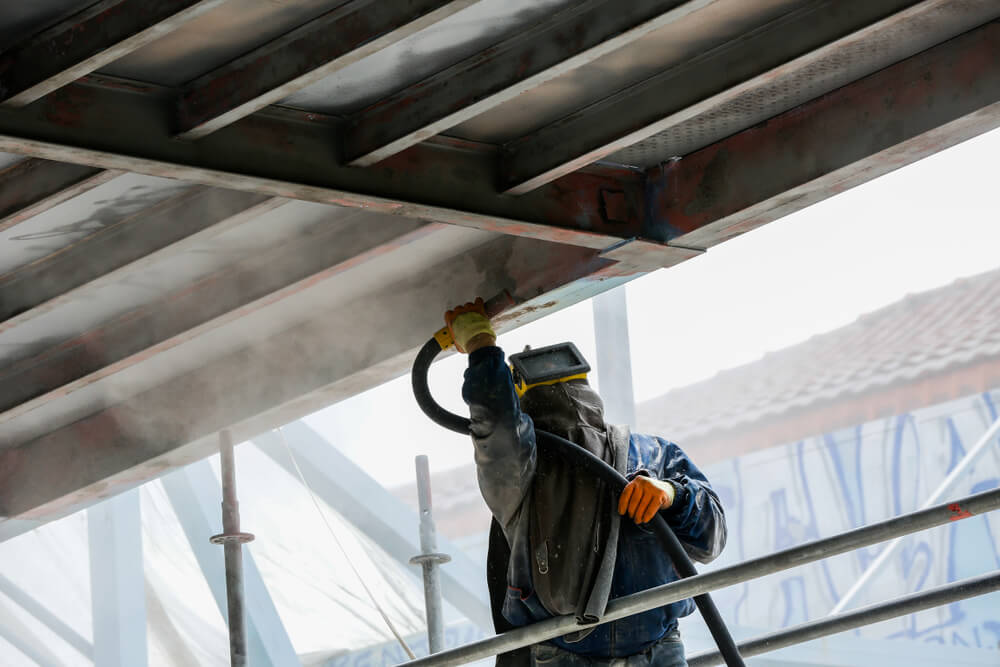
Use Dry Ice Blasting When
Existing coatings are failing or contaminated and the substrate must be preserved without abrasive damage.
Use Shot / Grit Blasting When
Heavy corrosion, mill scale or rust is present and a clean steel profile is required to meet specification.
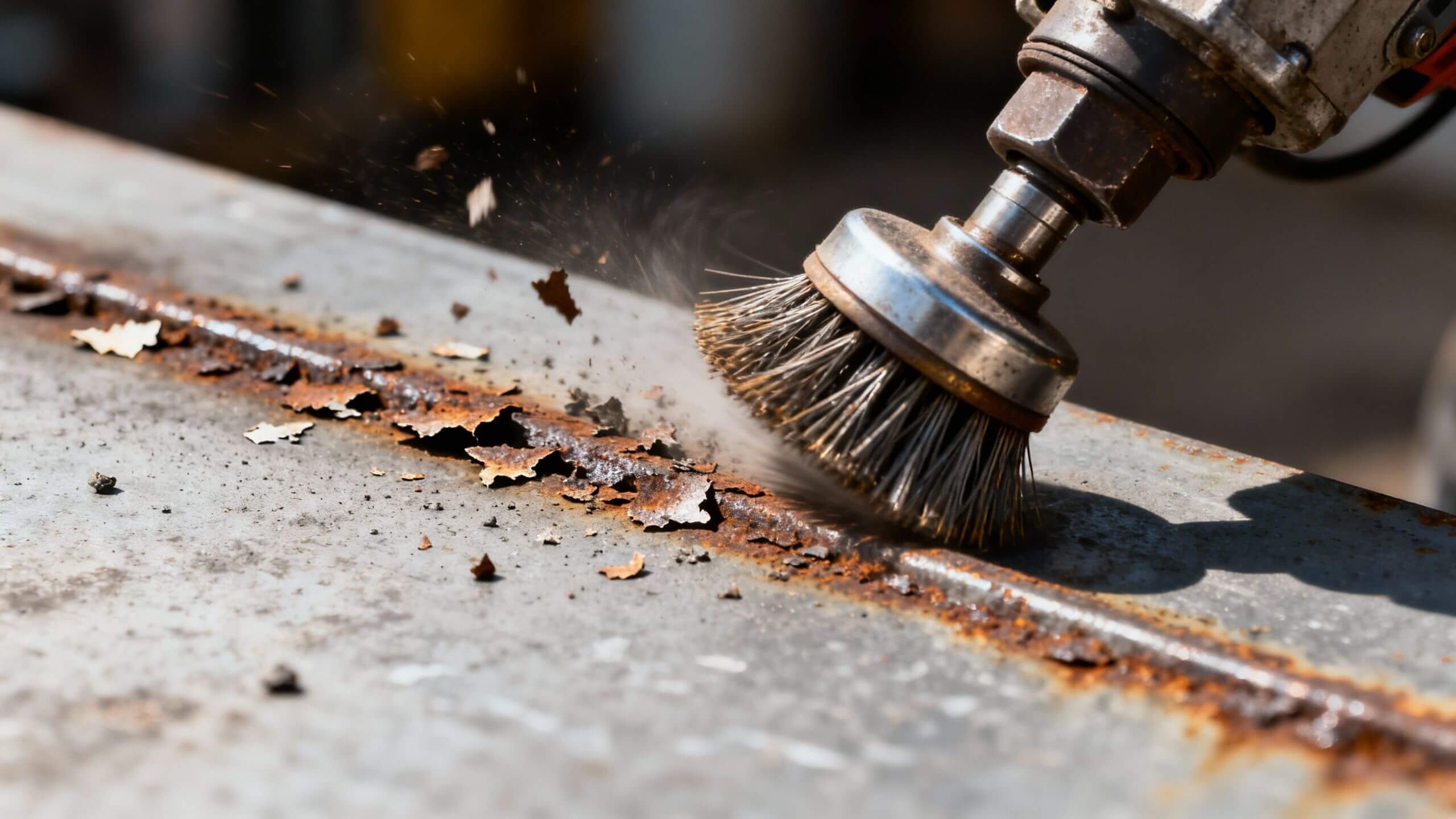
Use Mechanical Abrasion When
Sound coatings require roughening or preparation is limited to localised areas.
Use Cleaning & Degreasing When
Surfaces are fundamentally sound but require final removal of contaminants before coating application.
Compliance

Compliance & Environmental Controls

Surface preparation must align not only with cleanliness requirements, but also with environmental conditions and fire-rating system specifications.

Humidity Control

Moisture inhibits adhesion and traps contaminants. Preparation is carried out in controlled conditions, typically below 85% relative humidity.

Corrosion Management

Active corrosion must be fully removed. Any bare steel exposed during preparation is spot-primed immediately to prevent flash rust.

Mill Scale Removal

Mill scale is brittle and non-adherent and must be removed by abrasive blasting to SA 2.5 to achieve reliable coating adhesion.

Contamination Elimination

Oil, grease, dust and salts must be fully removed. Residual contamination compromises adhesion and can cause system failure under fire exposure.

Surface Preparation Methods

Different substrate conditions require different preparation techniques. We assess corrosion levels, existing coatings and site constraints to specify the most appropriate method for compliance and long-term performance.
Featured Projects

Steel Fire Protection Delivered

Representative projects demonstrating our methodology across sectors and steel types.
From the founder

“FireCoatings exists to raise the standard of how structural steel fire protection is delivered, through technical control, clear communication and professional site practice. That commitment underpins every project we take on.”

Myles Howson
Managing Director
Testimonials
“Working with Foster & Reeves was a completely different experience from other contractors we’ve dealt with in the past. From day one, they took the time to understand our operational needs.”
Sarah Donovan
CEO, Harborview Development
Testimonials
“Working with Foster & Reeves was a completely different experience from other contractors we’ve dealt with in the past. From day one, they took the time to understand our operational needs.”
Sarah Donovan
CEO, Harborview Development