Abrasive Blast-Cleaning to Sa 2½

Abrasive blast-cleaning removes specified rust, mill scale, coatings and contamination while creating a surface profile. Sa 2½ is used where required by the accepted specification and selected coating system, with the completed surface assessed before primer or coating application.
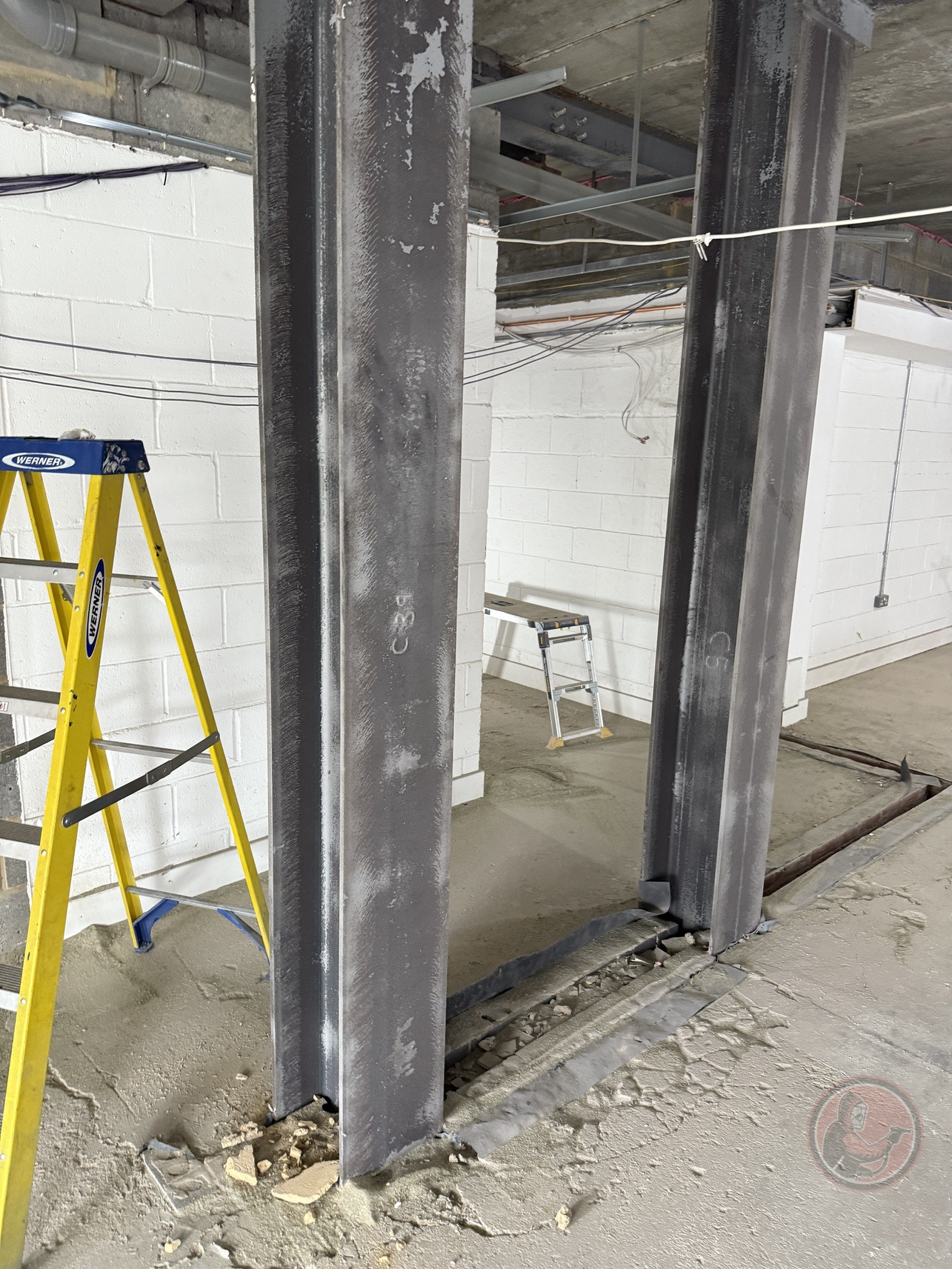
Two large vertical steel columns installed on a concrete floor with a yellow Werner ladder nearby in a construction site.
Understanding Sa 2½

What the Sa 2½ Preparation Grade Means

ISO 8501-1 defines Sa 2½ as a visual preparation grade for very thorough blast-cleaning. Assessment uses the standard’s written description and representative photographs. Surface profile and invisible contaminants such as soluble salts require separate acceptance criteria where relevant.
When Sa 2½ May Be Required

When Abrasive Blast-Cleaning Is Specified

The required blast-cleanliness grade is established from the steel condition, accepted specification, required surface profile and selected primer or coating system.
Rust and Corrosion Products
Abrasive blasting can remove accessible rust and corrosion products. Any significant pitting or section loss is recorded and raised because blast-cleaning does not restore lost steel.
Loose or Incompatible Coatings
Loose, delaminated or incompatible coatings are removed to the extent required by the accepted specification. Complete removal to bare steel is used where the selected system requires it.
Pitting and Section Loss
Blast-cleaning can clean accessible pitted areas but cannot correct section loss. Significant deterioration should be referred to the relevant structural or project professional.
Mill Scale
Mill scale is removed to the preparation grade required by the accepted specification and selected coating system.
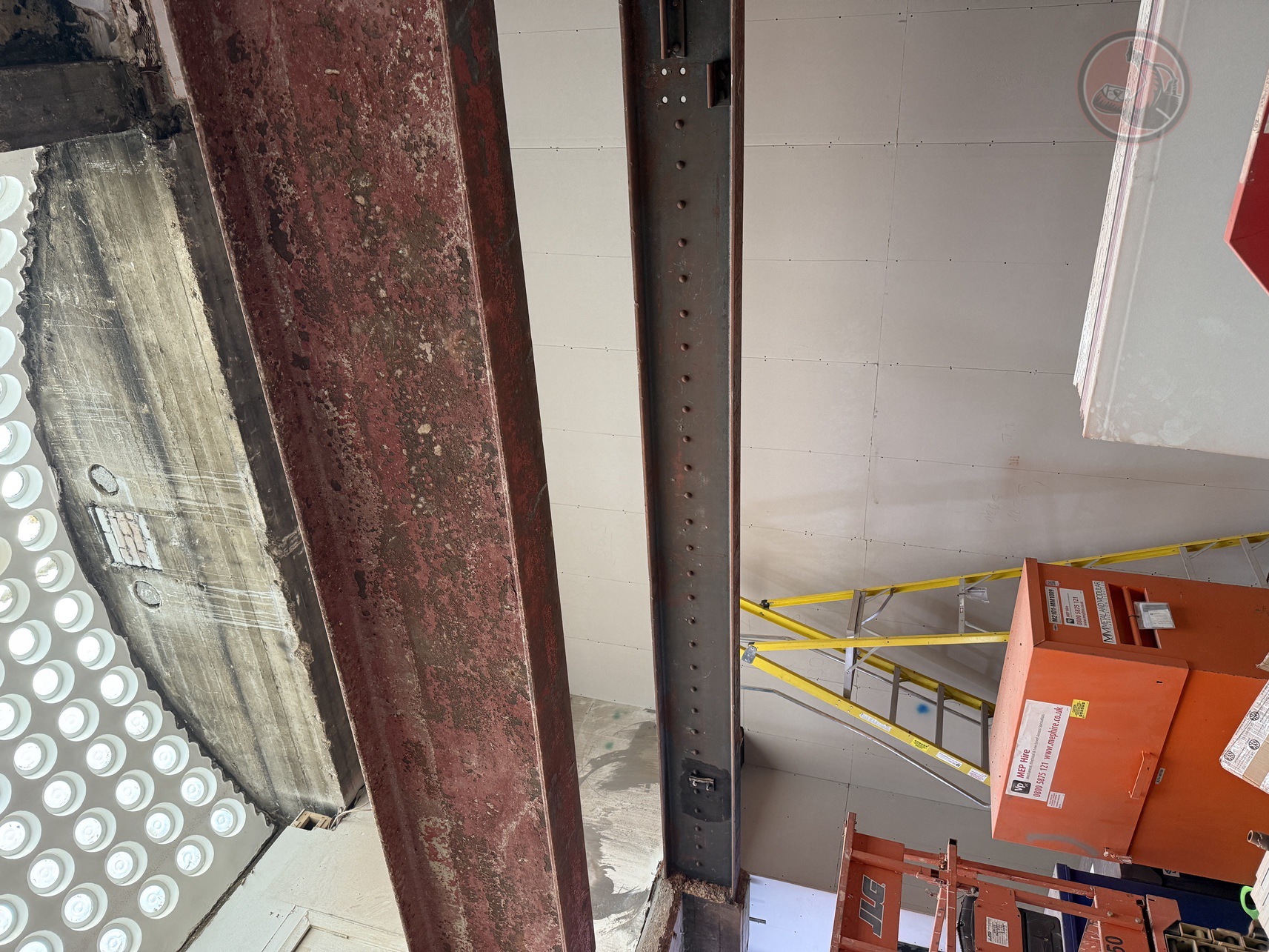
Close-up of rusty, reddish-brown and orange oxidized steel surface with signs of corrosion and a silver weld line.
Surface Profile

Cleanliness and Profile Are Separate Requirements

Abrasive blasting can create the surface profile required by a compatible primer or coating system. The specified profile depends on the product documentation and is assessed separately from the visual blast-cleanliness grade.
Equipment and Abrasive Media

Equipment Selected for the Required Finish

Blasting equipment, nozzle arrangement, pressure and abrasive media are selected around the required preparation grade, surface profile, access, containment and site conditions.
Request a Bid
01
Compressed-Air Supply
The compressed-air supply and blasting equipment are set up to support the planned cleaning rate while the required safety and containment controls remain effective.
02
Abrasive Media Selection
The abrasive is selected for the steel condition, required profile, recovery method and project restrictions. The exact media is confirmed for the individual work scope rather than assumed from the website.
Visual Assessment Before Coating Application
Prepared surfaces are visually assessed against the specified ISO 8501-1 preparation grade before coating. Dust, soluble-salt, profile or other checks are completed where required by the accepted specification, with results recorded for project-team review.
White steel support columns installed in an unfinished basement or industrial space with concrete floor and block walls.
Hand in blue glove holding a brown gauge tool against a white textured surface in a construction setting.
Effect on Coating Application

Clean Preparation Supports Controlled Application

A surface prepared to the specified cleanliness and profile supports subsequent primer and coating application. WFT readings, drying conditions and final DFT inspection remain separate controls within the application process.
  • Removes specified surface contamination and weak material

  • Creates a defined profile where required

  • Provides a documented starting point for subsequent coating work
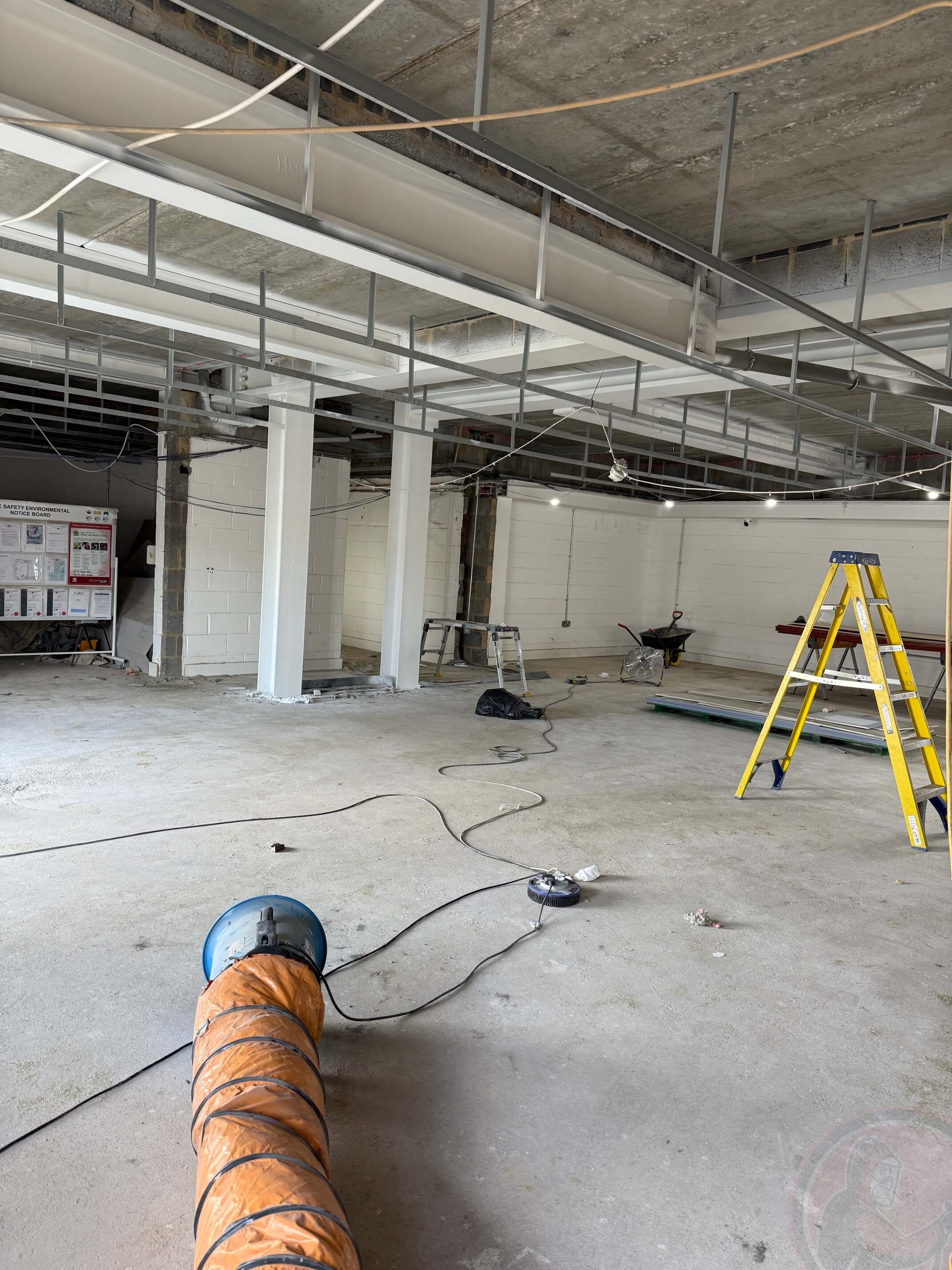
Empty indoor construction site with concrete floor, white pillars, yellow ladder, ventilation duct, and construction tools scattered around.
Containment & Site Control

Managing Dust, Abrasive and Debris

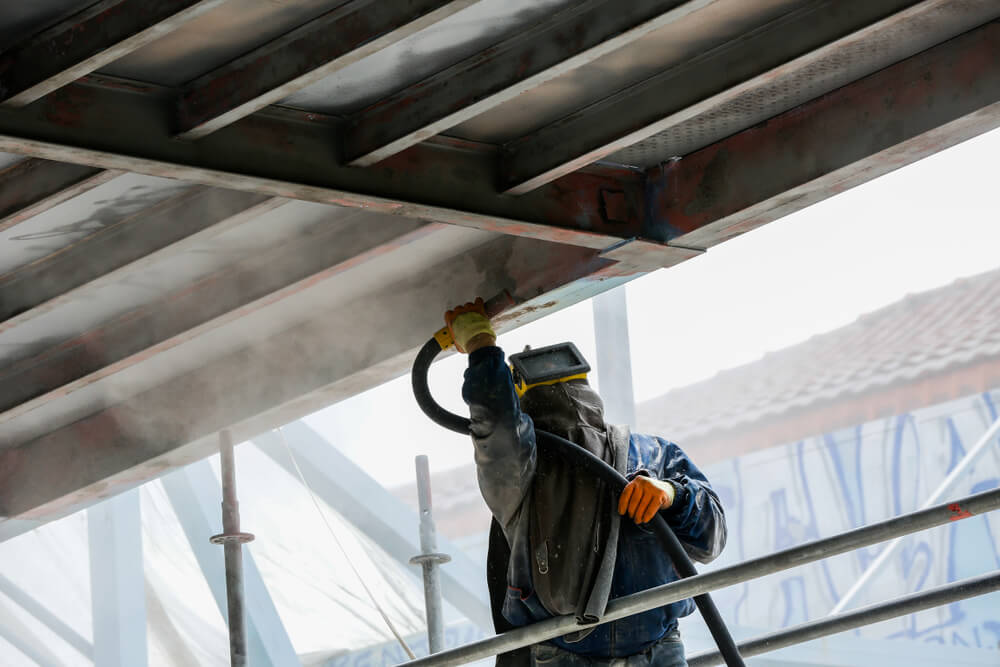
Abrasive blasting can generate dust, noise, spent abrasive and coating debris. Exclusion zones, screens, enclosures, vacuum equipment, ventilation and respiratory controls are selected through the project RAMS and COSHH assessment.
Benefits and Practical Considerations

Advantages and Practical Considerations

Advantages

Abrasive blast-cleaning can efficiently remove extensive corrosion, mill scale and coatings while producing a specified surface profile across accessible areas.

Limitations

Planning must account for access, containment, dust, noise, weather, spent abrasive, hazardous coating debris, waste disposal and possible disruption to adjacent work areas.

When Sa 2½ Is Specified
Sa 2½ should be used where it is required by the accepted specification, primer or coating documentation. Warranty, certification and formal approval depend on the complete system, evidence and project route—not the blast grade alone.
Close-up of a rusty metal surface with peeling paint and corrosion under a concrete structure.
From the Founder

“After a decade in the protective coatings industry, I built FireCoatings to deliver fire protection without unnecessary noise — just clear documentation, a controlled application process, and professional site practice.”

Myles Howson
Managing Director
Client Feedback
"Thank you Myles and team for all your hard work on this one. It wasn't easy working around the schedule but you got it done without causing any further issues. It was a pleasure to work with you."
Chris
Project Manager, Millcroft Services
Interior of a construction site with white-painted steel beams and yellow support poles.
Client Feedback
"NuColour worked efficiently around our programme and delivered on time at late notice. The team were organised, flexible, and professional throughout the works."
Ciprian
Site Manager, Principal Contractor – GEMCO
Close-up of a bright yellow structural steel column with rivets installed on a construction site indoors.