January 6, 2026

Do You Actually Need Intumescent Coatings on Your Steelwork?

So, you're building something, and someone's mentioned intumescent coatings for the steelwork. It sounds important, maybe even a bit fancy, but do you actually need them? It's a fair question. Fire protection is serious business, and understanding what you need, and why, can save a lot of hassle and money down the line. Let's break down what these coatings do and if they're the right fit for your project.

Key Takeaways

  • Intumescent coatings work by swelling up when exposed to heat, creating a thick, insulating char layer that protects the steel from reaching critical temperatures and weakening.
  • The need for intumescent coatings depends on your project's specific fire resistance requirements, which are influenced by building codes, structural load, and how the building will be used.
  • Compared to alternatives like cementitious coatings, intumescent options often offer a smoother, more aesthetically pleasing finish and can be easier and quicker to apply, especially off-site.
  • Applying intumescent coatings correctly is vital; it requires a compatible system (primer, intumescent, topcoat), proper steel surface preparation, and accurate measurement of film thickness.
  • Choosing the right intumescent formulation (water-borne, solvent-borne, or multi-component) depends on factors like the environment the steel will be in and the level of protection needed.

Understanding Intumescent Coatings: How Do They Work?

The Science Behind Swelling: Intumescence Explained

Ever wondered what happens when a fire starts and those special coatings on steel beams seem to puff up like a marshmallow? That's intumescence in action. It's a fancy word for a material that swells when it gets hot. Think of it like a controlled, chemical reaction that makes the coating expand dramatically, often many times its original thickness. This expansion is key to how it protects the steel underneath.

Creating an Insulating Char Layer

When intumescent coatings heat up, they don't just get bigger; they transform. The swelling process creates a thick, spongy layer of carbonised material, often called a 'char'. This char is like a built-in blanket. It's full of tiny bubbles and has a very low density, which makes it a really poor conductor of heat. So, instead of the heat from a fire quickly reaching the steel and weakening it, this char layer acts as a barrier, slowing down the heat transfer significantly.

Protecting Steel From Critical Temperatures

Steel is strong stuff, but high temperatures are its enemy. Even though steel doesn't melt until it gets incredibly hot (around 1500°C), it starts to lose its load-bearing strength much sooner, typically around 500-600°C. This is known as its critical temperature. If steel reaches this point, the structure it's supporting could be in serious trouble, potentially leading to collapse. The insulating char layer created by intumescent coatings buys precious time by keeping the steel below this critical temperature for a specified period, allowing people to evacuate safely and giving firefighters a better chance to tackle the blaze.

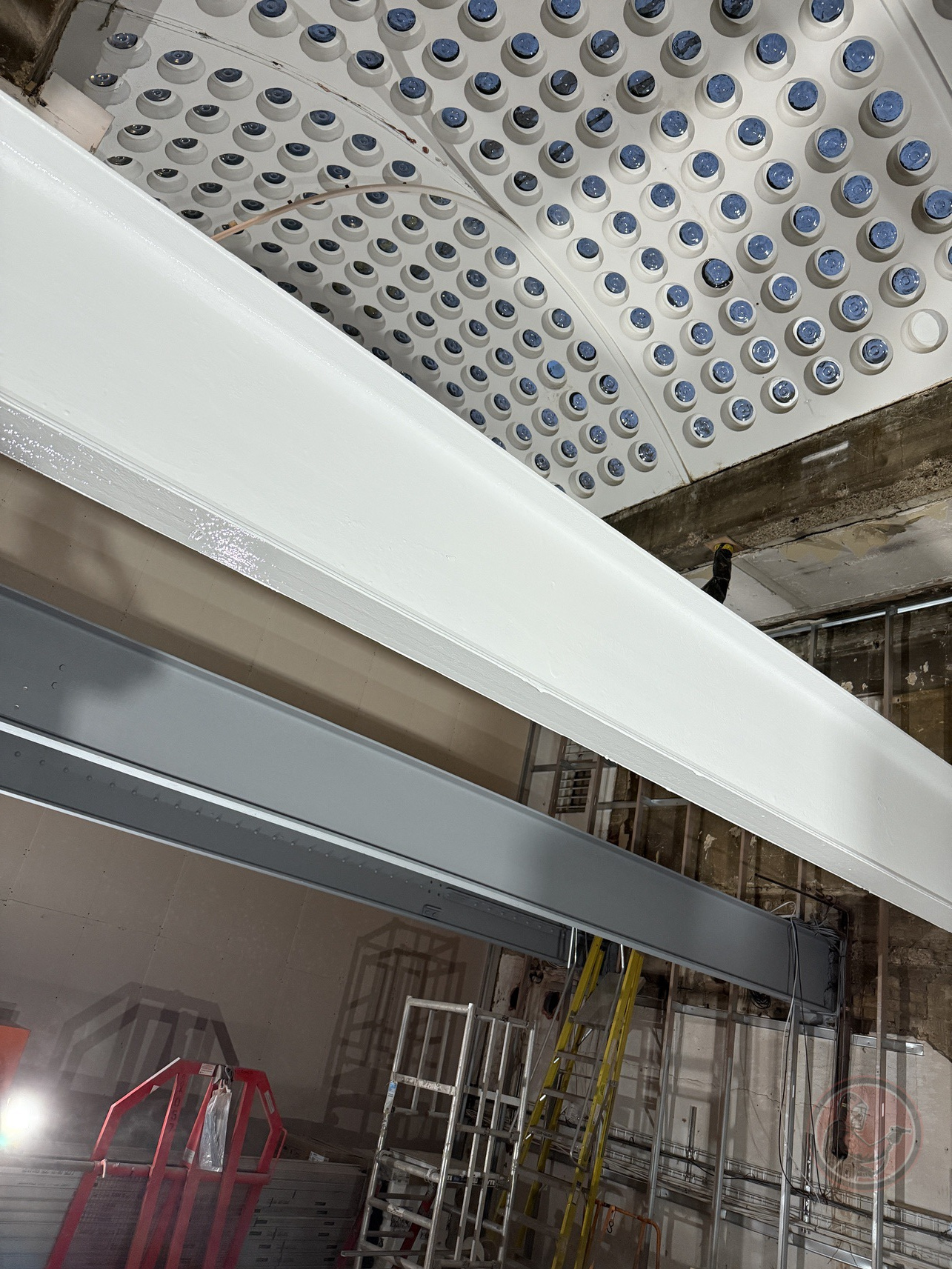
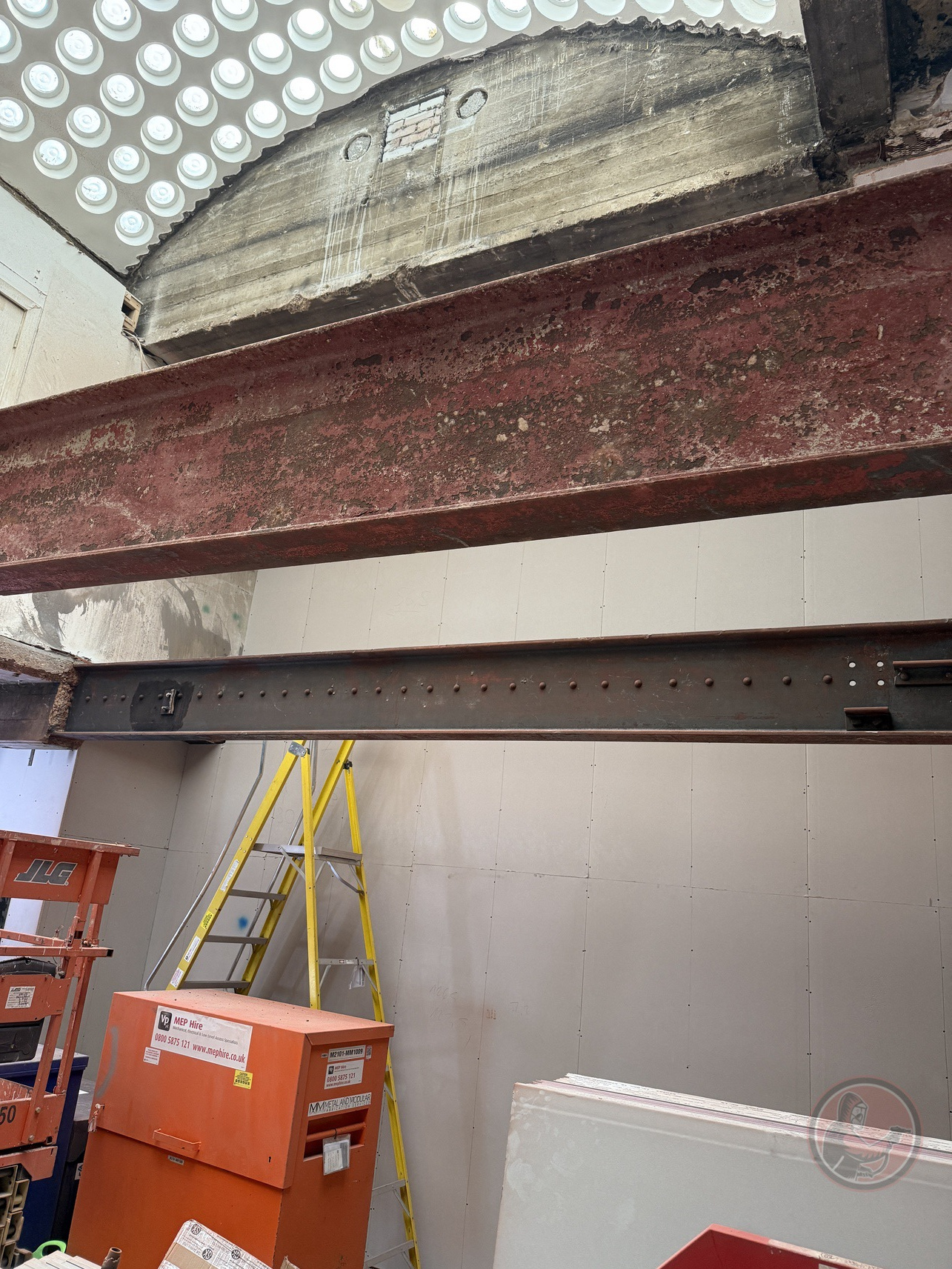
Steel beams, one coated with intumescent paint, the other bare.

Assessing Your Project's Fire Protection Needs

Meeting Structural Strength Standards

When you're building something, especially a commercial or public space, there are rules you have to follow to make sure it's safe. One of the big ones is fire safety. Steel is strong, but it gets weak when it's really hot. Fire protection systems, like intumescent coatings, are there to stop the steel from getting too hot for too long. This gives people time to get out and helps stop the building from collapsing. Different buildings have different rules about how long the steel needs to stay strong in a fire. It's not a one-size-fits-all thing; it depends on what the building is for and how many people might be inside.

Determining Required Fire Resistance Levels

The time a building needs to withstand a fire is usually set by building regulations. This isn't just a random number; it's worked out based on things like how big the building is, what it's used for, and how long it might take for everyone to get out safely. For most places, you're looking at something between 15 and 120 minutes of protection. But for some really important or large structures, it could be even longer, maybe up to 4 hours. The longer the protection needed, the thicker the coating has to be. It's all about making sure the steel doesn't reach its critical temperature, the point where it starts to lose its strength.

Here's a general idea of how fire resistance levels might be specified:

  • 15-30 minutes: Often suitable for smaller buildings or specific structural elements where rapid evacuation is possible.
  • 60 minutes: A common requirement for many commercial buildings, providing a good balance for evacuation and initial firefighting.
  • 90-120 minutes: Typically required for larger, more complex buildings, or those with higher occupancy, like hospitals or schools.
  • 180+ minutes: Used for high-risk structures, critical infrastructure, or where very long evacuation times are anticipated.

Considering Building Occupancy And Use

So, what you're building and who's going to be in it really matters when you're figuring out fire protection. A quiet office block is different from a busy shopping centre or a hospital. The more people there are, and the longer they might take to get out, the more fire resistance you'll need. Think about it: if a fire starts in a theatre during a show, you need that steel to hold up for a good while so everyone can leave safely. Building codes take all this into account. They look at the purpose of the building and how many people are expected to be there at any one time to set the minimum fire resistance period. It's a pretty serious calculation to get right.

The fire resistance rating isn't just about the steel itself; it's a key part of the overall safety strategy for any building. It directly impacts evacuation times and the effectiveness of emergency services' response.

The Advantages Of Intumescent Coatings For Steelwork

So, why are intumescent coatings so popular for protecting steel structures? Well, there are quite a few reasons, and they really do make a difference in how a building looks and how it's put together.

Aesthetic Appeal And Design Flexibility

One of the biggest plus points is how they look. Unlike some older fireproofing methods that leave a thick, lumpy finish, intumescent coatings dry to a smooth, paint-like surface. This means you can actually leave the steelwork exposed and make it a feature of the building's design. Think of modern offices, shopping centres, or even airports where exposed beams are part of the architectural style. Intumescents allow for this open-plan look without compromising safety. They're not just functional; they can be quite attractive too, fitting in with contemporary architectural trends.

Ease Of Application And Cost-Effectiveness

Applying intumescent coatings is generally pretty straightforward. They're applied in relatively thin layers, which speeds up the process compared to some other methods. This quicker application often translates into lower labour costs. Plus, because they're applied like paint, they can often be done off-site in a controlled factory environment. This shop application can lead to better quality control, less disruption on the actual building site, and can even shorten the overall construction timeline. It’s a win-win for builders and clients looking to keep things on schedule and within budget.

Durability And Resistance To Damage

Once applied correctly as part of a system (which includes a primer and often a topcoat), intumescent coatings offer good protection. They are designed to be reasonably tough and can handle the usual knocks and bumps that happen during construction and the building's life. They're also flexible enough to cope with the natural movement of a building, like expansion and contraction due to temperature changes or slight vibrations. This resilience means the fire protection stays intact for longer.

Here's a quick look at how they stack up:

  • Smooth Finish: Allows exposed steel to be a design element.
  • Thin Application: Faster drying and less material build-up.
  • Shop Application: Improved quality control and reduced site disruption.
  • Flexibility: Accommodates building movement.

It's important to remember that intumescent coatings are part of a larger system. The primer underneath is key for adhesion and corrosion protection, and a topcoat can add extra defence against the elements and improve the final look. Getting all these layers right is what truly makes the system work effectively over time.

Comparing Intumescent Coatings With Alternative Solutions

So, you've heard about intumescent coatings, but how do they stack up against other ways to protect your steelwork from fire? It's not a one-size-fits-all situation, and understanding the alternatives can really help you make the right choice for your project.

Intumescent Versus Cementitious Coatings

This is probably the most common comparison. Cementitious coatings are often seen as the older, more traditional route. They're typically a cement-based material, applied quite thickly. Think of it like plastering a thick layer of concrete onto your steel. This dense layer acts as a barrier, slowing down how quickly heat reaches the steel. It's effective, but it can be a bit rough in appearance, almost like a rough concrete finish.

Intumescent coatings, on the other hand, are much thinner when applied. They look more like paint. The magic happens when they get hot – they swell up and create a foamy, insulating char layer. This char layer protects the steel from reaching its critical temperature. Because they look more like paint, intumescent coatings are often preferred when the steelwork will be visible, like in modern buildings, airports, or shopping centres where aesthetics matter. Cementitious coatings, while robust, don't usually offer that smooth, decorative finish.

Here's a quick rundown:

  • Appearance: Intumescent is smooth and paint-like; cementitious is rough and concrete-like.
  • Application Thickness: Intumescent is thin; cementitious is thick.
  • Fire Reaction: Intumescent swells and chars; cementitious provides a dense barrier.
  • Aesthetics: Intumescent is generally better for exposed steel.

Evaluating Long-Term Performance

When we talk about long-term performance, we're looking at how well these coatings hold up over the years, not just during a fire. Both types need to be applied correctly to do their job, but they have different vulnerabilities.

Cementitious coatings can sometimes be prone to cracking, dusting, or flaking over time. This is especially a concern in environments where cleanliness is paramount, like in pharmaceutical labs or food processing plants. If bits start to break off, it can contaminate the area. They can also be more susceptible to damage during transport if applied off-site.

Intumescent coatings, when properly sealed with a compatible topcoat, are generally more durable and less likely to degrade in a way that creates dust or flakes. They don't typically suffer from the same cracking issues. However, their performance in very harsh or exposed environments (like constant rain or extreme temperatures) relies heavily on the correct topcoat being applied to protect the intumescent layer itself from weathering and corrosion.

The integrity of any fire protection system, whether intumescent or cementitious, is only as good as its weakest link. This means paying close attention to surface preparation, the compatibility of all layers in the system (primer, the main coating, and any topcoat), and the correct application thickness. Skipping steps or using incompatible materials can significantly compromise the system's ability to perform when needed most.

Considering Environmental Factors

Environmental conditions play a big role in choosing the right coating. Think about where the steelwork is located and what it will be exposed to.

  • Internal, Dry Conditions: Both intumescent and cementitious coatings can work well here. Intumescent coatings are often favoured for their appearance.
  • Internal, Humid Conditions: Some intumescent coatings might struggle with high humidity unless they have a specific, robust topcoat. Cementitious coatings can sometimes be more forgiving in these scenarios, though they can still be affected by moisture.
  • Semi-Exposed or Exposed Conditions: This is where intumescent coatings need careful consideration. Standard water-based intumescents are generally not suitable for external use or areas with high moisture. However, solvent-based or multi-component intumescent systems, when paired with appropriate primers and topcoats, can offer good protection against weathering and corrosion. Cementitious coatings are less commonly used in exposed external applications due to their weight and potential for damage.

Ultimately, the choice often comes down to a balance of fire performance requirements, aesthetic needs, application practicalities, and the specific environmental challenges your project faces.

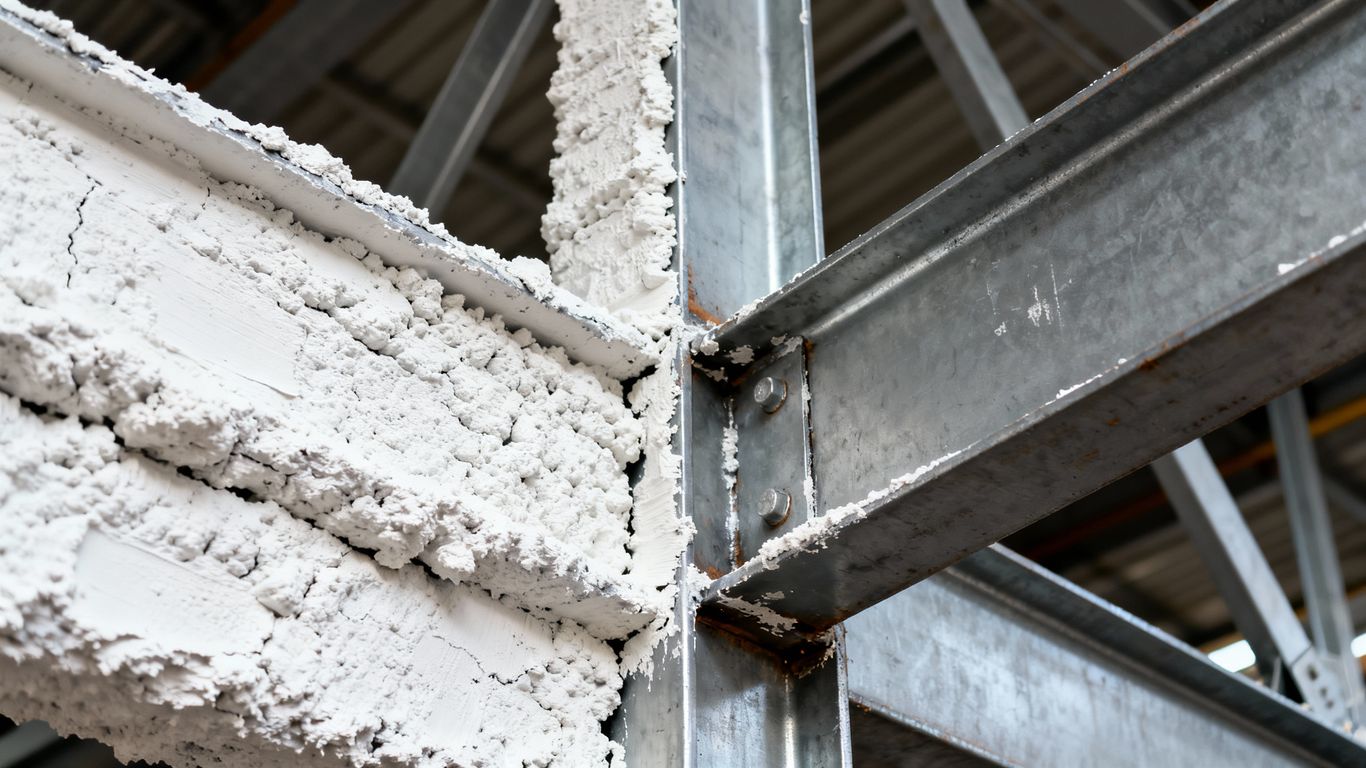
Steel beams coated with intumescent fire protection material.

Ensuring Proper Application And System Integrity

So, you've decided intumescent coatings are the way to go for your steelwork. That's great, but here's the thing: the coating itself is only part of the story. Getting it right means paying attention to how it's applied and making sure all the bits work together. It's a bit like baking a cake; you can have the best ingredients, but if you mess up the steps, it's not going to turn out well.

The Importance Of A Compatible System (Primer, Intumescent, Topcoat)

Think of intumescent coatings as part of a team. They don't usually work alone. You've got your primer, the intumescent layer itself, and sometimes a topcoat. Each has a job to do. The primer is there to stop rust and make sure the intumescent coating sticks properly to the steel. Without a good primer, the whole system could fail before it even gets a chance to do its fire protection job. Then comes the intumescent coating, which does the swelling act when it gets hot. Finally, a topcoat might be needed. This isn't just for looks; it can protect the intumescent layer from things like moisture or damage, especially if the steel is going to be outside or in a damp environment. Using incompatible products can lead to delamination, poor adhesion, and a system that won't perform as expected in a fire. It's really important that the primer, intumescent, and topcoat have been tested together and are known to work well as a unit. Always check the manufacturer's recommendations.

Surface Preparation Standards For Steelwork

Before you even think about slapping on any paint, the steel needs to be properly prepped. This is non-negotiable. If the steel is rusty, greasy, or covered in dirt, the coating won't stick. We're talking about getting it clean, like, really clean. Standards like SA 2.5 (often referred to as 'near white metal' blast cleaning) are common. This means blasting the steel to remove all mill scale, rust, and old coatings, leaving a clean, bright surface with a suitable profile for the primer to grip onto. It’s a bit of a messy job, but it’s absolutely vital for the long-term performance of the fire protection system.

Measuring Wet And Dry Film Thickness

This is where you check if the right amount of coating has been applied. You can't just eyeball it. You need to measure the wet film thickness (WFT) while the paint is still wet, usually with a special gauge. This gives you an idea of how much you're putting on. Then, after the coating has dried, you measure the dry film thickness (DFT). This is the actual thickness of the coating layer. The DFT is what matters for fire performance. You need to know the ratio between wet and dry thickness for each specific product, as it varies. For example, a WFT of 100 microns might dry down to 70 microns, depending on the product's solids content. Applying too little means you won't get the required fire rating, and applying too much can sometimes cause issues too, like cracking or prolonged drying times. It’s all about hitting that sweet spot specified by the manufacturer.

Here's a quick look at why these measurements are important:

  • Primer Adhesion: A correctly applied primer ensures the intumescent coating bonds effectively.
  • Fire Rating: DFT directly correlates to the coating's ability to insulate steel for the specified duration.
  • Durability: Correct thickness helps protect against environmental wear and tear.
  • Cost Control: Applying the correct amount prevents unnecessary material waste.

It's easy to think that more is always better, but when it comes to intumescent coatings, precision is key. Too thin and it won't do its job in a fire. Too thick, and you might run into application problems or even affect the coating's performance. Following the manufacturer's guidelines for both wet and dry film thickness is not just a recommendation; it's a requirement for the system to be certified and perform as intended.

Choosing The Right Intumescent Coating Formulation

So, you've decided intumescent coatings are the way to go for your steelwork. Brilliant. But now comes the slightly more technical bit: picking the actual formulation. It's not a one-size-fits-all situation, and the environment your steel will live in, plus how you want it to look, plays a big part.

Water-Borne Versus Solvent-Borne Options

This is a pretty common split you'll see. Water-borne coatings are generally good for interiors. They tend to offer decent insulation for the thickness applied. The main drawback? They're not a fan of water, so if your steel is going to be anywhere damp or outside, these probably aren't your best bet. They're sensitive to moisture, which can mess with their performance.

Solvent-borne options, on the other hand, are usually a bit tougher. They can handle more demanding environments, like those with C4 corrosion risk, which is basically a step up in how harsh the atmosphere is. They often dry quicker and can give a really nice finish, which is a bonus if aesthetics matter.

Multi-Component Systems For Demanding Environments

If you're dealing with really aggressive conditions – think C5 corrosion risk, which is pretty industrial – you might need to look at multi-component systems. These are often epoxy-based or similar technologies. They're built for the tough stuff and can offer great corrosion protection. However, they can be a bit more fiddly to apply. You might need special equipment and people who know what they're doing. They also tend to need thicker coats.

Selecting Topcoats For Protection And Aesthetics

Sometimes, the intumescent coating itself is enough, especially for a simple interior job. But often, you'll want or need a topcoat. This isn't just for making it look pretty, though that's a big part of it. A topcoat can add an extra layer of protection against the weather, damp, or general wear and tear. It seals the intumescent layer, stopping it from degrading too quickly. The type of topcoat you choose really depends on where the steel is and what it's up against. For really corrosive places, you'll need a more robust primer and topcoat system. It's all about making sure the whole system works together to protect the steel, both from fire and from the environment.

So, Do You Actually Need It?

Right then, after all that, the big question is whether you really need intumescent coatings on your steelwork. Honestly, it's not a simple yes or no. For exposed steel where looks matter, they're a pretty good shout, offering decent protection without making things look like a concrete mess. They're also easier to put on, especially if you can get them done off-site. But if your steel is hidden away and you're just after basic fire protection, there might be other, perhaps cheaper, options out there. It really boils down to what your building needs, where the steel is, and what your budget looks like. Always best to chat with a specialist to make sure you're not overspending or, worse, under-protecting.

Frequently Asked Questions

How do intumescent coatings actually work to protect steel?

Imagine steel beams in a building. When a fire starts, the steel gets really hot and can lose its strength, potentially causing the building to collapse. Intumescent coatings are like a special paint that sits on the steel. When the heat hits it, the coating puffs up, like a marshmallow in a campfire, and turns into a thick, spongy layer of char. This char acts like a blanket, insulating the steel and stopping it from getting too hot too quickly. This gives people more time to get out safely and makes it easier for firefighters.

Why do we need to know the fire resistance level for a project?

Different buildings have different rules about how long they need to resist fire. For example, a busy place like a shopping centre might need to stay standing for longer in a fire than a small office. The fire resistance level tells us how long the steel needs to be protected by the coating. This is usually measured in minutes, like 30, 60, or 90 minutes, and ensures the building meets safety standards for the people inside.

Are intumescent coatings the only way to protect steel from fire?

No, they're not the only way, but they're very popular. Another type is cementitious coatings, which are more like a thick plaster applied to the steel. While cementitious coatings create a solid barrier, intumescent coatings puff up. Intumescent coatings often look nicer, are easier to apply in thin layers, and can be good if you want the steel to be visible. They also don't create dust like some cementitious coatings can.

Does it matter what kind of primer and topcoat I use with the intumescent coating?

Yes, it really does matter! Intumescent coatings are part of a system. You need a primer underneath to help the coating stick to the steel and stop rust. You might also need a topcoat over the intumescent layer. This topcoat protects the intumescent coating from damage and weather, and can also make it look nicer. All these parts need to work together properly, so they are usually tested as a complete system to make sure they give the right fire protection.

How do I know if the intumescent coating has been applied correctly?

Applying it correctly is super important for it to work. The steel needs to be perfectly clean before anything is applied. Then, the people applying the coating need to make sure they put on the right thickness. They measure this while the paint is still wet and again when it's dry. If it's too thin, it won't protect the steel for long enough. If it's too thick, it might not work as well or could be a waste of money.

Can I use intumescent coatings on steel that will be seen, like in a fancy building?

Absolutely! One of the big plus points for intumescent coatings is that they can give a really smooth, paint-like finish. This means you can use them on steel that's meant to be part of the building's look, like in modern designs where beams are left exposed. They come in different colours and can be applied neatly, making them a great choice when both safety and appearance are important.

From the founder

“After a decade in the protective coatings industry, I built FireCoatings to deliver compliant fire protection without unnecessary noise — just clear communication, a controlled application process, and professional site practice.”

Myles Howson
Managing Director
eyebrow
"Thank you Myles and team for all your hard work on this one. It wasn't easy working around the schedule but you got it done without causing any further issues. It was a pleasure to work with you."
Chris
Project Manager, Millcroft Services
Interior view of a construction site featuring steel beams and columns painted with white protective coating and temporary support props.
eyebrow
"NuColour worked efficiently around our programme and delivered a on time at late notice. The team were organised, flexible, and professional throughout the works."
Ciprian
Site Manager, Principal Contractor – GEMCO
Close-up of a bright yellow structural steel column with rivets installed on a construction site indoors.