
When you need to protect a building's structure from fire, on-site intumescent coatings are a common choice. These special paints expand when heated, creating a barrier that slows down fire spread and keeps the underlying material from getting too hot too quickly. Applying them on-site involves a few key steps to make sure they do their job properly. It's not just about slapping the paint on; there's a bit of prep and careful layering involved.
Key Takeaways
- Before applying on-site intumescent coatings, the surface needs to be properly cleaned and prepped. This means getting rid of any dirt, grease, or moisture so the primer and subsequent coats can stick well.
- A primer layer is usually the first step after surface prep. This helps the main intumescent coating bond better to the steel or other material, making the whole system more effective.
- The intumescent coating itself is built up in multiple layers. Each layer needs to dry before the next is applied, and the total thickness is important for achieving the required fire rating. A final protective topcoat is often added for durability and looks.
Preparing For On-Site Intumescent Coatings Application
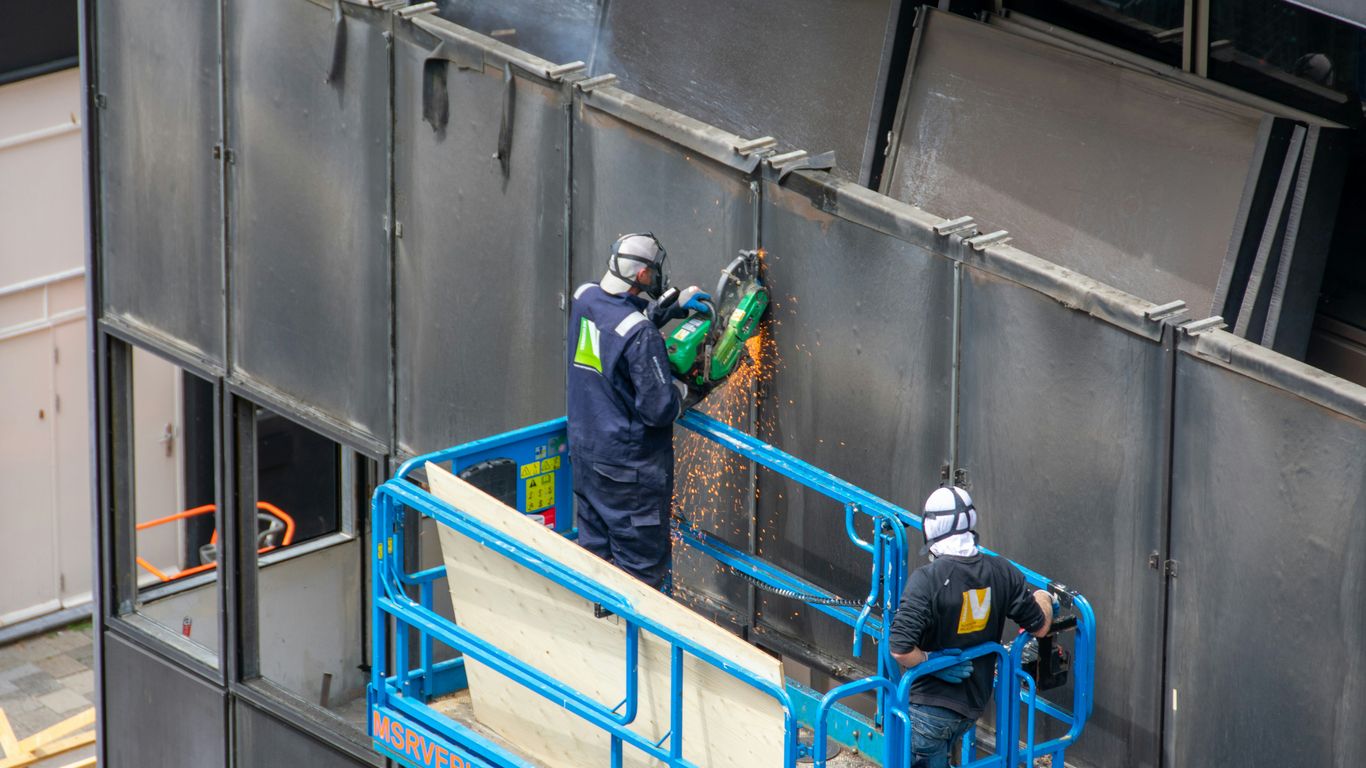
Right then, before we even think about slapping on that fancy fire-protecting paint, there's a bit of groundwork to do. It’s not just a case of turning up with a brush and a tin, you know. Getting the surface ready is absolutely key to making sure the coating actually does its job properly and sticks around for the long haul.
Surface Preparation For Optimal Adhesion
First things first, the steelwork needs to be spotlessly clean. We’re talking no grease, no oil, no rust, no dust, and definitely no moisture. Anything like that is going to mess with how well the coating sticks. Think of it like trying to put a sticker on a greasy window – it just won’t hold. So, we usually give the steel a good clean, maybe a bit of a scrub with a wire brush, and sometimes a solvent wipe-down. It all depends on what the steel looks like when we get there. The goal is a dry, clean surface that’s ready to accept the primer. This might involve some light abrasive blasting to give it a bit of a 'key' for the primer to grip onto. It’s a bit of a faff, but honestly, it makes all the difference.
Applying The Primer Layer
Once the steel is prepped and looking its best, it’s time for the primer. Most intumescent systems need a specific primer to go on first. This isn't just any old paint; it's a special layer designed to bond really well with the steel and also provide a good base for the intumescent coating itself. You’ve got to get the thickness just right here, too. Too thin and it won’t do its job; too thick and it might cause problems later on. We usually follow the manufacturer's instructions to the letter on this bit. It’s important to let this primer coat dry properly before moving on. Rushing this step is a recipe for disaster, and nobody wants that when fire safety is on the line. You can find out more about the different types of intumescent coatings and their requirements on Sherwin-Williams' website.
Getting the surface preparation and primer application right is probably the most overlooked, yet most important, part of the whole process. It sets the stage for everything that follows and dictates how well the final coating will perform when it's needed most.
The Application Process For On-Site Intumescent Coatings
Once the surface is prepped and primed, the real work of applying the intumescent coating begins. This isn't a job for just anyone; it requires a skilled hand and a good understanding of how the material behaves. Building up the layers correctly is absolutely key to achieving the required fire rating.
Building Up Intumescent Coating Layers
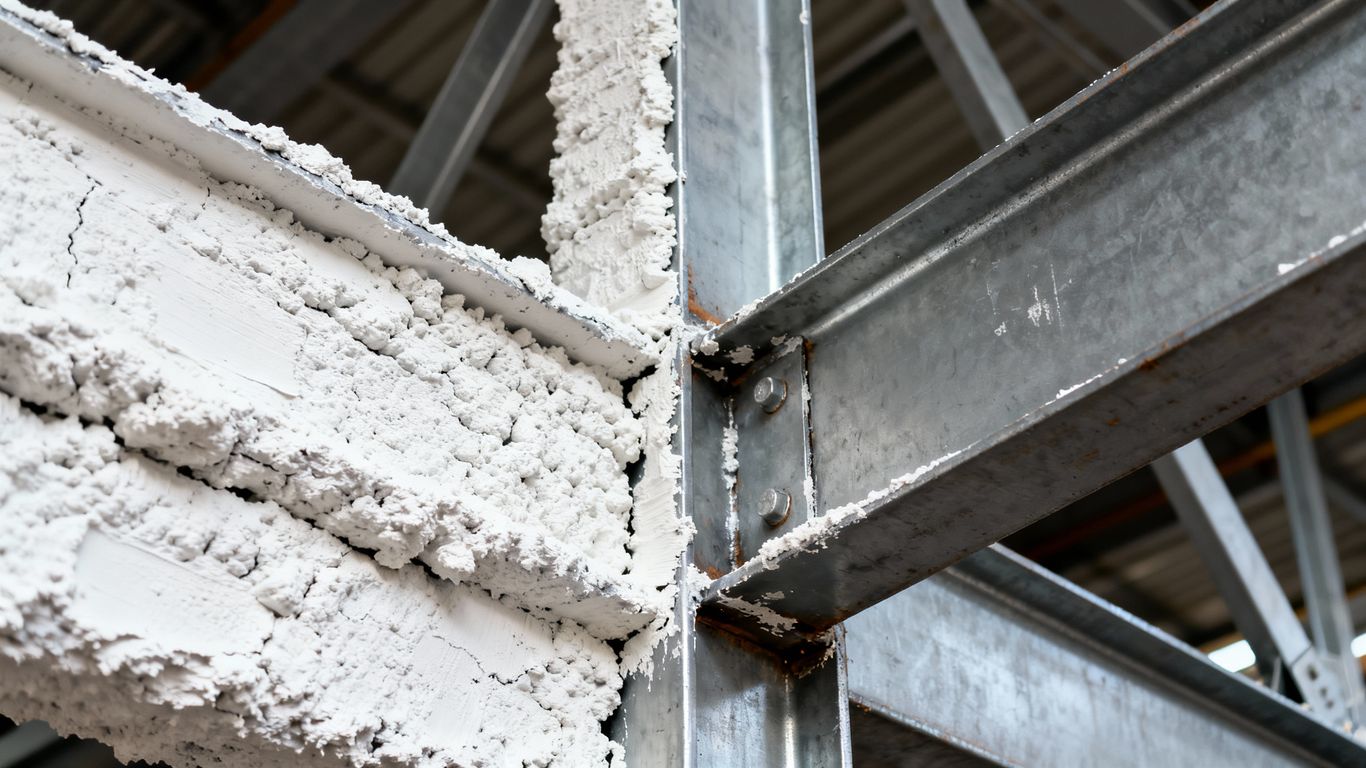
Applying intumescent coatings on-site usually involves spraying, though brushing or trowelling can be used for smaller areas or touch-ups. The goal is to achieve a specific dry film thickness (DFT), which is directly related to the coating's ability to protect the steel during a fire. This thickness is built up over several coats.
- First Coat: This initial layer acts as a base. It's important that it adheres well to the primer and provides a uniform surface for subsequent coats.
- Subsequent Coats: More layers are added, with drying times between each application as specified by the manufacturer. Each coat adds to the overall thickness and fire resistance.
- Thickness Checks: Throughout the process, the wet film thickness (WFT) is regularly measured. This gives an indication of the final DFT once the coating dries. Getting this right is vital for the coating to perform as intended.
It's worth noting that some intumescent coatings are designed for off-site application in controlled workshop conditions. This can sometimes lead to a more consistent finish, but on-site application is often necessary for logistical reasons or specific project requirements. For instance, waterborne intumescent coatings are typically applied directly on-site.
Applying intumescent coatings on-site can be tricky. You're often working around other trades, and the weather can throw a spanner in the works. Careful planning and communication are a must to keep things moving smoothly and ensure the job is done right.
Finishing With A Protective Topcoat
After the intumescent layers have been applied and have reached the correct thickness, a protective topcoat is usually applied. This isn't just for looks, though it does provide a more finished appearance. The topcoat serves several important functions:
- Durability: It protects the intumescent layer from physical damage, abrasion, and impact.
- Environmental Resistance: It shields the coating from UV radiation, moisture, and general weathering, which can degrade the intumescent material over time.
- Aesthetics: It can provide a specific colour and finish, allowing the coated steel to be left exposed if desired, rather than being hidden behind other building materials.
Choosing the right topcoat is important, as it needs to be compatible with the intumescent base coat. Manufacturers will specify suitable options. Regular inspections of the topcoat are recommended, as it's this layer that typically breaks down first over the years, meaning the underlying intumescent protection might eventually need attention. You can find a range of [intumescent paint options](Firefree Inc) that might suit your project needs.
While off-site application can offer benefits like factory-controlled fire protection, on-site application remains a common and effective method when managed properly.
Applying special fire-resistant paint on-site is a key part of keeping buildings safe. This process needs careful planning and skilled workers to make sure it's done right. We ensure every step is followed perfectly to give you the best protection. Want to learn more about how we apply these coatings? Visit our website today!
Wrapping Up On-Site Intumescent Application
So, applying intumescent coatings on-site is definitely a job that needs careful planning and skilled hands. It's not just about slapping paint on; you've got surface prep, primers, multiple coats, and often a topcoat to think about. While it might seem a bit fiddly, getting it right means you're adding a serious layer of safety to a building. It’s a bit like doing a really important DIY project, but with much higher stakes. Just remember to follow the product's instructions to the letter and make sure the team doing the work knows their stuff. That way, you can be confident the coating will do its job when it really matters.
Frequently Asked Questions
What needs to be done to the surface before applying intumescent paint?
Before you start painting, the surface must be completely clean and dry. Any dirt, grease, or moisture will stop the paint from sticking properly. Sometimes, you might need to give the surface a light sand or wipe it down with a special cleaner to make sure it's ready for the paint.
How many layers of intumescent coating are usually needed?
The number of layers depends on what the paint is made for and how much fire protection is needed. Typically, you'll need to apply several coats to build up the right thickness. Each layer needs to dry completely before the next one is added to ensure the best protection.
Can intumescent paint be painted over?
Yes, often a final coat, called a topcoat, is applied. This isn't just for looks; it can also make the intumescent paint tougher and protect it from things like bad weather or general wear and tear, helping it last longer.








.png)