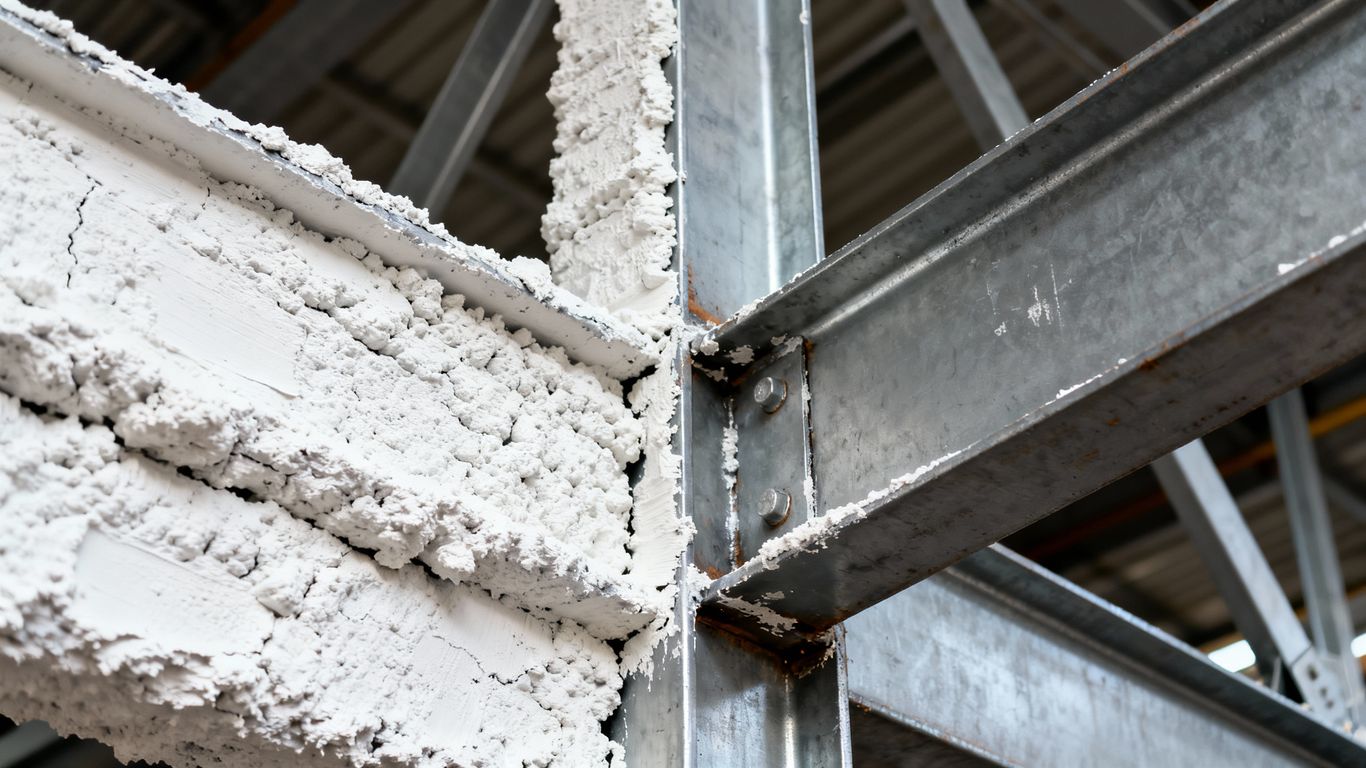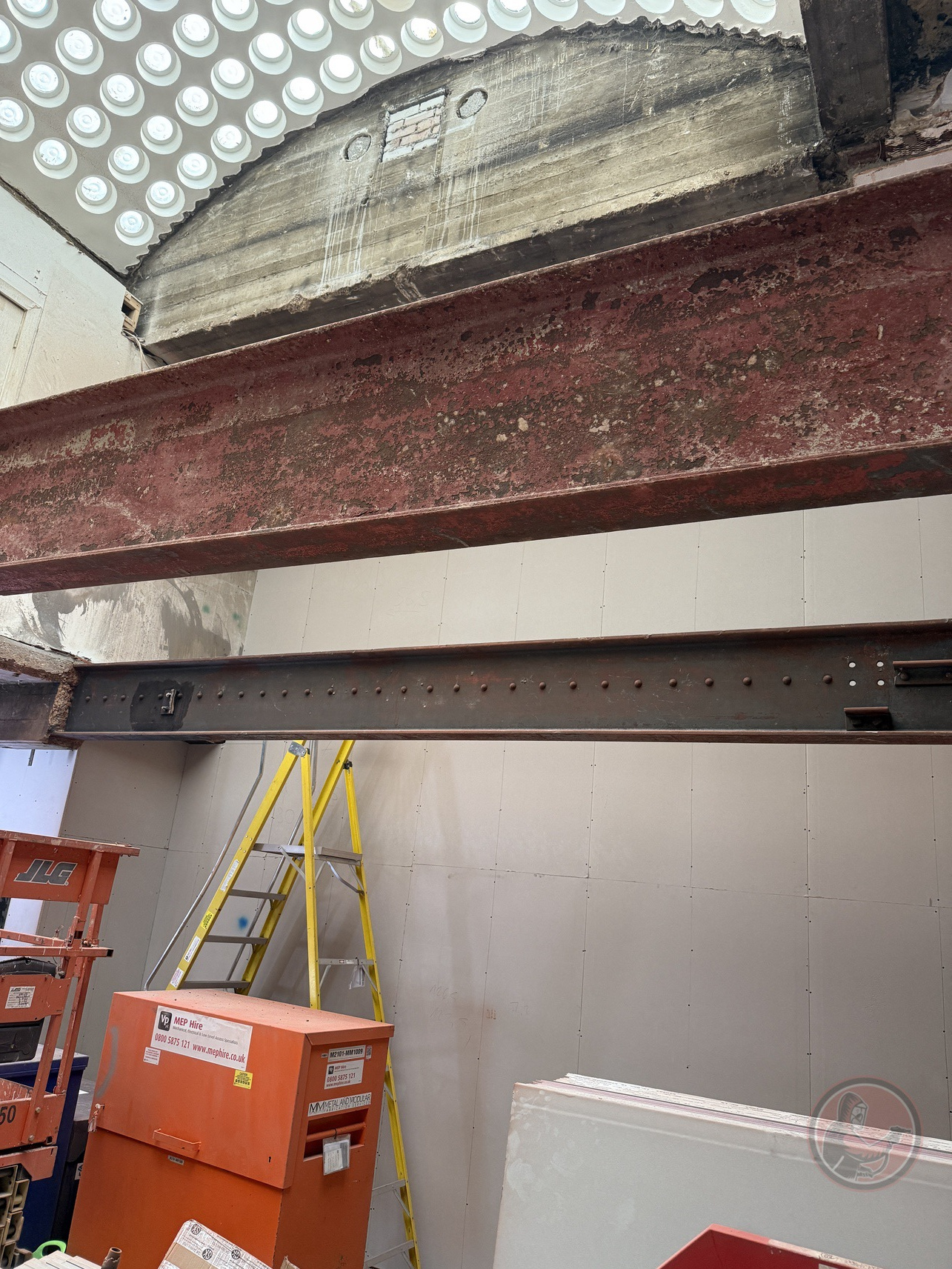
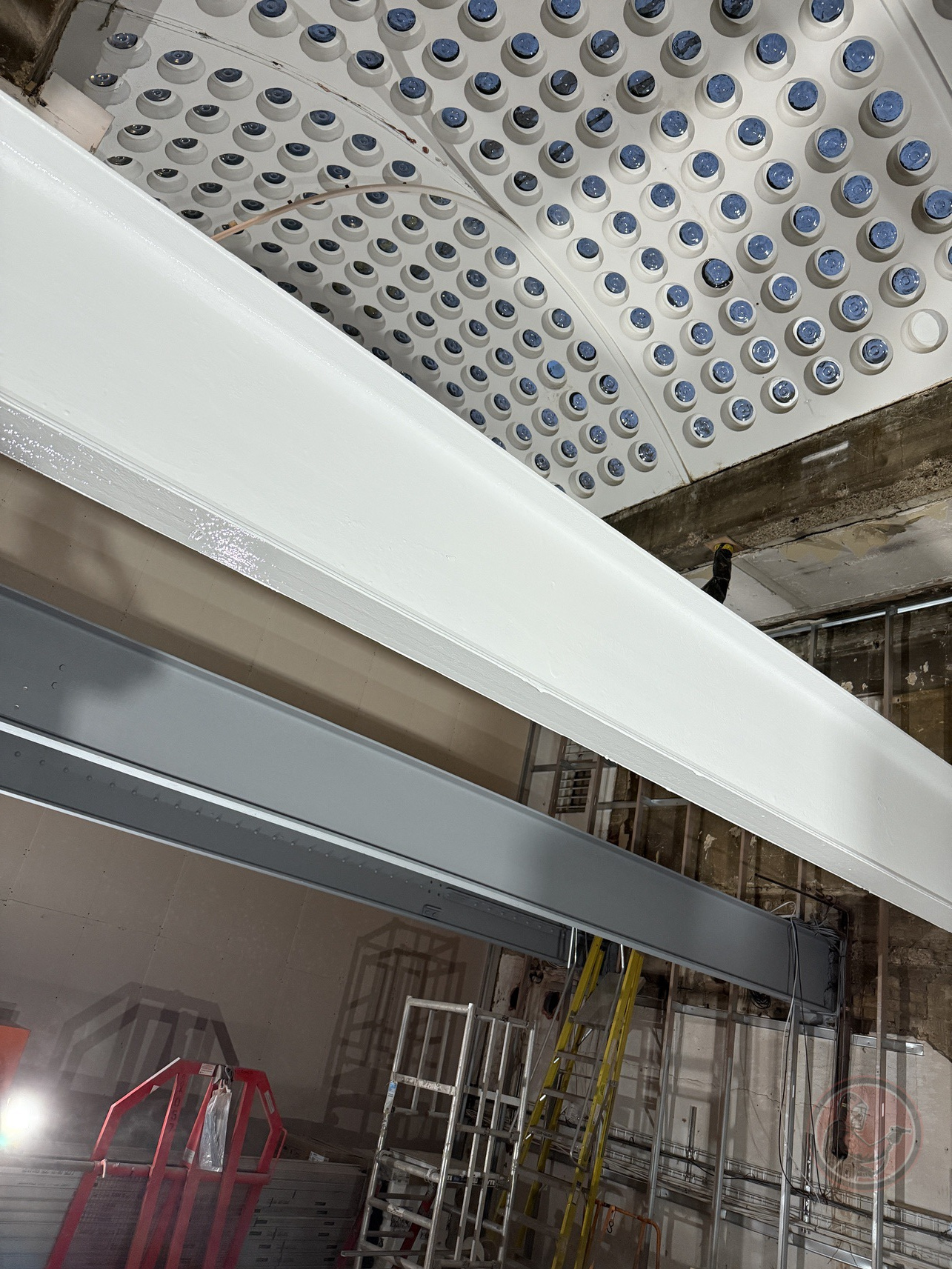
So, you're looking at intumescent fire protection, which is pretty clever stuff. It swells up when it gets hot, creating a char layer that shields the steel. But here's the thing, it's not just about the intumescent paint itself. You've got to get the layers right, and that includes the primer underneath. Applying the wrong primer, or doing it badly, can actually mess up the whole fire protection system. It sounds simple, but there's a bit more to it than just slapping some paint on.
Key Takeaways
- Choosing the right primer for intumescent coatings is vital. It needs to protect against rust and, most importantly, be compatible with the intumescent paint. Using a primer that hasn't been approved as part of the system can lead to the intumescent layer detaching during a fire, which defeats the whole purpose.
- The order of the layers matters. Typically, it's primer first, then the intumescent coating, and sometimes a topcoat. You can't just swap these around or skip a layer without checking if the system is still approved and will work correctly.
- Proper application is just as important as picking the right primer. This means making sure the surface is prepped correctly before priming, the primer is applied to the right thickness, and you stick to the recommended drying and recoating times. Messing this up can cause adhesion problems, cracking, or other issues that compromise fire performance.
Understanding The Role Of Primers In Intumescent Systems
When we talk about intumescent fire protection, it's not just about the fancy paint that swells up when it gets hot. It's a whole system, and the primer underneath plays a surprisingly big part. Think of it like building a house; you wouldn't just slap plaster on bare brick, would you? You need a solid base. That's what the primer does for intumescent coatings.
Why Primer Compatibility Is Crucial For Fire Performance
So, why is this primer thing so important? Well, the intumescent coating expands to form a protective char layer when exposed to fire. But if the primer underneath can't handle the heat, or if it doesn't stick properly to the steel, the whole char layer can just peel off. That means the steel underneath gets hot way too quickly, and your fire protection fails. It's not just about the paint sticking today; it's about it staying bonded when things get really hot. The primer needs to be approved as part of the specific intumescent system you're using. This isn't something you can just guess at. The dry film thickness (DFT) of the primer is also a big deal here; too much can actually cause problems down the line.
The Importance Of Correct Layer Order In Intumescent Systems
Getting the layers right is pretty straightforward, but you really can't improvise on site. A basic interior system might just be a primer and the intumescent coating. But if the steel is going to be outside, or in a damp place, you'll likely need a third layer – a topcoat or sealer. This topcoat protects the intumescent layer from moisture and general wear and tear. Without it, the intumescent coating can start to break down much sooner than it should. For really tough environments, you might see an epoxy primer followed by the intumescent, and then a tough polyurethane topcoat. It all depends on where the steel is and what it's up against. Always check the manufacturer's guidance for the specific system you're using; they'll tell you exactly what layers are needed and in what order. For example, if you're dealing with exterior steel, a compatible topcoat is often mandatory to shield the intumescent layer from the elements.
The entire coating system, from the primer to the topcoat, must be tested and approved together. Mixing and matching components without verification can lead to unexpected failures, especially under fire conditions. Always refer to the manufacturer's approved systems list and technical data sheets.
Specifying And Applying The Right Primer For Intumescent Coatings
Choosing the correct primer is a bit like picking the right foundation for a house – it needs to be strong, compatible, and prepared properly. Get it wrong, and the whole system can be compromised, especially when fire protection is on the line. It’s not just about stopping rust; it’s about making sure the intumescent coating can do its job when it really matters.
Key Considerations For Primer Selection
When you're specifying a primer for an intumescent system, there are a few things you absolutely need to get right. First off, it has to be compatible with the intumescent product you're using. This isn't something you can just guess at; you need to check the manufacturer's approved systems list. They've tested these combinations, and deviating can lead to serious problems down the line, like the intumescent flaking off under heat.
Here’s a quick rundown of what to look for:
- Corrosion Protection: The primer needs to offer adequate protection for the environment the steel will be in. Is it a dry indoor space or a damp, salty outdoor area? This dictates the type and thickness of primer needed.
- System Approval: Always, always, always use a primer that is explicitly approved by the intumescent coating manufacturer for use with their product. They usually provide a list of suitable primers.
- Dry Film Thickness (DFT): Primers have a maximum approved DFT. Applying too much primer can actually weaken the system's performance in a fire, as it might lose adhesion at high temperatures. Stick to the specified limits.
It’s also worth noting that while epoxy and alkyd primers are common, some zinc-rich primers might not be suitable unless specifically approved. Always verify with the intumescent supplier.
Don't assume compatibility. Always request a system confirmation package from the manufacturer that details the approved primer, intumescent, and any necessary topcoat, along with their specific DFT limits and recoat windows for your project's environment and fire rating needs.
Surface Preparation And Primer Condition Checks
Even if you've specified the perfect primer on paper, you're not done yet. What happens on site is just as important. Before you even think about applying the intumescent coating, you need to check the condition of the primer.
For newly applied primer:
- Curing: Is it fully cured and dry to recoat? Check the manufacturer's data sheet for the required drying times.
- Cleanliness: Has any dust, oil, grease, or other contamination settled on the surface? Any debris will compromise adhesion.
- DFT: Is the primer thickness within the specified tolerance? You might need to check this with a gauge.
If the steel has been primed and then stored for a while, especially outdoors, you might need to do more.
- Cleaning: Contamination like dust, oils, and even chalking from weathering can build up. A thorough wash and degrease is often necessary. You can find more information on effective surface cleanliness for fire protection systems.
- Surface Profile: Sometimes, a light abrasive sweep blast is needed to refresh the primer's surface and ensure good adhesion for the intumescent coating.
- Repairs: Any damaged areas of the primer, like chips or scratches, need to be repaired properly before the intumescent is applied. This often means getting back to the original surface preparation standard.

Common Pitfalls And Best Practices For Intumescent Primer Application
Right then, let's talk about the bits that can go wrong when you're applying primers for intumescent systems, and how to steer clear of them. It's not just about slapping it on; there's a bit more to it than that, especially when you want the fire protection to actually work when it's needed.
Avoiding Compatibility Failures With Primers
This is a big one. If the primer and the intumescent coating don't play nicely together, the whole system can fall apart, literally. You might find the intumescent layer peeling away from the primer when it gets hot, which defeats the whole purpose. This usually happens because:
- The primer wasn't approved for use with that specific intumescent product. It sounds obvious, but people sometimes try to mix and match. Always check the manufacturer's approved systems list. It’s not worth the risk.
- The primer's dry film thickness (DFT) is too high. Manufacturers test their systems within certain DFT limits. Going over these limits can compromise adhesion, especially under fire conditions. It’s a bit like trying to stack too many plates – eventually, it all topples.
- The primer is old or contaminated. If a primed surface has been sitting around for ages, gathering dust, oil, or grease, it needs a bit of attention before the intumescent goes on. A quick sweep blast to refresh the surface profile and a good clean are often necessary. Don't just assume it's fine.
It's really important to remember that intumescent systems are tested as a complete package. This means the primer, the intumescent coating, and any topcoat all have to be approved to work together. Trying to cut corners or substitute components can lead to a system that looks good but won't perform when it counts.
Ensuring Correct Application Thickness And Passes
Getting the thickness right is absolutely key for intumescent coatings. They work by swelling up to form an insulating char, and this char needs to be a certain thickness to do its job properly. But here's the catch: you often can't just slap on one thick coat.
- Sagging and cracking: Applying too much intumescent in a single go can cause it to sag down the steel or crack as it dries. This leaves thin spots where the fire protection is compromised.
- Multi-pass application: Most intumescent systems require multiple coats, or 'passes', to build up the total required thickness. This allows each layer to dry sufficiently before the next is applied, leading to a more robust and even finish.
- Measuring is vital: You need to measure the wet film thickness (WFT) as you go and then check the dry film thickness (DFT) once it's cured. This ensures you're hitting the target specified for the required fire rating. For example, a 90-minute fire rating will need a significantly thicker coating than a 30-minute one.
Remember, the primer itself has a maximum DFT limit too, so you need to factor that in. Always refer to the product data sheets for specific guidance on application rates, recoat intervals, and the number of passes required. Getting this right is a major step towards reliable fire protection for your structure.
When putting on intumescent primer, it's easy to make mistakes. We've put together some tips to help you avoid common problems and get the best results. Want to learn more about how to do it right? Visit our website for expert advice and solutions.
So, What's the Takeaway?
Right, so we've gone over quite a bit about intumescent paints and how they work to keep things safe when the heat is on. It's pretty clear that just slapping on the intumescent isn't the whole story. That primer underneath? It's not just there to stop rust; it's a key player in the whole fire protection system. Getting the right primer, making sure it's applied properly, and that it's compatible with the intumescent layer is really important. Mess that up, and the whole system might not do its job when you need it most. So, next time you're dealing with intumescent coatings, don't forget the primer – it really does matter.
Frequently Asked Questions
Why do I need a special primer for fireproof paint?
Think of it like building with LEGOs. You can't just stick any two bricks together and expect them to hold strong, especially when things get hot! A special primer acts like the right LEGO connector, making sure the fireproof paint (the intumescent coating) sticks properly to the steel. If the paint doesn't stick well, it might peel off when there's a fire, and then it can't do its job of protecting the steel from getting too hot.
Can I use any primer I want under fireproof paint?
Not really! It's super important that the primer and the fireproof paint are best friends, meaning they've been tested together and approved as a system. Some primers might seem okay, but they could react badly with the fireproof paint when it gets really hot, causing it to fail. Always check with the maker of the fireproof paint to see which primers they say are safe to use with their product.
What happens if the primer is applied too thick?
Applying too much primer can be a problem. It's like putting on too many layers of clothes – it might not work as well as intended. If the primer layer is too thick, it might not stick properly when exposed to high heat during a fire. This could cause the fireproof paint layer on top to detach, reducing its ability to protect the steel. That's why there are rules about how thick the primer layer can be.


.png)