When it comes to keeping buildings safe during a fire, intumescent coatings play a big role. They look like regular paint, but when things get hot, they puff up to form a protective char layer. This stops the steel underneath from getting too hot too quickly, giving people more time to get out. But honestly, it’s not just about slapping the paint on. A lot goes into making sure it actually works when you need it to. The preparation of the surface before you even start painting is a massive part of the whole process, and if that’s not done right, the whole system can fail. We'll look at why getting the surface preparation for intumescent coatings spot on is so important.
Key Takeaways
- Getting the surface ready is the first, and maybe most important, step. If the steel isn't clean and properly prepped, the coating won't stick well, and it won't protect the structure like it should.
- You can't just use any primer or topcoat. They have to be approved by the intumescent coating manufacturer. Using the wrong ones can cause the coating to peel off or fail when it gets hot.
- The weather really matters when you're applying these coatings. Too much dampness or the wrong temperature can mess with how the coating dries and cures, which affects how well it works in a fire.
- Intumescent coatings are part of a bigger system. The thickness needed depends on the steel shape and how long it needs to resist fire. Topcoats are also needed to protect the intumescent layer from damage.
- These systems need to be tested and certified to meet fire safety rules. Regular checks and maintenance, like reapplying topcoats, are needed to keep them working correctly over the years.
The Critical Role Of Surface Preparation For Intumescent Coatings
Right then, let's talk about getting intumescent coatings to do their job properly. You see, all this fancy fire-retardant paint is only as good as the surface it's stuck to. If you mess up the prep work, you might as well have not bothered. It's the absolute bedrock of the whole system.
Ensuring Adhesion Through Proper Substrate Cleaning
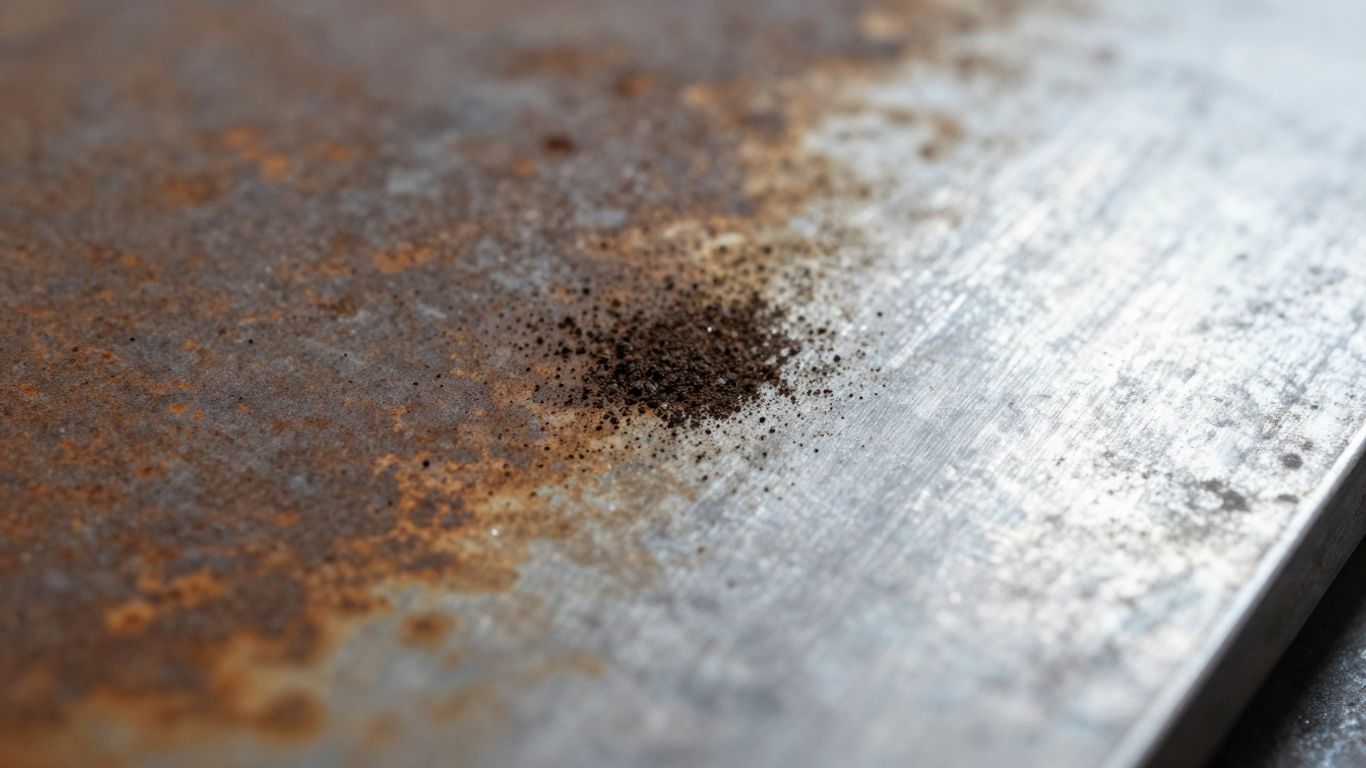
Think of it like sticking a poster on a wall. If the wall's covered in dust, grease, or old peeling wallpaper, that poster isn't going to stay put for long, is it? It's the same with intumescent coatings. We need a clean, sound surface for the paint to grab onto. This means getting rid of anything that could get in the way – rust, mill scale (that flaky stuff on new steel), old paint that's coming off, dirt, oil, you name it. If the coating can't bond properly, it won't be there when it's needed most.
The Impact Of Contaminants On Coating Performance
Contaminants are the enemy here. Even a thin film of oil or a bit of dust can stop the coating from sticking. Worse still, some contaminants can actually react with the coating over time, causing it to break down or lose its protective qualities. This isn't just about the coating not sticking; it's about it failing prematurely, potentially long before any fire incident occurs. We're talking about reduced durability and a compromised ability to perform under extreme heat.
Achieving Near-White Blast Cleaning Standards
For steel, the gold standard is usually something called 'Near-White Blast Cleaning', often referred to as SSPC-SP10 or SA 2.5. This isn't just a quick once-over with a wire brush. It involves using abrasive blasting to remove almost all visible rust, mill scale, and old coatings. The surface should look almost white, with just a very light shadowing or discolouration in places. This gives the primer, and subsequently the intumescent coating, a really good, consistent surface to adhere to. It's a bit more effort, sure, but it makes a massive difference to how long the coating lasts and how well it performs.
Here's a rough idea of what those blast cleaning standards mean:
- SSPC-SP7 (Brush-Off Blast Cleaning): Removes loose rust, mill scale, and coatings. Surface will still have visible tightly adhering residue.
- SSPC-SP10 (Near-White Blast Cleaning): Removes most rust, mill scale, and coatings. Surface is nearly white, with only very light shadowing.
- SSPC-SP5 (White Metal Blast Cleaning): Removes all rust, mill scale, and coatings. Surface is uniformly white.
The level of surface preparation required is always dictated by the coating manufacturer's specifications. It's not a case of 'one size fits all'. Always check the technical data sheet for the specific product you're using.
Primer Selection And Its Influence On Adhesion
Right then, let's talk about primers. You might think the intumescent coating is the star of the show, and in a way, it is. But it can't do its job properly without a good foundation, and that's where the primer comes in. It's not just about sticking the intumescent layer to the steel; it's a whole system, and getting the primer wrong can cause all sorts of headaches down the line.
Compatibility Between Primer And Intumescent Layers
This is a big one. You can't just slap any old primer on and expect the intumescent coating to play nicely with it. They need to be compatible, meaning they won't react badly with each other. If they're not, you can end up with issues like peeling, bubbling, or even the intumescent coating just not sticking at all. It's like trying to mix oil and water – it just doesn't work. Always, always check the manufacturer's recommendations for both the primer and the intumescent coating to make sure they're a match made in heaven. Sometimes, a shop-applied primer might be used, and you'll need to verify its compatibility with the intumescent system before you even start.
The Function Of Primers In Corrosion Protection
Primers aren't just there to help the intumescent coating stick. For steel structures, they're often the first line of defence against rust. A good primer, like a zinc phosphate or epoxy type, creates a barrier that stops moisture and oxygen from getting to the steel. This is super important because if the steel starts to corrode underneath the intumescent layer, the whole system's integrity is compromised. You're looking for a primer that not only bonds well but also offers solid corrosion resistance for the long haul.
Consequences Of An Incompatible Primer
So, what happens if you get it wrong? Well, the most obvious consequence is poor adhesion. The intumescent coating might peel away from the primer, or worse, the primer might peel away from the steel. This means the coating won't perform as it should when it's needed most – in a fire. Instead of expanding and insulating the steel, it could just fall off. This can lead to structural failure, which is exactly what these coatings are designed to prevent. It's a bit like building a house on shaky foundations; it's just not going to stand up to pressure. You might also see issues like blistering or delamination during the curing process, even before a fire occurs, which is a clear sign something's not right.
Here's a quick rundown of what to look out for:
- Adhesion Failure: The intumescent coating separates from the primer.
- Corrosion: Rust forms on the steel substrate due to inadequate primer protection.
- Delamination: Layers of the coating system peel away.
- Reduced Fire Performance: The coating fails to insulate the steel effectively during a fire.
It's really about the whole system working together. The primer is a key component, and its selection needs as much care as the intumescent coating itself. Skipping checks or using the wrong type can lead to expensive failures and, more importantly, compromise safety.
Environmental Factors During Application
So, you've got your steel prepped and ready, and you're about to slap on that intumescent coating. Hold on a minute! Before you even think about picking up the spray gun, you need to consider the weather. Honestly, it’s a bigger deal than you might think.
Temperature and Humidity Guidelines for Application
Intumescent coatings are a bit fussy, much like a delicate plant. They have specific needs when it comes to temperature and humidity. If it's too cold, too hot, or too damp, the coating just won't perform as it should. Manufacturers usually give you a pretty clear range, and it's wise to stick to it. Generally, you're looking at temperatures between 5°C and 35°C (that's 41°F to 95°F for those who prefer imperial) and relative humidity below 80%. Getting these conditions wrong can seriously mess with how the coating cures and, ultimately, how well it protects your steel in a fire.
The Risk of Moisture on Curing and Performance
Moisture is the enemy here. If there's water sitting on the steel surface, or if the air is really humid, you can run into all sorts of problems. We're talking about things like the coating sagging, developing bubbles, or not hardening up properly. This incomplete curing means the protective char layer won't form correctly when it's needed most. It’s like trying to bake a cake with too much water – it just won’t turn out right. Even a bit of dew can be enough to cause issues, so always check the dew point before you start.
Creating a Suitable Application Environment
Sometimes, the site just isn't playing ball. If you're working outdoors or in a place with unpredictable weather, you might need to create your own controlled environment. This could mean using temporary sheeting or enclosures to shield the work area from wind, rain, and extreme temperatures. It’s all about making sure the coating has the best possible chance to dry and cure correctly. Think of it as giving the coating its own little spa day before it has to do its important job. For projects where the environment is a constant challenge, looking into different types of coatings or application methods might be necessary. Remember, proper surface preparation is the first step, but maintaining the right conditions during application is just as vital for the long-term performance of the intumescent system.
Understanding Coating System Requirements
It's easy to think of intumescent coatings as a standalone product, but that's really not the case. They're part of a bigger picture, a whole system. You can't just slap them on any old how and expect them to work perfectly when things get hot. The whole setup needs to be thought out from the start.
The Importance Of Manufacturer-Approved Systems
Think of it like building with LEGOs. You need the right pieces that fit together properly. Intumescent coatings are no different. Manufacturers spend a lot of time and money testing their systems – that means the primer, the intumescent layer itself, and often a topcoat, all working together. When you use products from different brands, or swap out a recommended primer for something else, you're basically throwing away all that testing and certification. It's like using a car engine part that wasn't designed for your specific car; it might fit, but it's unlikely to perform as it should, and could even cause damage.
- Always stick to a manufacturer's approved system. This is your best bet for reliable fire protection.
- Using unapproved combinations can invalidate warranties and, more importantly, compromise your fire safety rating.
- Ask for documentation that clearly outlines the approved system for your project.
How Section Factors Influence Coating Thickness
So, how do they figure out how much paint to put on? It's not just a guess. One big factor is the 'section factor', often shown as Hp/A. This basically looks at the surface area of the steel section compared to its volume. Steel sections that have a lot of surface area for their size (like thin beams) heat up faster in a fire. Because they heat up quicker, they need a thicker layer of intumescent coating to keep them insulated for the required time. The thicker the section, the less surface area there is relative to its mass, and it will take longer to reach critical temperatures, so less coating might be needed.

The Role Of Topcoats In System Durability
People often think the intumescent layer is the end of the story, but that's not quite right. While it does the heavy lifting during a fire, it needs protection in its day-to-day life. That's where topcoats come in. They're not just for making things look pretty, though that's a bonus. A good topcoat shields the intumescent layer from things like UV rays, moisture, and everyday knocks. Without it, the intumescent coating can start to break down, get damaged, or absorb moisture, all of which can seriously affect its ability to perform when a fire breaks out. Choosing the right topcoat depends on where the steel is – inside, outside, or in a harsh industrial setting.
The entire coating system, from primer to topcoat, must be considered as a single, integrated unit. Each component plays a specific role, and their compatibility is paramount for achieving the intended fire resistance and long-term durability of the steel structure.
- Polyurethane topcoats are great for exterior jobs because they handle UV light well.
- Acrylic topcoats are a good, cost-effective choice for interior areas with less exposure.
- Polysiloxane topcoats offer top-tier toughness for really demanding environments like chemical plants or coastal areas.
Certification And Testing For Compliance
Adhering To Fire Resistance Standards
When you're dealing with intumescent coatings, it's not just about slapping some paint on. There are actual standards these things have to meet, and they're tested rigorously. Think of it like a car needing an MOT – it has to pass certain checks to be roadworthy. For intumescent coatings, these checks are all about fire resistance. We're talking about tests like BS 476 or the UL 263 standard, which basically simulate a fire scenario to see how the coating performs. It's the testing that proves the coating will actually do its job when the worst happens.
The Significance Of Tested Assemblies
Here's where it gets a bit more technical. You can't just pick any primer and any topcoat to go with your intumescent paint and expect it to be certified. The testing is done on a whole system. This means the specific primer, the intumescent coating itself, and the topcoat are all tested together on a particular type of steel or substrate. It's called a 'tested assembly'. If you swap out one part – say, use a different primer than the one specified – the whole certification can become invalid. It’s like trying to use a part from a different model of car in your engine; it might fit, but it’s not guaranteed to work correctly, and it could cause problems.
- Primer: Must be compatible with the substrate and the intumescent layer.
- Intumescent Coating: The main fire-resistant layer.
- Topcoat: Protects the intumescent layer from damage and UV.
- Substrate: The steel or material being protected.
Maintaining Code Compliance Through Documentation
So, you've had the coatings applied, and they've been tested as part of a system. What next? You need proof. The applicators should provide a whole paper trail, often called a 'golden thread of information'. This documentation shows exactly what was used, when it was applied, by whom, and that it meets all the required standards. It's vital for building control officers and inspectors. Without the right paperwork, even a perfectly applied coating might not be accepted, and you could face issues down the line, especially if there's a fire. It’s all about having a clear record that the system is compliant and will perform as expected.
The whole point of certification and testing is to give building owners and occupants confidence that the passive fire protection measures in place will actually work when needed. It's not just a formality; it's a critical step in ensuring safety and meeting legal requirements.

Maintenance And Inspection For Longevity
So, you've gone through all the trouble of getting the surface prepped just right and the intumescent coating applied perfectly. That's great, but it's not quite the end of the story. Think of it like looking after a classic car; you can't just leave it in the garage and expect it to stay in pristine condition. The intumescent layer, while designed to do its job in a fire, can still get a bit battered by everyday life.
Protecting The Intumescent Layer Over Time
Over the years, things like harsh sunlight (UV exposure), regular cleaning, or even just the odd accidental knock can start to wear down that protective coating. It's not always obvious at first glance, but these little bits of damage can actually compromise its ability to perform when it really matters. That's why a good topcoat is so important – it's like the shield for your intumescent layer, keeping it safe from the elements and minor impacts. But even the best topcoat won't last forever.
Routine Inspections For Degradation
Regular check-ups are a must. You don't need to be a coatings expert to spot some of the common issues. Look out for:
- Cracks or splits in the coating.
- Any signs of rust peeking through, especially on steel.
- Areas where the coating might be peeling away or looks loose (delamination).
- Damage from impacts or abrasion.
These visual checks should ideally happen at least once a year. If you spot anything concerning, it's best to get it sorted sooner rather than later. Ignoring small problems can lead to bigger, more expensive ones down the line.
The Necessity Of Topcoat Renewal
Depending on where the coated structure is and what it's exposed to, that protective topcoat might need a refresh every 5 to 10 years. It's a bit like repainting the outside of your house – it keeps everything underneath looking good and protected. If the topcoat is looking faded, chalky, or is showing signs of wear, it's probably time for a new layer. This isn't just about looks; it's about making sure the intumescent coating underneath stays effective for its intended lifespan.
The effectiveness of an intumescent coating system is not a 'fit and forget' solution. While the core fire protection properties are long-lasting, the integrity of the system relies on the continued performance of all its layers, including the primer and topcoat. Regular maintenance and timely repairs are key to ensuring the system remains compliant and provides the expected level of safety throughout the building's life.
If you find damaged areas, you'll need to repair them using materials that are compatible with the original system. Just slapping on any old paint won't do; it needs to be the right stuff, often specified by the original manufacturer, to maintain the fire rating.
So, What's the Takeaway?
Right then, we've gone over quite a bit, haven't we? It really boils down to this: that fancy intumescent coating you've picked out? It's only as good as the groundwork laid for it. Think of it like building a house – you wouldn't skimp on the foundations, would you? Same deal here. Get the surface prep wrong, use the wrong primer, or apply it in dodgy weather, and you're basically asking for trouble when the heat's on. It’s not just about slapping paint on; it’s a whole system, and every bit needs to be spot on. So, next time you're thinking about fire protection, remember that the real magic, and the real safety, starts long before the main coating even gets sprayed.
Frequently Asked Questions
Why is cleaning the surface so important before applying intumescent paint?
Think of it like painting your bedroom walls. If you don't clean them first, the paint won't stick properly and might peel off later. For intumescent paint, a clean surface is vital so it can stick firmly to the steel. If there's rust, dirt, or old paint, the intumescent coating might not stick well, and it won't do its job of protecting the steel in a fire.
Can I use any type of primer with intumescent paint?
Not really. The primer and the intumescent paint need to work together like a team. Using the wrong primer can cause the intumescent paint to peel off, especially when it gets hot. It's really important to use a primer that the intumescent paint maker says is okay, to make sure everything sticks together properly.
Does the weather affect how well intumescent paint works?
Yes, it does! Intumescent paint is a bit fussy about the weather. If it's too damp or too cold when you're painting, the paint might not dry or harden correctly. This can make it weaker and less effective at protecting the steel during a fire. It’s best to paint when it’s dry and within the temperature range recommended by the paint maker.
What is a 'section factor' and why does it matter for coating thickness?
The 'section factor' is a way to describe how much surface area a steel beam has compared to its volume. Beams with more surface area for their size heat up faster in a fire. Because they heat up quicker, they need a thicker layer of intumescent paint to protect them for the same amount of time as a beam with less surface area.
What's the point of a topcoat on intumescent paint?
The topcoat isn't just for looks! The intumescent layer is the part that expands in a fire. But, the topcoat protects the intumescent layer from everyday damage, like scratches, bumps, or getting wet from rain or cleaning. Without a good topcoat, the intumescent layer could get damaged and not work as well when a fire happens.
How often do I need to check if the intumescent paint is still okay?
Intumescent paint needs looking after, just like anything else. It's a good idea to have it checked every year to see if there are any cracks, peeling bits, or rust starting. Depending on where it is and how much sun or rain it gets, you might need to repaint the topcoat every 5 to 10 years to keep the whole system in good shape and working correctly.


.png)