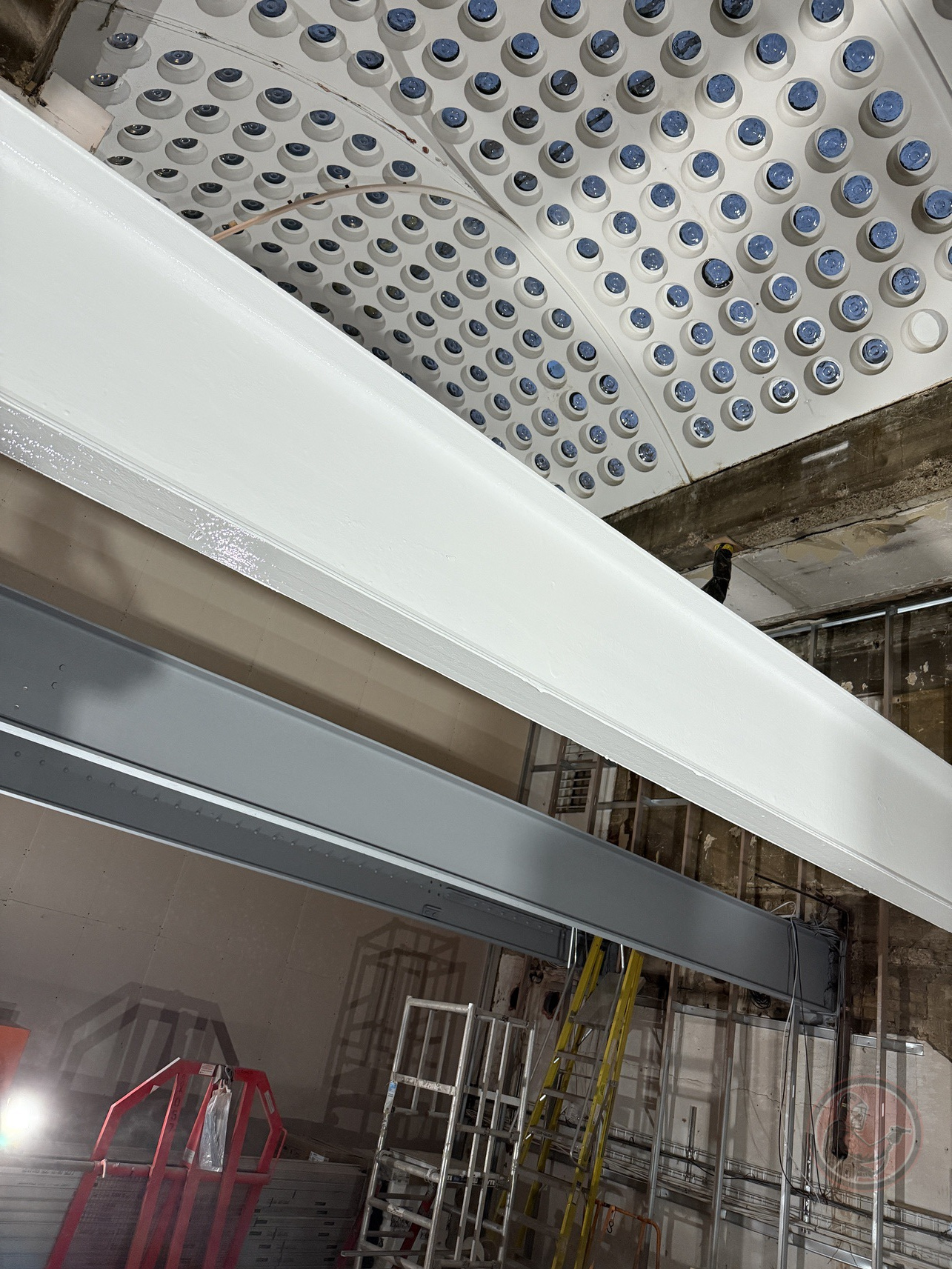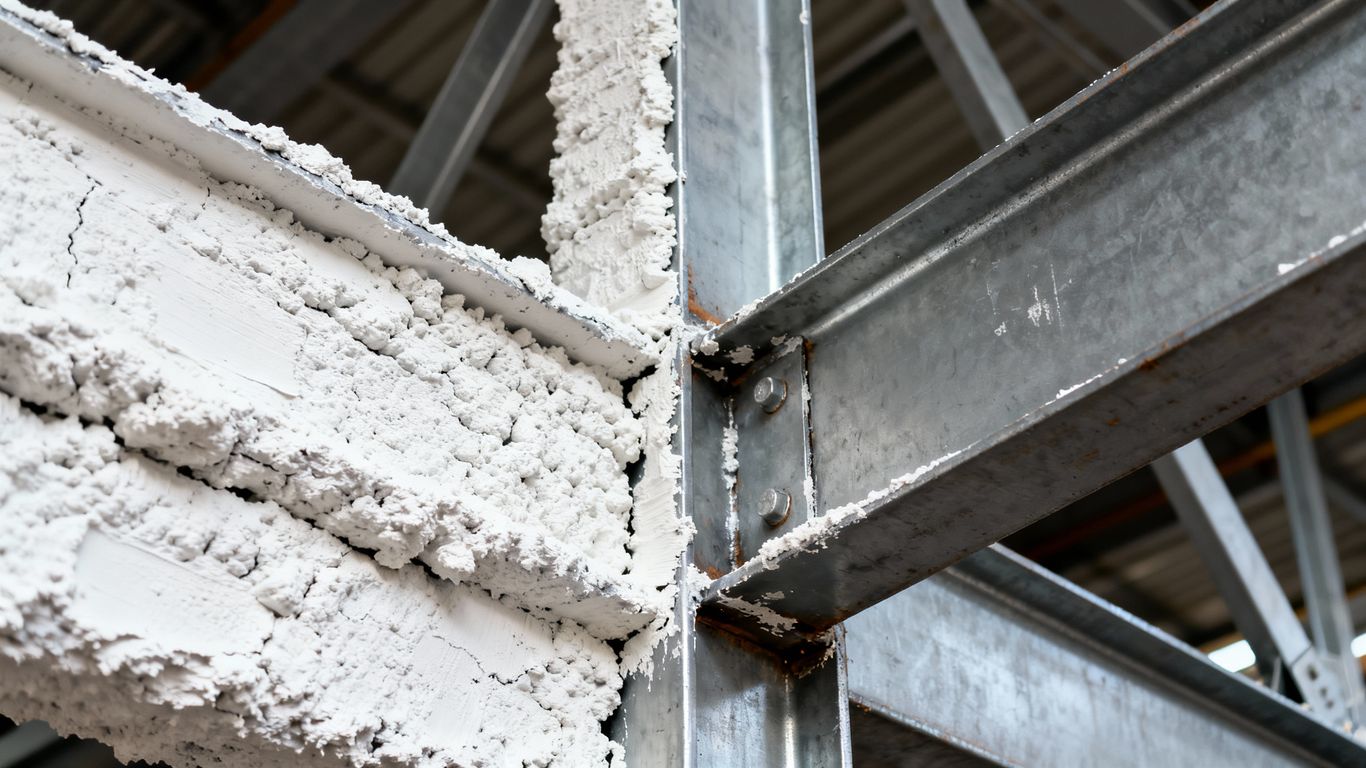
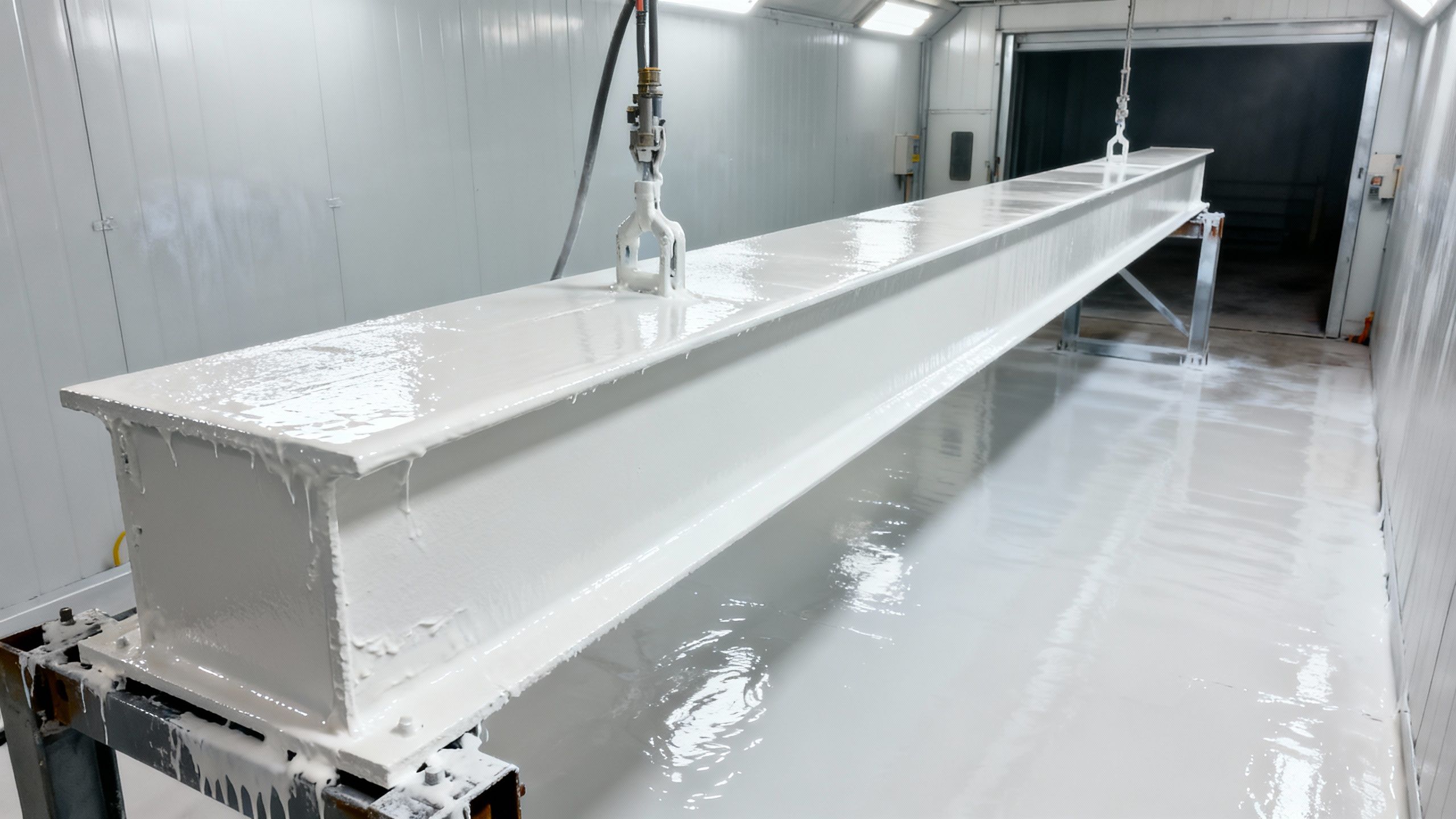
When it comes to building safely, fire protection for steel is a big deal. You've got intumescent coatings, which basically puff up when things get hot to keep the steel from failing too quickly. Now, the big question is, do you get this coating put on the steel before it even gets to the building site, or after it's all put up? Deciding between on-site vs pre-install intumescent coatings isn't as simple as it sounds, and it can really affect your project's timeline, cost, and even how good it looks in the end. Let's have a look at what works best and when.
Key Takeaways
- Applying intumescent coatings off-site in a factory setting offers better control over the environment, leading to a more consistent and higher-quality finish compared to on-site application.
- Pre-install (off-site) intumescent coating can significantly speed up project timelines by reducing on-site labour and avoiding weather-related delays, which is particularly beneficial for tight schedules.
- On-site application provides flexibility for projects with late design changes, complex connection details, or oversized steelwork that is difficult to transport after coating.
- Choosing between on-site vs pre-install intumescent coatings depends on several factors, including project programme demands, site conditions, weather, and steel accessibility.
- Proper integration of fire strategy with the chosen application method, alongside good planning and coordination, is vital for reliable fire performance and compliance.
Understanding On-Site vs Pre-Install Intumescent Coatings
When we talk about protecting structural steel from fire, intumescent coatings are a big deal. They're basically special paints that puff up when they get hot, creating a thick, insulating layer that stops the steel from reaching its critical failure point too quickly. This gives people more time to get out and firefighters more time to do their job. Now, the big question is, where do you apply this stuff? You've got two main options: on-site, after the steel is already up, or off-site, in a factory before it even gets to the building site.
Defining On-Site Intumescent Application
Applying intumescent coatings on-site means the paint goes on after the steel beams and columns have been erected and fixed in place. This method offers a bit more flexibility, especially if the construction schedule gets a bit messy or if steel deliveries are staggered. It's the traditional way many projects have been done for years.
Defining Off-Site Intumescent Application
Off-site application, sometimes called pre-install or factory application, is when the intumescent coating is applied in a controlled workshop or spray facility. The steel is prepared, coated, inspected, and then delivered to the construction site ready to be installed. Think of it like getting a piece of furniture delivered fully assembled rather than having to put it together yourself.
The Core Function of Intumescent Coatings
Regardless of where it's applied, the main job of an intumescent coating is the same. Its primary purpose is to delay the structural failure of steelwork during a fire. When temperatures rise, the coating expands significantly, forming a thick, insulating char. This char layer protects the steel from direct heat, slowing down the rate at which it heats up. This delay is absolutely vital for passive fire protection, giving occupants precious extra minutes to evacuate and emergency services time to respond effectively. The effectiveness of this protection relies heavily on the correct application thickness and coverage, which is where the choice between on-site and off-site becomes important. For more information on the services available, you can look at FireCoatings.co.uk.
Here's a quick look at the key differences:
- Application Environment: On-site is exposed to site conditions; off-site is in a controlled factory.
- Timing: On-site is applied after steel erection; off-site is applied before steel delivery.
- Quality Control: Off-site generally allows for more stringent quality checks due to the controlled environment.
- Logistics: Off-site requires careful planning for transport and handling of coated steel.
When Off-Site Intumescent Application Excels
Applying intumescent coatings in a controlled factory setting, away from the hustle and bustle of a live construction site, really shines in a few key areas. It's not always the best fit, but when it is, it can make a big difference to how smoothly a project runs.
Optimising Tight Project Timelines
When you've got a project schedule that's tighter than a drum, getting steelwork coated off-site can be a real lifesaver. You see, applying these coatings on-site is often at the mercy of the weather. A bit of rain, a sudden frost, or even just a really damp day can put the brakes on the whole operation. This means delays, which nobody wants, especially when the clock is ticking. By getting the coating done in a factory, you bypass all those unpredictable site conditions. The work happens indoors, under controlled temperature and humidity, so it's not dependent on what the sky is doing. This predictability means the steel is ready to go when it's needed on site, helping to keep everything else moving along.
- Predictable Application: Factory conditions mean consistent application regardless of external weather.
- Reduced Delays: Avoids weather-related hold-ups common with on-site work.
- Faster Installation: Pre-coated steel can be erected immediately upon arrival, saving valuable time.
Ensuring Controlled Application Environments
Let's be honest, construction sites can be chaotic places. There are multiple trades working at once, dust flying around, and sometimes, not a lot of space to manoeuvre. Trying to apply a precise intumescent coating in that kind of environment can be tricky. You need the right temperature, the right humidity, and a clean surface. In a factory, all of that is managed. You've got dedicated spray booths, proper drying ovens, and trained staff who are focused solely on getting that coating just right. This controlled environment means you're much more likely to achieve the exact thickness and coverage required by the fire safety specifications. It's about quality control, plain and simple.
The controlled environment of a factory allows for meticulous application of intumescent coatings, leading to a more reliable and consistent finish that's harder to achieve on a busy, unpredictable construction site. This focus on quality upfront can prevent issues down the line.
Achieving Superior Aesthetic Finishes
While fire protection is the main job of intumescent coatings, nobody wants their building to look messy. When coatings are applied on-site, especially if it's a decorative finish, you can sometimes end up with drips, runs, or an uneven texture. This is often because the steel might be in awkward positions, or the applicator is working in less-than-ideal conditions. Off-site application, however, allows for a much smoother, more uniform finish. The steel is laid out flat, or hung in a way that allows for perfect spraying. Plus, if a decorative topcoat is needed, it can be applied in the same controlled environment, giving you a much cleaner, more professional look. It means the steelwork can often be left exposed internally, saving on further finishing costs and looking good too.
- Uniform Thickness: Ensures consistent protection and a smoother surface.
- Improved Aesthetics: Ideal for exposed steelwork where appearance matters.
- Integrated Topcoats: Decorative finishes can be applied simultaneously for a complete solution.
The Case for On-Site Intumescent Application
Accommodating Late Design Modifications
Sometimes, even with the best planning, designs change. Maybe a structural beam needs to be moved slightly to accommodate a new service route, or a connection detail is altered late in the game. When this happens, having steelwork already coated off-site can present a real headache. You might have to cut away the existing coating, make the modification, and then reapply the intumescent. This is time-consuming and can lead to inconsistencies. Applying the coating on-site means you can make these adjustments before the fire protection is applied, saving time and potential rework. It offers a flexibility that pre-applied coatings just can't match when plans are still fluid.
Addressing Site-Specific Connection Requirements
Steel connections can be complex beasts. Often, the exact way beams and columns join together isn't fully finalised until the steel is on site and being erected. There might be specific bracing requirements or unique joint details that need to be addressed. Applying intumescent on-site allows applicators to work around these intricate connection points precisely. They can ensure full coverage and the correct film thickness is achieved in these often-awkward areas, which can be tricky to replicate perfectly when the steel is coated in a factory setting and then assembled.
Managing Oversized or Awkward Steelwork
Not all steelwork is created equal. Some projects involve massive, heavy beams or unusually shaped components that are difficult to transport, even after coating. In other cases, the steel might be erected in stages, and the final pieces are simply too large or unwieldy to handle easily once coated. On-site application becomes the practical solution here. It avoids the logistical nightmares of moving large, pre-coated elements and allows the protection to be applied directly to the steel in its final position, simplifying the whole process.
Key Factors Influencing Your Choice
So, you've got to decide whether to get your intumescent coatings slapped on before the steel even gets to the building site, or wait until it's all bolted together. It's not a decision to rush, and there are a few things that really make one option better than the other for your specific project.
Assessing Project Programme Demands
This is a big one. How tight is your schedule? If you're working to a really fast-track programme, getting steel delivered already coated can save you a heap of time on site. Think about it: no waiting for paint to dry, no weather delays holding up the painters. It means the steel can go up quicker, and other trades can get on with their work sooner. However, if your project has a bit more breathing room, or if there's a chance of design changes late in the game, then maybe on-site application gives you the flexibility you need. It's all about matching the coating method to the rhythm of your build.
Evaluating Site Conditions and Weather Constraints
Let's be honest, construction sites can be pretty rough places. Applying intumescent coatings on-site means you're at the mercy of the elements. Is it going to rain? Is it freezing cold? Is the site covered in dust? All these things can mess with the application and the coating's performance. A controlled factory environment, where off-site application happens, means you get consistent conditions – the right temperature, low humidity, and no wind blowing dust everywhere. This usually leads to a much better, more reliable finish. If your site is particularly exposed or prone to bad weather, pre-applied coatings really start to look attractive.
Considering Steel Exposure and Access Limitations
How much of the steelwork is actually going to be seen once the building is finished? If you've got exposed steel beams that are meant to be a feature, you'll want a really smooth, neat finish. Factory conditions are generally much better for achieving that high-quality aesthetic. On the flip side, if you've got massive, awkward steel sections that would be a nightmare to transport after coating, or if certain areas are going to be really difficult to access once the structure is up, then applying the coating on-site might be the only practical way to go. It's about looking at the steel itself and how easy – or difficult – it will be to get that protective layer on properly.
The choice between on-site and off-site application isn't just about cost; it's about managing risk, programme, and the specific demands of the building's design and location. A thorough assessment of these factors will guide you towards the most effective and compliant solution.
Here's a quick rundown:
- Tight Programme: Off-site often wins for speed.
- Unpredictable Weather: Off-site offers more control.
- Aesthetic Requirements: Off-site usually provides a superior finish.
- Difficult Access/Oversized Steel: On-site might be necessary.
- Late Design Changes: On-site offers flexibility.
Enhancing Fire Safety Through Application Method
When it comes to fire safety, the way intumescent coatings are applied can make a real difference. It's not just about slapping it on; the method really impacts how well it does its job when things get hot.
Improving Consistency and Coverage Off-Site
Applying coatings in a controlled factory setting, away from the hustle and bustle of a construction site, really helps with getting a consistent finish. Think about it: no wind, no rain, no dust blowing around. This means the coating can be applied evenly, hitting the exact thickness needed for the specified fire rating. It’s much harder to get that level of precision when you’re up on scaffolding with the weather doing its thing.
- Controlled Environment: Factory conditions minimise variables like temperature, humidity, and contamination.
- Uniform Thickness: Easier to achieve and verify the precise film thickness required for performance.
- Complete Coverage: Less chance of missed spots or thin areas, especially on complex steel profiles.
Simplifying Certification and Traceability
One of the big wins with off-site application is how it streamlines the paperwork and checks. Each piece of steelwork can be inspected and certified before it even leaves the workshop. This means you know, with certainty, that it meets the fire resistance requirements. It cuts down on the guesswork and potential for last-minute issues on site.
Off-site application provides a clear audit trail, making it simpler to prove compliance with building regulations and fire safety standards. This proactive approach avoids potential delays and costly remedial work later in the project.
Minimising Site Variables for Reliable Performance
Construction sites are unpredictable places. You've got other trades working, materials being moved, and often, less-than-ideal weather. These factors can all interfere with the proper application and curing of intumescent coatings. By doing the coating off-site, you remove most of these variables. This leads to a more reliable and predictable fire protection system, which is, after all, the whole point.
Key Benefits of Off-Site Application:
- Reduced Weather Dependency: Application isn't halted by rain, wind, or extreme temperatures.
- Fewer Site Conflicts: Avoids clashes with other trades, improving safety and workflow.
- Enhanced Quality Control: Dedicated facilities and trained staff focus solely on coating application.
- Improved Aesthetics: Often results in a cleaner, more uniform finish, which can be important for exposed steelwork.
Best Practices for Off-Site Intumescent Integration
Applying intumescent coatings in a factory setting really does make a difference, but you've got to get it right from the start. It’s not just about spraying paint; it’s about a whole system working together. If you mess up the early stages, the whole thing can fall apart, and you might end up back where you started, doing it on site.
Early Coordination and Specification
Getting the intumescent coating sorted needs to happen way before the steel even gets fabricated. You can't just decide on it when the steel's already on its way to site. This means talking to everyone involved – the architects, the structural engineers, and the coating manufacturer – right at the design stage. You need to be clear about what fire rating is needed for each part of the structure, usually measured in minutes (like 30, 60, or 90 minutes). This dictates how thick the coating needs to be. Getting this wrong means either you've spent too much on unnecessary protection, or worse, you haven't provided enough safety.
- Define the required fire resistance periods for all structural elements.
- Confirm the total dry film thickness (DFT) needed based on the coating manufacturer's certification and the steel section factor.
- Agree on the primer and topcoat specifications, if applicable, to ensure compatibility.
Ensuring Proper Surface Preparation and Priming
This is a big one. The intumescent coating is only as good as the surface it's stuck to. If the steel isn't cleaned properly, or the primer isn't applied correctly, the intumescent coating might not stick, or it could fail prematurely. Most of the time, the steel needs to be blasted to a good standard, like Sa 2.5, and then a compatible primer needs to go on straight away. This primer stops rust and gives the intumescent something to grip onto. You need to make sure the factory has the right equipment and trained staff to do this consistently.
The controlled environment of a factory allows for meticulous surface preparation and primer application, which is often difficult to replicate on a busy construction site. This foundational step is critical for the long-term performance of the intumescent system.
Implementing Accurate Handling and Labelling Protocols
Once the steel is coated, it needs to be moved around. This is where things can go wrong. Steelwork can get chipped or damaged during transport or when it's being lifted into place. So, you need a clear plan for how the steel is handled, stored, and transported. Every piece needs to be clearly labelled so it goes to the right spot on site. If a piece gets damaged, there needs to be a clear procedure for fixing it, usually by a qualified applicator using the correct materials. This keeps the fire protection intact.
- Develop a detailed handling manual for all coated steel components.
- Implement a robust labelling system that identifies each piece and its location.
- Establish a clear protocol for inspecting, reporting, and repairing any damage incurred during transit or erection.
Navigating Potential Challenges
While pre-installing intumescent coatings sounds like a dream for efficiency, it's not always smooth sailing. Things can go wrong, and it's good to know what those might be so you can plan ahead.
Avoiding Poor Scheduling with Off-Site Work
This is a big one. Getting steel delivered and coated off-site takes time. If the project timeline is super tight, or if you order the steel too late, you can end up in a real pickle. You might have to switch back to on-site application, which often means more cost and less control over the finish. It’s all about giving the off-site process enough breathing room.
Mitigating Incompatible Site Conditions
Even if the steel is coated perfectly in the workshop, what happens when it gets to site? If it's installed when it's raining, freezing, or just really dusty, the coating's adhesion could be compromised. You also need to think about how it's stored and handled once it arrives. It needs the same level of care as it got in the factory, otherwise, you're back to square one.
Integrating Fire Strategy with Coating Specification
Sometimes, people get the intumescent coating applied without fully understanding the building's fire strategy. This means they might not know if certain areas need a higher or lower fire rating. Applying the wrong thickness of coating – either too much or too little – can have serious budget implications and, more importantly, affect the building's safety. It's vital that the coating spec lines up perfectly with the fire plan from the get-go.
Wrapping It Up
So, when it comes down to it, picking between painting your steel on-site or getting it done beforehand really depends on what your project needs. There's no single right answer, you know? If you've got a tight schedule and want a really neat finish, getting it done in a factory before it arrives might be the way to go. But if your plans are a bit fluid, or you've got big bits of steel that are tricky to move, doing it on site could make more sense. Sometimes, a mix of both is the best bet. It’s all about looking at your specific build, what challenges you might face, and what you need to achieve. Talking it through with your contractor is probably the best first step to make sure you get the fire protection sorted just right.
Frequently Asked Questions
What exactly is intumescent coating and why is it important?
Intumescent coating is like a special paint for steel beams. When a fire starts, this paint gets hot and puffs up, creating a thick, foamy layer. This layer acts like a blanket, protecting the steel from the intense heat for a longer time. This gives people more time to get out safely and stops the building from collapsing too quickly.
What's the main difference between applying the coating on-site versus off-site?
Applying it on-site means painting the steel after it's already put up at the building location. Applying it off-site means painting it in a special factory before the steel is even brought to the construction site. Think of it like cooking a meal at home versus getting it from a restaurant kitchen – one is done in a controlled environment, the other on location.
When is it better to have the coating applied off-site (in a factory)?
It's usually better off-site when you need things done quickly, want a really neat and smooth finish (especially if the steel will be seen), and when the weather on the construction site might be bad. Factories have the perfect conditions for applying the paint smoothly and ensuring it dries properly.
Why might we still need to apply the coating on-site sometimes?
You might need to paint on-site if the building plans change late in the game and the steel needs to be altered. Also, where steel beams are joined together, that part might need a touch-up on-site. Really big or oddly shaped steel pieces might also be easier to paint after they're in place.
Can applying the coating off-site make the fire protection better?
Yes, often it does! Because the factory is a clean and controlled place, the paint can be put on more evenly and to the exact thickness needed. This makes sure the protection works just as it's supposed to when a fire happens. It's harder to get that perfect result when you're painting outside with wind, rain, or dust around.
What are some common problems to watch out for with off-site coating?
A big issue can be bad planning – if the steel isn't ready on time for the factory, it can delay the whole project. Also, if the pre-coated steel isn't stored or handled carefully on the construction site, it could get damaged and need fixing. It's important to make sure the factory's plan fits with the building's overall fire safety plan.


.png)