January 6, 2026

Working on Live Construction Sites: Delivering Fire Protection Without Programme Disruption

Working on a building site when it's still live can be a bit of a minefield, especially when it comes to fire safety. You've got people, materials, and all sorts of tools buzzing around, and the last thing anyone wants is a fire to mess up the schedule and cost a fortune. This article looks at how to keep things safe and stop fires from causing major headaches, including how to handle things like intumescent coatings live construction site applications without causing delays.

Key Takeaways

  • Understand the main fire risks on site, like flammable materials and hot work, and know the legal rules that apply.
  • Control fire hazards by managing waste, keeping hot work safe, and using temporary fire doors when needed.
  • Have the right fire detection and alarm systems in place, along with suitable extinguishers and fire watch procedures.
  • Make sure everyone knows how to get out safely with clear escape routes, signs, and lighting.
  • When applying intumescent coatings live construction site work needs special care during application and protection to ensure it's done right and certified properly.

Understanding Fire Risks on Live Construction Sites

Construction sites are unpredictable places. With lots of moving parts, unfinished structures, and a mix of workers and trades, the risk of fire is a serious concern. Identifying fire hazards early can help keep people safe and keep projects moving.

Legal Frameworks Governing Site Safety

Construction sites in the UK must comply with several key laws to keep people safe from fire. Here are the main ones:

  • Construction (Design and Management) Regulations 2015 (CDM 2015) set out steps to reduce injury risks, including fire and explosion, during all site work.
  • The Regulatory Reform (Fire Safety) Order 2005 (FSO) makes employers and site managers responsible for fire safety and its enforcement.
  • Fire Risk Assessments should be carried out at every stage: start, regular intervals, and when anything changes on site.

A good fire risk assessment isn’t just a box-ticking exercise—it’s a practical tool that can prevent chaos and loss on site.

Common Ignition and Fuel Hazards

Fires don’t happen without a spark and something to burn. On construction sites, it’s usually a mix of both. Here’s what can go wrong:

Common ignition sources:

  • Electrical problems: Poor wiring, damaged tools, and overloaded sockets.
  • Hot works: Welding, cutting, and grinding all throw sparks.
  • Smoking in unauthorised areas.
  • Temporary lighting and lamps, especially old halogen units.
  • Portable heaters left too close to anything flammable.
  • Arson: Especially when site access isn’t controlled.
  • Lightning, if the building isn’t earthed properly.

Typical fuel sources:

  • Stacks of timber, scaffold boards, and packing materials.
  • Discarded rubbish piling up between skips or in corners.
  • Flammable liquids and solvents for painting or cleaning.
  • Plastics, foam insulation, and unprotected timber frames.

Sample Table: Main Fire Hazards and Examples

The Impact of Fires on Project Timelines and Costs

When a fire breaks out, even a small one can cause huge setbacks. Here’s why:

  1. Construction halts while damage is repaired and sites are made safe again.
  2. Delays mean missed handover dates, affecting everyone down the chain.
  3. Loss of materials and equipment bumps up costs unexpectedly.
  4. Insurance claims may rise, and future premiums jump too.
  5. The worst-case scenario: people getting injured or worse.

Even with all the rules and best intentions, it only takes one overlooked spark to turn a live site into a disaster zone.

Implementing Effective Fire Prevention Strategies

Right then, let's talk about stopping fires before they even start on a busy construction site. It's not just about having the right gear; it's about being smart with how we manage the site day-to-day. Keeping things tidy and controlled is half the battle.

Controlling Combustible Materials and Waste

This is a big one. Think about all the stuff on a site that can go up in smoke: offcuts of wood, insulation scraps, packaging, even oily rags. If these aren't managed properly, they become fuel waiting for a spark. We need a system for dealing with waste regularly. Don't let it pile up in corners or near temporary structures. A good approach involves:

  • Regular Clearances: Schedule waste removal daily, or even more often if there's a lot of material being generated.
  • Designated Storage: Have specific, safe areas for storing combustible materials, well away from any potential ignition sources.
  • Segregation: Keep different types of waste separate. For example, oily rags should go in sealed metal containers because they can spontaneously combust.

It's easy to think of waste as just rubbish, but on a live site, it's a fire hazard. A simple bin left overflowing can quickly become a problem if a stray spark lands on it. Being proactive about clearing it away makes a massive difference.

Managing Hot Work and Ignition Sources

Hot work – things like welding, grinding, or using a blowtorch – is a common necessity on construction sites, but it's also a prime fire starter. You can't just let anyone do it anywhere. There needs to be a strict permit system in place. Before any hot work starts, a risk assessment should be done. This means checking the area for anything flammable nearby, making sure there's a fire extinguisher or water source ready, and having someone on fire watch duty. This person's job is to keep an eye on the work and the immediate area for at least 30 minutes after the work stops, just in case any embers decide to smoulder.

Here’s a quick rundown of what needs to be in place:

  • Permit-to-Work System: Formal authorisation for all hot work activities.
  • Pre-Work Checks: Inspecting the work area for combustibles and having extinguishing equipment ready.
  • Trained Personnel: Only qualified individuals should carry out hot work and fire watch duties.
  • Post-Work Monitoring: A dedicated fire watch for a set period after the work is completed.

The Role of Temporary Fire Doors and Compartmentation

When a building is under construction, its permanent fire protection systems might not be fully in place yet. This is where temporary measures come in. Temporary fire doors and barriers are used to divide the site into smaller, manageable fire zones. The idea is that if a fire does start in one area, these barriers will stop it from spreading to other parts of the site, giving people more time to get out and firefighters more time to get it under control. It’s about creating a series of fire-resistant compartments, even if they’re only in place for a short time. These need to be installed correctly and maintained throughout the construction period, as they can easily get damaged or moved.

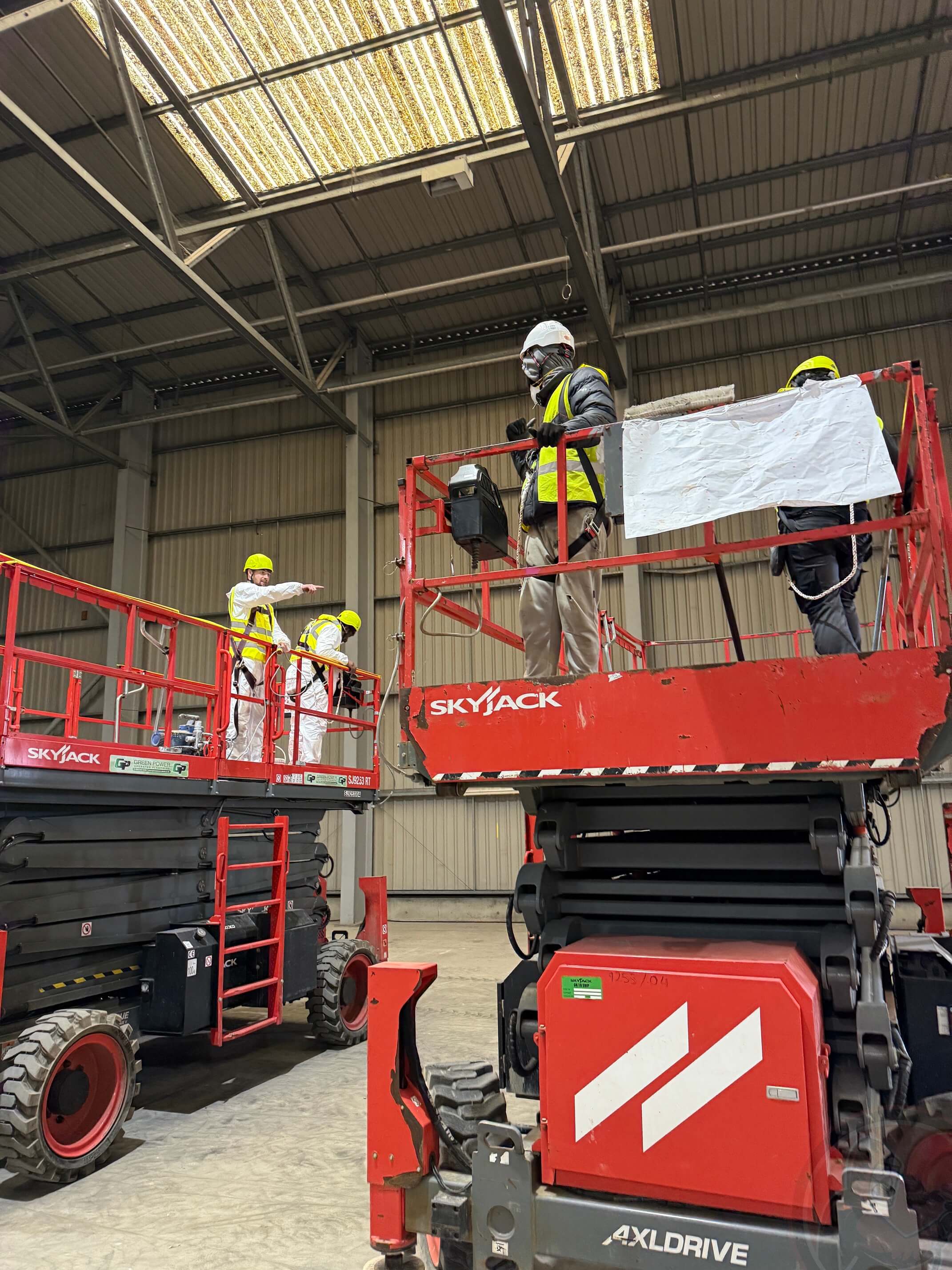
NuColour operatives having their morning toolbox talk

Essential Fire Detection and Suppression Systems

When you're working on a live construction site, having the right fire detection and suppression systems in place isn't just a good idea, it's a necessity. These systems act as your eyes and ears, spotting trouble early and giving everyone a chance to react. They're about more than just ticking boxes; they're about keeping people safe and the project on track.

Scalable Fire Detection and Alarm Systems

On a busy construction site, a simple shout of 'fire' might not cut it. As sites grow, so does the risk. You need a system that can grow with the project. For smaller jobs, a standalone unit might do the trick, but for larger, more complex sites, you'll want a proper fire detection and alarm system. This usually means having call points and sounders, often called site alarms. On higher-risk sites, where a fire could get going unnoticed, you might need detectors linked to the main alarm. These systems can be wired or wireless, and importantly, they can be adapted as the site changes. It’s all about making sure everyone hears the alarm, no matter where they are.

Selecting Appropriate Fire Extinguishers

Choosing the right fire extinguishers is key, and it really depends on what you're working with on site. You wouldn't use the same extinguisher for a wood fire as you would for an electrical fault.

Here's a quick rundown:

  • Class A: For ordinary combustibles like wood, paper, and textiles. Water, water mist, or foam are usually good choices here.
  • Class B: For flammable liquids such as petrol or paint. Foam, dry powder, or dry water mist are suitable.
  • Class C: For electrical fires. CO2 or dry powder extinguishers are often recommended, but always check they're rated for electrical use (often indicated as 'dielectrically tested').

It's vital to have extinguishers rated for the specific risks present on your site. For general use, multipurpose extinguishers are available. Remember to check their ratings. For outdoor sites, consider weatherproof options like the P50 extinguishers, which are service-free and only need an annual visual check by staff. This can save a lot of hassle and cost compared to traditional extinguishers requiring professional servicing. You can find more detailed guidance on selection and placement in standards like BS 5306-8.

Maintaining Fire Watch Protocols

Fire watch isn't just about having extinguishers ready; it's an active process. When hot work, like welding or grinding, is being done, a fire watch is absolutely critical. This involves:

  • Constant Vigilance: A designated person must monitor the area where hot work took place for a specified period after the work stops. This 'cooling down' period is crucial.
  • Hazard Identification: The fire watch should be actively looking for any signs of smouldering or potential ignition.
  • Immediate Action: If a fire starts, the fire watch should be ready to use an extinguisher or raise the alarm.
  • Documentation: It's important to document these patrols, usually at least once every hour, to show that safety procedures are being followed. This record-keeping is a key part of site safety management.

Having robust fire detection, the right suppression tools, and vigilant fire watch protocols are not optional extras on a construction site. They form a critical layer of protection, helping to prevent small incidents from becoming major disasters and keeping the project moving forward without costly delays. It's about being prepared and proactive, not just reactive.

For specialist fire protection solutions tailored to live construction environments, consider looking into services that understand the unique challenges of working in live environments.

Ensuring Safe Access and Egress

Getting people out of a building safely if there's a fire is obviously a big deal, and it's no different on a live construction site. We're talking about making sure everyone, whether they're workers, visitors, or even the public nearby, can get to safety without any fuss. This means planning escape routes from the get-go and keeping them clear.

Designing Clear Emergency Routes and Exits

Think of it like this: if a fire kicks off, people need a straightforward path away from danger. This isn't just about having doors; it's about having enough of them, and making sure they lead somewhere safe. On a busy site, with materials piled up and temporary structures everywhere, it's easy for these routes to get blocked. We need to be really strict about keeping them clear. This involves regular checks and making sure everyone on site knows what the designated escape routes are.

  • Regular patrols to check for obstructions.
  • Clear designation of all emergency exits.
  • Ensuring routes are wide enough for the expected number of people.

Signage and Lighting for Escape Paths

Even the clearest route is no good if people can't see it, especially when smoke might be around or it's dark. That's where good signage and lighting come in. We need signs that clearly point the way to exits, and these should be visible from a distance. Emergency lighting is also a must. This isn't just about general site lighting; it's about specific lights that kick in if the main power fails, illuminating the escape paths and any steps or changes in level. This is particularly important for any temporary structures.

Temporary Stairways and Fire Separation

When you're building upwards, temporary staircases become a necessity. These need to be safe and, importantly, protected from fire as much as possible. Ideally, they should lead directly outside to open air. If a temporary stair is close to parts of the building that are still under construction, especially if those areas have a higher risk of fire, we need to think about fire separation. This might mean using materials with a fire resistance rating to shield the escape route from potential flames or heat. It’s about creating a safe corridor for people to get out, even while the building itself is still a work in progress.

Keeping escape routes clear and well-lit isn't just a tick-box exercise; it's a fundamental part of protecting lives on site. Any blockage or poor visibility can turn a manageable situation into a serious incident very quickly.

Special Considerations for Intumescent Coatings Live Construction Site

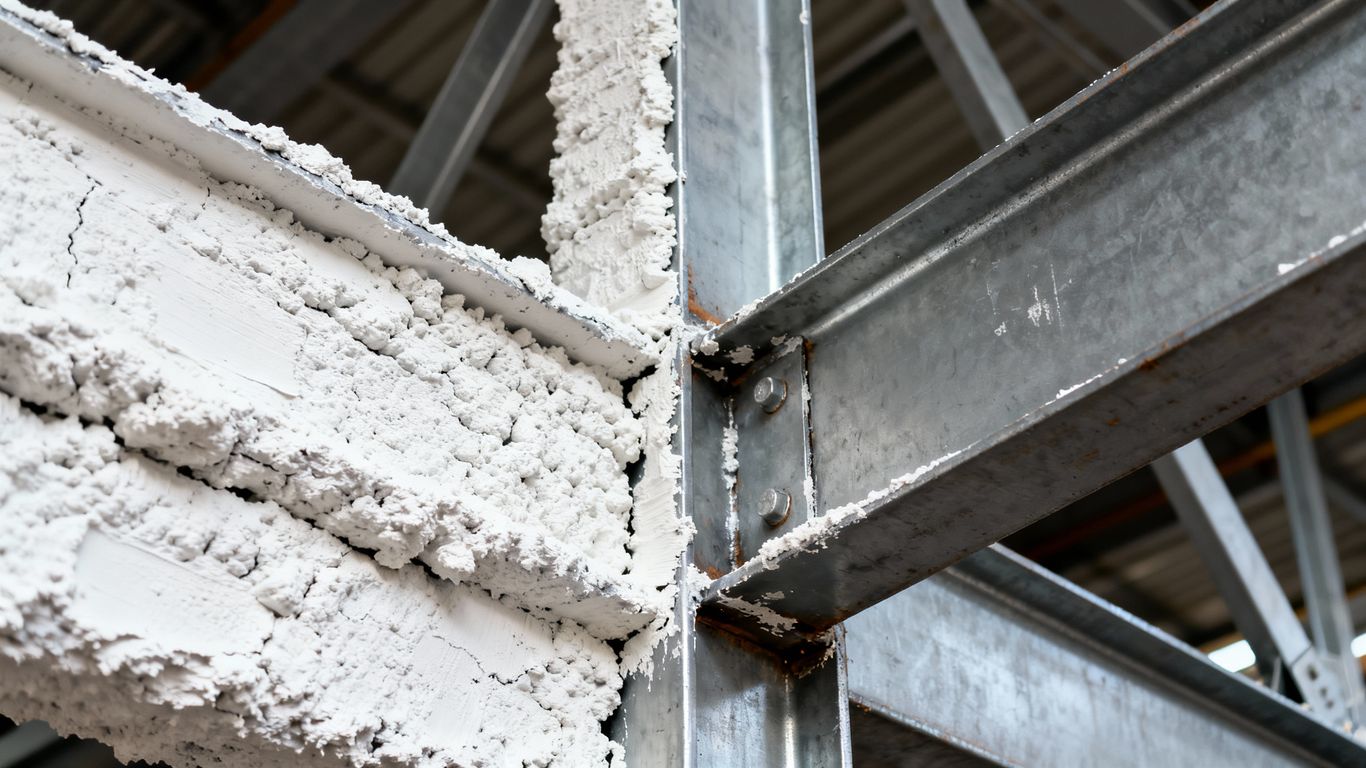
Working with intumescent coatings on a live construction site brings its own set of challenges. These coatings are designed to protect structural steel from fire by expanding and forming an insulating layer when exposed to heat. However, their application and protection during the construction phase require careful planning to avoid damage and ensure they perform as intended when needed.

Application Techniques for Intumescent Coatings

Applying intumescent coatings on-site can be tricky. Unlike a controlled factory environment, construction sites are exposed to the elements and ongoing work. It's important to ensure the steel surface is properly prepared – clean, dry, and free from contaminants like dust, oil, or rust. The application method, whether spraying, brushing, or rolling, needs to be suitable for the specific product and site conditions. Consistency in thickness is absolutely key for the coating to provide the correct fire rating.

  • Surface Preparation: Thorough cleaning and priming are vital.
  • Environmental Control: Protect from rain, wind, and extreme temperatures during application.
  • Thickness Control: Use gauges to ensure the wet film thickness (WFT) and dry film thickness (DFT) meet specifications.

Protecting Applied Coatings During Construction

This is where things can get a bit messy. Once the intumescent coating is applied, it's surprisingly delicate until fully cured. It's susceptible to damage from other trades, material handling, and general site traffic. You'll often see steelwork being erected, clad, or having services run around it, all of which can scuff, chip, or even remove the coating. This is why a robust protection strategy is needed. Think temporary coverings, careful material staging, and clear communication with all site personnel about the sensitivity of the coated steel. Sometimes, it's more practical to apply coatings off-site in a factory setting, which offers better quality control and can speed up project completion.

Inspection and Certification of Intumescent Systems

Before the building is handed over, the intumescent coating system needs to be thoroughly inspected and certified. This isn't just a quick look-over. It involves checking the applied thickness against the design specifications, verifying the correct product was used, and confirming that any damage has been properly repaired. A competent third-party inspector or a certified applicator usually carries out this process. They'll provide documentation that proves the system meets the required fire resistance standards. This certification is a critical step in the overall fire safety strategy for the building.

Proper documentation and sign-off are non-negotiable. Without it, the fire protection provided by the intumescent coating might not be legally recognised or effective in a real fire scenario. This can have serious implications for building safety and insurance.

Training and Communication for Site Safety

Look, keeping a construction site safe, especially when it's live and people are working around, isn't just about having the right gear. It's a lot about making sure everyone knows what they're doing and talks to each other. If folks aren't clued up on fire risks or what to do when things go wrong, it’s a recipe for disaster. A well-informed team is a safer team.

nucolour op putting a harness on

Educating Workers on Fire Hazards

First off, everyone on site needs to get the basics. This means understanding what can actually start a fire – think sparks from welding, faulty electrics, or even just piles of rubbish left lying around. It’s also about knowing what burns easily, like timber, packaging, or certain chemicals. We need to make sure people know about spontaneous combustion too, especially with oily rags or certain stored materials. It’s not rocket science, but it does require a bit of attention.

Here’s a quick rundown of common hazards:

  • Ignition Sources: Hot work (welding, grinding), open flames, electrical faults, smoking.
  • Fuel Sources: Timber, insulation, packaging, waste materials, flammable liquids.
  • Oxygen: Always present, but can be increased by ventilation.

Training for Fire Watch and Extinguisher Use

Beyond just knowing the risks, some people need specific training. Fire watch duties are vital, especially during and after hot work. These individuals need to know how long to monitor an area and what signs of smouldering to look out for. Then there’s using fire extinguishers. It’s not just grabbing the nearest one; people need to know which type to use for different fires (Class A, B, C, etc.) and how to operate them safely. A quick demonstration can make a huge difference. You can find more on selecting the right extinguishers from resources like BS 5306-8:2012.

Clear Communication of Emergency Procedures

Finally, everyone needs to know the plan. What do you do if you see a fire? Where are the nearest exits? Who do you report it to? This needs to be communicated clearly and often. Emergency routes should be marked, and everyone should know what the signs mean. Regular toolbox talks are a good way to go over this, and any changes to the site layout or procedures should be communicated immediately. It’s about making sure that in a stressful situation, people don't just freeze; they know the steps to take to get themselves and others to safety.

Effective communication isn't a one-off event. It's an ongoing process that involves regular updates, clear signage, and accessible information for all personnel on site. This proactive approach helps to build a strong safety culture where everyone feels responsible for fire prevention and response.

Wrapping Up: Keeping Sites Safe and On Track

So, we've looked at how to keep building sites safe from fire, even when things are busy and changing all the time. It's not just about ticking boxes; it's about really thinking about what could go wrong and putting simple, sensible steps in place. From managing waste properly and keeping hot work under control to having the right temporary fire doors and alarms, it all adds up. By being proactive and making fire safety a normal part of the day-to-day running of a site, we can avoid those costly disruptions and, more importantly, keep everyone safe. It’s about making sure the project finishes on time and without any nasty surprises.

Frequently Asked Questions

What are the main fire dangers on a building site?

Building sites can be risky places for fires. Things like sparks from tools, temporary heaters, electrical problems, and lots of flammable stuff like wood, packaging, and paint can all easily start a fire. It's like a perfect storm for flames if things aren't managed carefully.

Why are fires on construction sites so bad?

Fires on building sites can cause huge problems. They can hurt or even kill people, destroy the building work, cost a fortune in repairs and delays, and even ruin a project completely. Because fire alarms and sprinklers might not be working yet, fires can spread really fast.

What's a 'hot work permit' and why is it needed?

A 'hot work permit' is like a special permission slip for jobs that create sparks or heat, like welding or grinding. It makes sure everyone knows the risks, takes steps to stop fires (like clearing flammable stuff nearby), and has a plan for what to do if a fire does start. It's a way to be extra careful.

How do temporary fire doors help?

Temporary fire doors are put in place to stop fires from spreading while the building is still being worked on. They act like a temporary wall that can hold back flames for a certain amount of time, giving people a chance to get out safely and protecting different parts of the site.

What is a 'fire watch'?

A 'fire watch' is when someone is specifically assigned to keep an eye out for fires, especially after hot work has finished or during times when the site is less busy. They need to have fire-fighting gear ready and know how to use it, just in case a small spark turns into a bigger problem.

How can we stop fires from happening on site in the first place?

The best way is to be smart about two main things: ignition sources (like sparks, flames, and electricity) and fuel (like rubbish, wood, and packaging). By keeping these under control – for example, by cleaning up waste regularly, managing hot work carefully, and checking electrical gear – you massively reduce the chance of a fire starting.

From the founder

“After a decade in the protective coatings industry, I built FireCoatings to deliver compliant fire protection without unnecessary noise — just clear communication, a controlled application process, and professional site practice.”

Myles Howson
Managing Director
eyebrow
"Thank you Myles and team for all your hard work on this one. It wasn't easy working around the schedule but you got it done without causing any further issues. It was a pleasure to work with you."
Chris
Project Manager, Millcroft Services
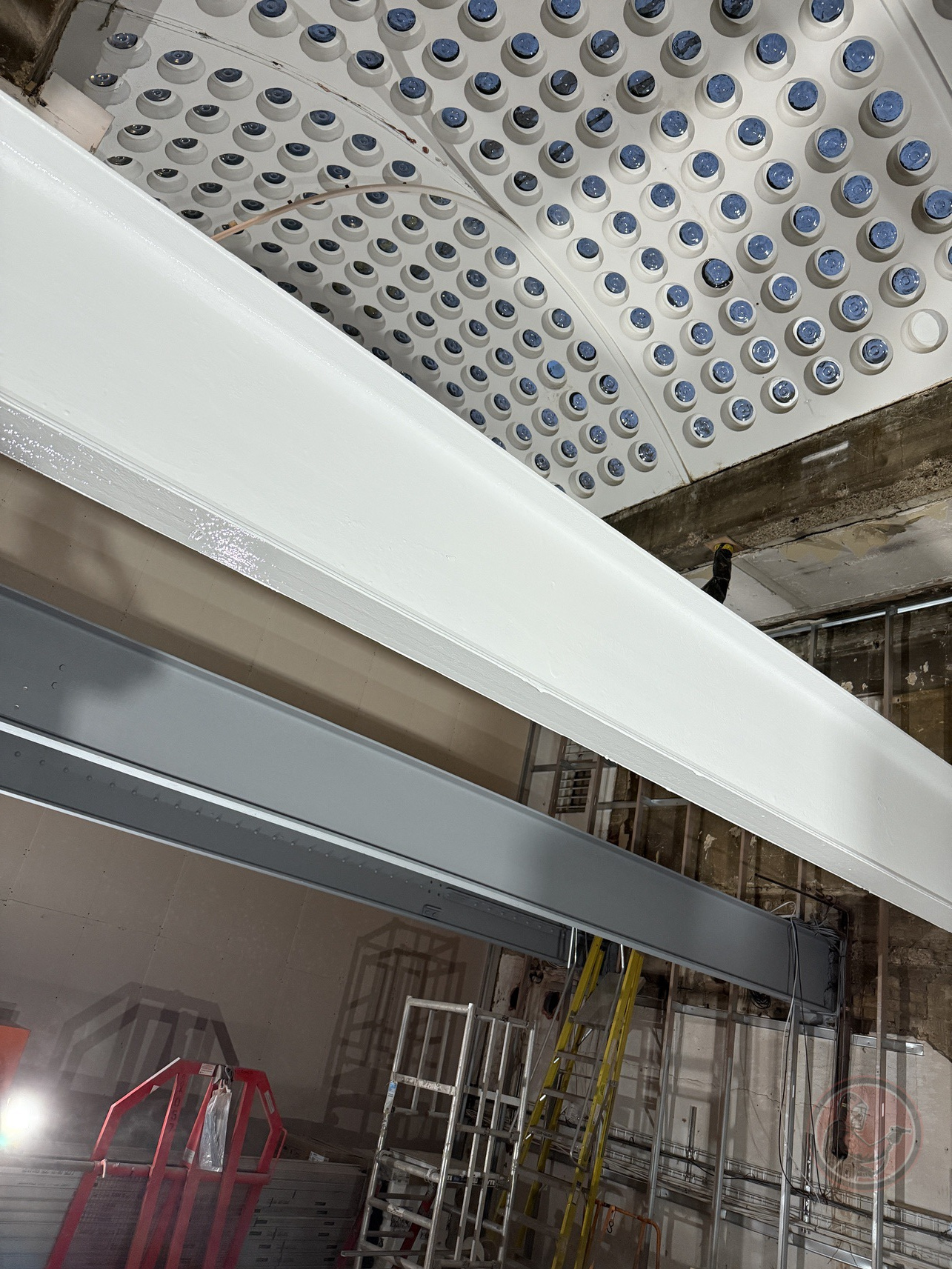
Interior view of a construction site featuring steel beams and columns painted with white protective coating and temporary support props.
eyebrow
"NuColour worked efficiently around our programme and delivered a on time at late notice. The team were organised, flexible, and professional throughout the works."
Ciprian
Site Manager, Principal Contractor – GEMCO
Close-up of a bright yellow structural steel column with rivets installed on a construction site indoors.