January 6, 2026

Mechanical Abrasion vs Abrasive Blasting for Fire Protection Works

When it comes to preparing surfaces for fire protection works, two main methods often come up: mechanical abrasion and abrasive blasting. While they might sound similar, they're actually quite different, and picking the right one is pretty important for making sure your coatings stick properly and do their job. Think of it like prepping a wall before you paint it – you wouldn't just slap paint on a dirty, uneven surface, right? It's the same idea, but with much higher stakes when fire protection is involved. This article looks at the differences between mechanical abrasion vs abrasive blasting and why it matters for your projects.

Key Takeaways

  • Abrasive blasting uses high-speed particles, often propelled by air, to clean and prepare surfaces, while mechanical abrasion might involve tools that spin or grind.
  • The type of abrasive media used in blasting significantly impacts the surface finish and its suitability for different coatings.
  • Proper surface preparation, often achieved through abrasive blasting, is vital for meeting compliance standards in fire protection works and ensuring coating adhesion.
  • Safety is a major concern with abrasive blasting, particularly regarding dust inhalation and eye/skin protection, necessitating the use of modern techniques and personal protective equipment.
  • Choosing between methods depends on project needs, considering surface requirements, scale, and cost-effectiveness to balance performance and budget.

Understanding Mechanical Abrasion vs Abrasive Blasting

Right then, let's get stuck into the nitty-gritty of surface preparation. When we talk about getting surfaces ready for fire protection, especially for things like intumescent coatings, we're often looking at two main approaches: mechanical abrasion and abrasive blasting. They sound similar, and honestly, they both involve using some sort of abrasive material to clean up a surface, but there are some pretty important differences to get your head around.

Defining Abrasive Blasting Techniques

Abrasive blasting, in its broadest sense, is about using a high-velocity stream of abrasive material to clean, roughen, or prepare a surface. Think of it like a really intense, controlled form of sanding or scouring. The most common way this is done is by propelling these abrasive particles using compressed air. This is what most people picture when they hear the term. However, it's not the only way. Some systems use mechanical means, like spinning wheels, to fling the abrasive material at the surface. So, while air-powered blasting is very common, mechanical wheel blasters are also out there doing the job.

The Evolution from Sandblasting to Abrasive Blasting

Many people still use the term 'sandblasting', and it's easy to see why – it's been around for ages. But here's the thing: using actual sand, especially silica sand, is becoming less common, and for good reason. Silica dust is a serious health hazard, leading to nasty lung conditions like silicosis. Because of these risks, most modern operations have moved away from sand and now use a whole range of other materials – things like garnet, slag, or even specialised composite particles. Because of this shift, 'abrasive blasting' is a more accurate and encompassing term for what's happening today. If you're not using sand, then calling it sandblasting just isn't quite right.

Distinguishing Between Shot Blasting and Grit Blasting

Within the world of abrasive blasting, two terms you'll hear a lot are 'shot blasting' and 'grit blasting'. The main difference really comes down to the shape of the abrasive material used.

  • Shot blasting uses small, spherical (round) pieces of steel. Because they're round, they tend to smooth and polish the surface rather than aggressively removing material. It's often used for cleaning and surface hardening.
  • Grit blasting, on the other hand, uses angular, sharp-edged particles. These are much more aggressive and are brilliant for creating a rougher surface texture. This texture, or 'profile', is often exactly what you need to help coatings stick properly.

Here's a quick rundown:

| Feature | Shot Blasting | Grit Blasting |
| Abrasive Material | Spherical steel shots | Angular particles (e.g., sand, aluminium oxide) |
| Surface Finish | Smoother, polished | Rougher, textured |
| Primary Use | Cleaning, peening, surface hardening | Surface profiling for coatings, aggressive cleaning |

So, while both are forms of abrasive blasting, the specific type of abrasive – round shot versus angular grit – makes a big difference to the outcome on the surface.

Surface Preparation For Fire Protection Works

Achieving Compliance Through Surface Preparation

Getting surface preparation right is absolutely key when you're dealing with fire protection works. It's not just about making things look neat; it's about making sure the protective systems actually do their job when they're needed most. Think about it – a fire protection coating, like an intumescent paint, needs a solid foundation to stick to and perform effectively. If the surface underneath is dirty, rusty, or has old, flaky paint, the new coating won't bond properly. This can lead to premature failure, which is the last thing you want when safety is on the line. Meeting industry standards and manufacturer guidelines often hinges on achieving a specific level of surface cleanliness and texture, and this is where proper preparation comes in.

Preparing Steel For Intumescent Coatings

When it comes to steel structures that need fire protection, the surface preparation is a bit of a science. You're aiming for a surface that's not just clean, but also has the right 'profile' for the intumescent coating to grip onto. This profile is essentially a pattern of tiny peaks and valleys created on the steel surface. Too smooth, and the coating might not stick well. Too rough, and you might use more coating than you need, or it might not apply evenly. Abrasive blasting is often the go-to method here because it can effectively remove all traces of rust, mill scale (that flaky stuff that forms on steel during manufacturing), and old coatings, while simultaneously creating that all-important surface profile. Different blasting methods and media can achieve different profiles, so choosing the right one is important.

Ensuring Coating Adhesion and Longevity

Ultimately, good surface preparation is all about making sure the fire protection coating sticks properly and lasts for its intended lifespan. A well-prepared surface means the coating can form a strong mechanical bond with the steel. This prevents issues like peeling, blistering, or delamination down the line. When coatings fail, it's often because the surface wasn't prepared correctly in the first place. This can lead to costly repairs, potential safety hazards, and a lot of headaches. So, investing time and effort into getting the surface just right at the start really pays off in the long run, giving you peace of mind that your fire protection measures are as effective as they can be.

Here's a quick rundown of what good preparation helps achieve:

  • Complete removal of contaminants: This includes rust, grease, dirt, and old paint.
  • Creation of a suitable surface profile: This gives the coating something to grip.
  • A clean, dry surface: Moisture can interfere with coating application and performance.
  • Compliance with standards: Meeting specifications for cleanliness and texture.

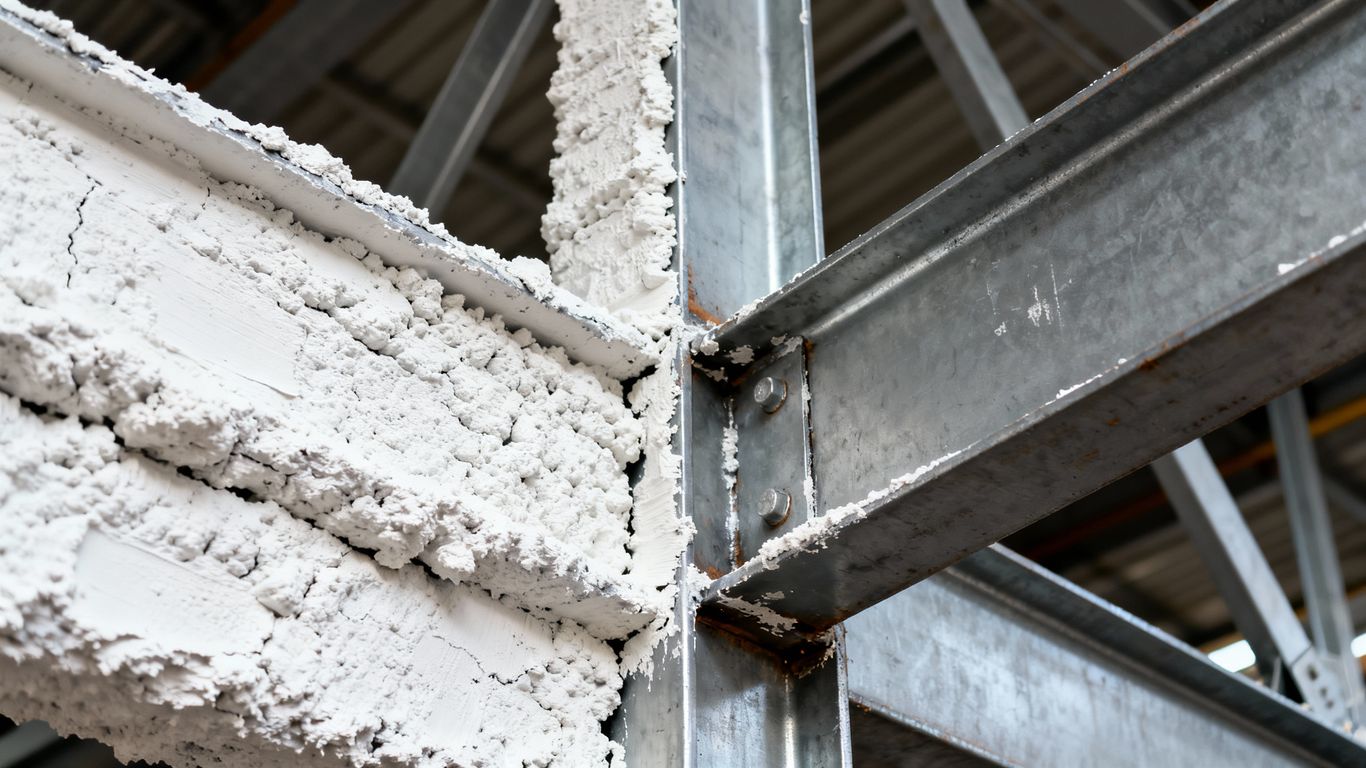
Steel column with failing coating and visible millscale.

Key Differences in Mechanical Abrasion vs Abrasive Blasting

Right, so we've talked about getting surfaces ready for fire protection, but how do the actual methods stack up against each other? When we're looking at mechanical abrasion versus abrasive blasting, there are some pretty big differences to get your head around. It's not just about blasting stuff at a wall; there's more to it than that.

Abrasive Media and Their Impact

The main thing that separates these methods is what they use to do the cleaning and profiling. Abrasive blasting, which is the broader term, can use all sorts of things. Think sand, but also things like garnet, coal slag, or even special composite particles. The shape of these bits really matters. Some are angular, like little sharp bits, and these are great for really digging in and creating a rough surface. Others are more rounded, like steel shots, which are used in shot blasting. These round bits tend to smooth things out more.

  • Angular media: More aggressive, creates a rougher profile, good for coating adhesion.
  • Spherical media (shot): Less aggressive, creates a smoother finish, good for cleaning without excessive profiling.
  • Specialised media: Can offer unique properties, like being less toxic or having specific cleaning capabilities.

The choice of abrasive media directly influences the surface profile and the effectiveness of contaminant removal.

Surface Finish and Texture Outcomes

Because of the different media, you get different results on the surface. If you use something like steel shot, you're going to end up with a smoother, more polished look. This might be fine for some jobs, but for fire protection coatings, you usually need a bit of 'tooth' for the coating to grip onto. That's where the angular stuff, the grit, comes in. It leaves a rougher, more textured finish. This texture, often called a 'profile', is what helps the intumescent coating stick properly and last.

Efficiency and Material Consumption

When you're talking about big projects, efficiency is a big deal. Shot blasting, using those reusable steel shots, can be pretty quick and cost-effective for large areas. You don't have to keep buying new media as often. Grit blasting, especially with media that isn't easily reused, can use up more material and might take longer to achieve the desired profile. This means more downtime and potentially higher costs for consumables.

However, for fire protection works, the need for a specific surface profile often means that the slightly slower, more material-intensive process of grit blasting is actually the more appropriate choice, even if it seems less efficient on the surface.

It's a bit of a trade-off, really. You want it done fast, but you also need it done right, especially when it comes to safety systems like fire protection.

Applications in Infrastructure Projects

Enhancing Durability of Public Assets

Infrastructure assets, like bridges, pipelines, and public buildings, are constantly battling the elements. Think about it: rain, sun, traffic vibrations, and even chemical spills can all take their toll. Without proper maintenance, even the toughest steel and concrete structures won't last as long as they should. This is where abrasive blasting really steps in. It's not just about making things look pretty; it's about creating a solid foundation for protective coatings. These coatings are what really keep the rust and decay at bay, extending the life of these vital public assets. When you get the surface prep right, you're setting yourself up for fewer repairs down the line and a longer service life for the whole structure.

Supporting Specialised Protective Systems

Modern infrastructure often needs more than just a coat of paint. We're talking about specialised systems designed for really tough conditions – think fireproofing for steel structures, or heavy-duty linings for chemical tanks. These systems have to perform perfectly, especially when safety is on the line. Abrasive blasting is often the only way to get the surface just right for these advanced coatings to stick properly and do their job. It removes all the gunk – rust, old paint, mill scale – and leaves a clean surface with the right texture, or 'profile', for the new coating to grip onto. Without this, the fancy coating might as well be useless.

Facilitating Accurate Inspections and Assessments

It's hard to know what's really going on with a structure if it's covered in dirt, rust, or old, peeling paint. Inspectors need to see the bare metal or concrete to spot any hidden problems, like cracks or early signs of corrosion. Abrasive blasting strips all that away, giving a clear, uniform surface. This makes it much easier to find any issues early on.

Here's a quick rundown of why clean surfaces are so important for inspections:

  • Clearer Visibility: Weld seams, joints, and material connections are easily seen.
  • Fault Detection: Layers that might hide early-stage damage are removed.
  • Testing Readiness: Surfaces are prepped for non-destructive testing methods that require a bare surface.

Getting a clean slate through blasting means asset managers can make better decisions based on accurate information. It also helps tick the boxes for regulatory checks and reduces the chance of missing something that could lead to a bigger problem later.

Improving Longevity and Reducing Costs

When you prepare a surface properly using abrasive blasting, the protective coatings applied afterwards tend to last much longer. This means less frequent maintenance, fewer costly shutdowns for repairs, and ultimately, a better return on investment for large infrastructure projects. It's a bit like building a house – a strong foundation means the whole thing stands up better over time. For things like bridges, pipelines, and water treatment plants, this extended lifespan is a massive benefit, saving money and minimising disruption for everyone.

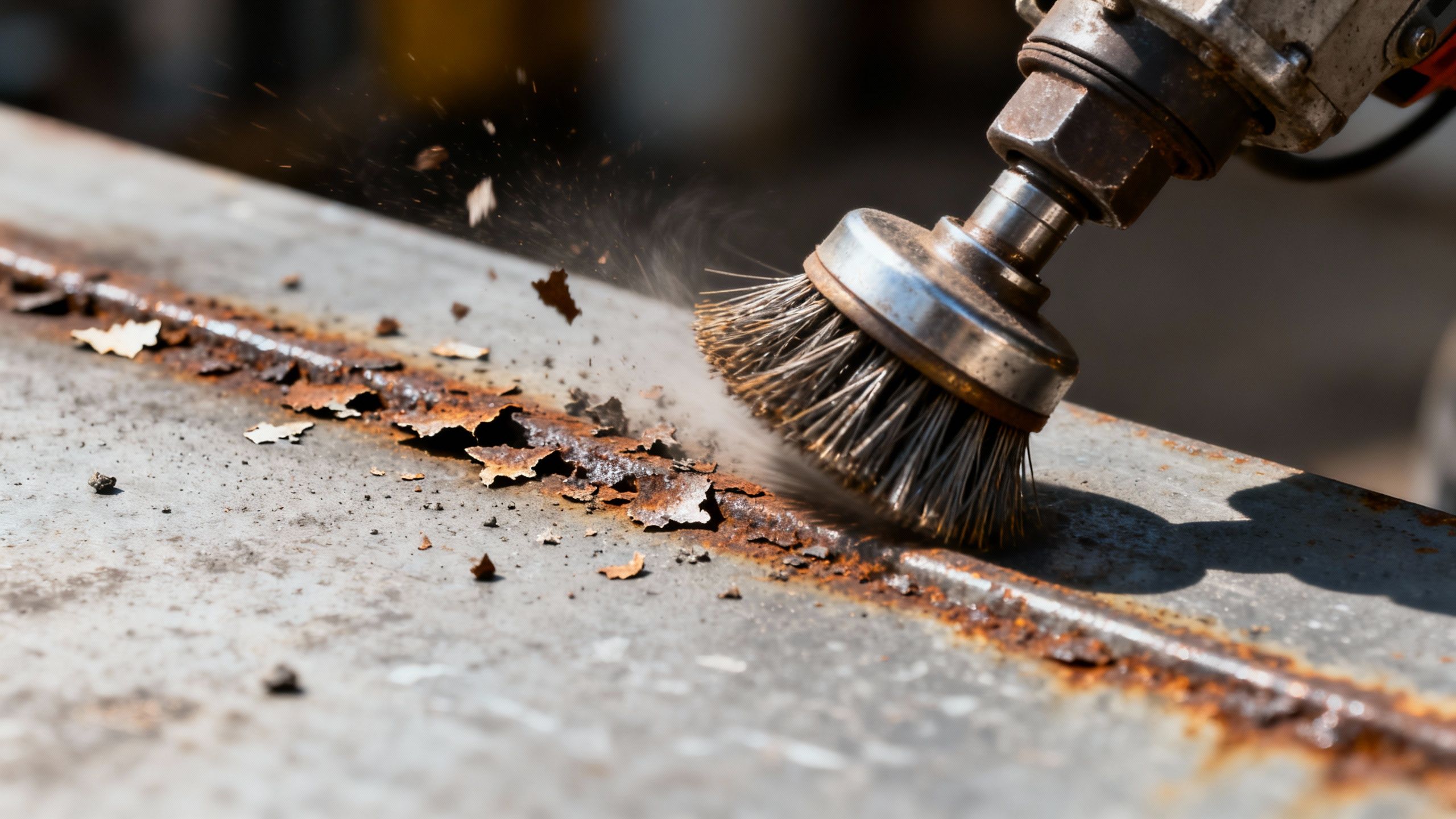
Surface preparation contrast: mechanical abrasion versus abrasive blasting.

Safety Considerations in Surface Preparation

Health Hazards Associated with Abrasive Media

Working with abrasive blasting, whether it's mechanical abrasion or high-pressure blasting, definitely comes with its own set of risks. The main concern is the dust generated. Depending on the media used and what's being blasted off the surface, this dust can contain some nasty stuff. Think silica from sand, heavy metals from old paint, or even asbestos if you're dealing with older structures. Breathing this in over time can lead to serious lung conditions, some of which are irreversible. It's not just about the media itself, but also what it's removing. Proper containment and personal protective equipment (PPE) are absolutely non-negotiable.

Mitigating Risks with Modern Techniques

Thankfully, things have moved on from just blasting away with little regard for safety. Modern abrasive blasting techniques focus heavily on risk reduction. For starters, there's a big push towards using less hazardous abrasive media. Things like slag, glass beads, or even walnut shells are becoming more common alternatives to silica sand. When silica is unavoidable, wet blasting methods are a game-changer. They use water to suppress dust, drastically cutting down airborne particles. Automated or remote-controlled blasting equipment also means operators can be further away from the immediate dust cloud, minimising exposure. Regular equipment maintenance is also key to prevent leaks and ensure systems are working as they should.

Ensuring Safe Coating Application

Once the surface is prepped, the safety focus shifts slightly to the coating application itself. The goal is to create a safe environment for the workers applying the coatings and to ensure the coating itself doesn't introduce new hazards. This means:

  • Ventilation: Making sure the area is well-ventilated, especially if working in confined spaces. This helps dissipate any fumes from the coatings.
  • PPE: Workers need the right gear, not just for dust, but also for chemical protection against the coating materials.
  • Environmental Controls: Keeping the temperature and humidity within the coating manufacturer's recommended range is important for both safety and the coating's performance. Applying coatings in unsuitable conditions can lead to failures that compromise the protective system.

The integrity of fire protection works hinges on every step, and surface preparation is no exception. A poorly prepared surface doesn't just affect how well a coating sticks; it can create hidden dangers that only become apparent when it's too late. Prioritising safety throughout the preparation and application process isn't just about following rules; it's about safeguarding lives and assets.

Choosing the Right Method for Your Project

So, you've got a fire protection job lined up, and you're wondering whether mechanical abrasion or abrasive blasting is the way to go for surface prep. It's not a one-size-fits-all situation, you know? The best choice really boils down to what you're trying to achieve with the surface and the scale of your project. Let's break it down a bit.

Evaluating Surface Requirements

First off, what kind of surface are you aiming for? This is probably the biggest question. If you need a really smooth, almost polished finish, maybe for certain aesthetic reasons or specific coating types, one method might be better than the other. On the flip side, if you need a rougher, more textured surface to help a coating really grip on tight, that points you in a different direction. Think about the final look and, more importantly, the performance needed from the coating.

  • Smooth Finish: Often achieved with methods that use more rounded media, like shot blasting. Good for cleaning and some finishing tasks.
  • Textured Finish: Typically the goal when preparing for coatings. Angular media, like in grit blasting, creates a profile that helps adhesion.
  • Contaminant Removal: Both methods are good at this, but the aggressiveness needed will influence the choice.

Considering Material and Project Scale

What are you actually working on, and how big is it? If you're dealing with massive steel structures, like bridges or large tanks, efficiency and the ability to reuse media become really important. This is where something like shot blasting might shine because the steel shots can be used over and over. For smaller, more intricate parts, or when you need a very specific surface profile on materials other than just steel, grit blasting might offer more control.

Here's a quick look at how scale can influence things:

Balancing Cost-Effectiveness and Performance

Cost is always a factor, right? Shot blasting, with its reusable media, can often be more cost-effective for big jobs over the long haul. You buy the media once, and it lasts. Grit blasting, especially with certain types of media that wear down faster, might have higher ongoing material costs. However, if grit blasting gives you that perfect surface profile that guarantees coating adhesion and longevity, then the initial higher cost could save you a fortune down the line by preventing premature coating failure. It's about looking at the total cost, not just the upfront price.

Sometimes, the cheapest option upfront ends up costing more in the long run if it doesn't do the job properly. For fire protection, where performance is non-negotiable, getting the surface prep right the first time is key to avoiding costly rework or, worse, a system that doesn't perform when needed.

So, What's the Verdict?

Right then, we've looked at mechanical abrasion and abrasive blasting for fire protection works. It's pretty clear that abrasive blasting, especially with modern, safer media, is generally the way to go for serious jobs. It really gets surfaces ready properly, making sure coatings stick well and last ages. This means less hassle down the line, fewer repairs, and your infrastructure stays safer for longer. While mechanical methods have their place, for the tough jobs where fire protection is key, blasting just seems to tick more boxes. It helps meet all those important standards and keeps things running smoothly. So, if you're dealing with big projects, getting the surface prep right with abrasive blasting is a smart move.

Frequently Asked Questions

What's the main difference between mechanical abrasion and abrasive blasting?

Think of it like this: abrasive blasting uses a powerful stream of tiny, hard bits (like sand or metal pieces) shot at high speed to clean or roughen a surface. Mechanical abrasion is a broader term that can include things like using wire brushes or sandpaper, which are more like rubbing or scraping. Abrasive blasting is generally more powerful and quicker for big jobs.

Why is surface preparation so important for fire protection works?

Getting the surface just right is super important because it's like making sure the foundation of a house is solid before you build on it. For fire protection, like special paints that swell up when hot, the surface needs to be perfectly clean and have the right texture so the paint sticks properly and works when it's needed most. It helps make sure the safety gear does its job.

Is 'sandblasting' the same as 'abrasive blasting'?

People often use 'sandblasting' to mean any kind of blasting, but it's not quite the same. Real sandblasting uses sand, which can be harmful to breathe in. Modern 'abrasive blasting' uses lots of different materials, like tiny metal bits, special minerals, or even plastic, which are often safer and work better. So, 'abrasive blasting' is the more accurate and modern term.

What kind of surface finish do you get from each method?

Abrasive blasting, especially with rounder materials like steel shot, often leaves a smoother, cleaner finish. Grit blasting, which uses sharp, angular bits, tends to create a rougher texture. This rougher surface is often better for helping special coatings stick really well, which is important for protecting things from rust or fire.

Are there safety risks involved with abrasive blasting?

Yes, there can be. The biggest risks are breathing in the dust created, especially if harmful materials are used, and getting hit by flying particles. That's why workers need to wear special masks, eye protection, and protective clothing. Using safer blasting materials and good ventilation helps a lot to keep everyone safe.

Which method is better for large construction projects?

For big jobs like bridges or buildings, abrasive blasting is usually the go-to. It's faster and more effective at cleaning large areas and preparing surfaces for protective coatings. Plus, many abrasive blasting services are mobile, meaning they can come to the project site, saving time and hassle.

From the founder

“After a decade in the protective coatings industry, I built FireCoatings to deliver compliant fire protection without unnecessary noise — just clear communication, a controlled application process, and professional site practice.”

Myles Howson
Managing Director
eyebrow
"Thank you Myles and team for all your hard work on this one. It wasn't easy working around the schedule but you got it done without causing any further issues. It was a pleasure to work with you."
Chris
Project Manager, Millcroft Services
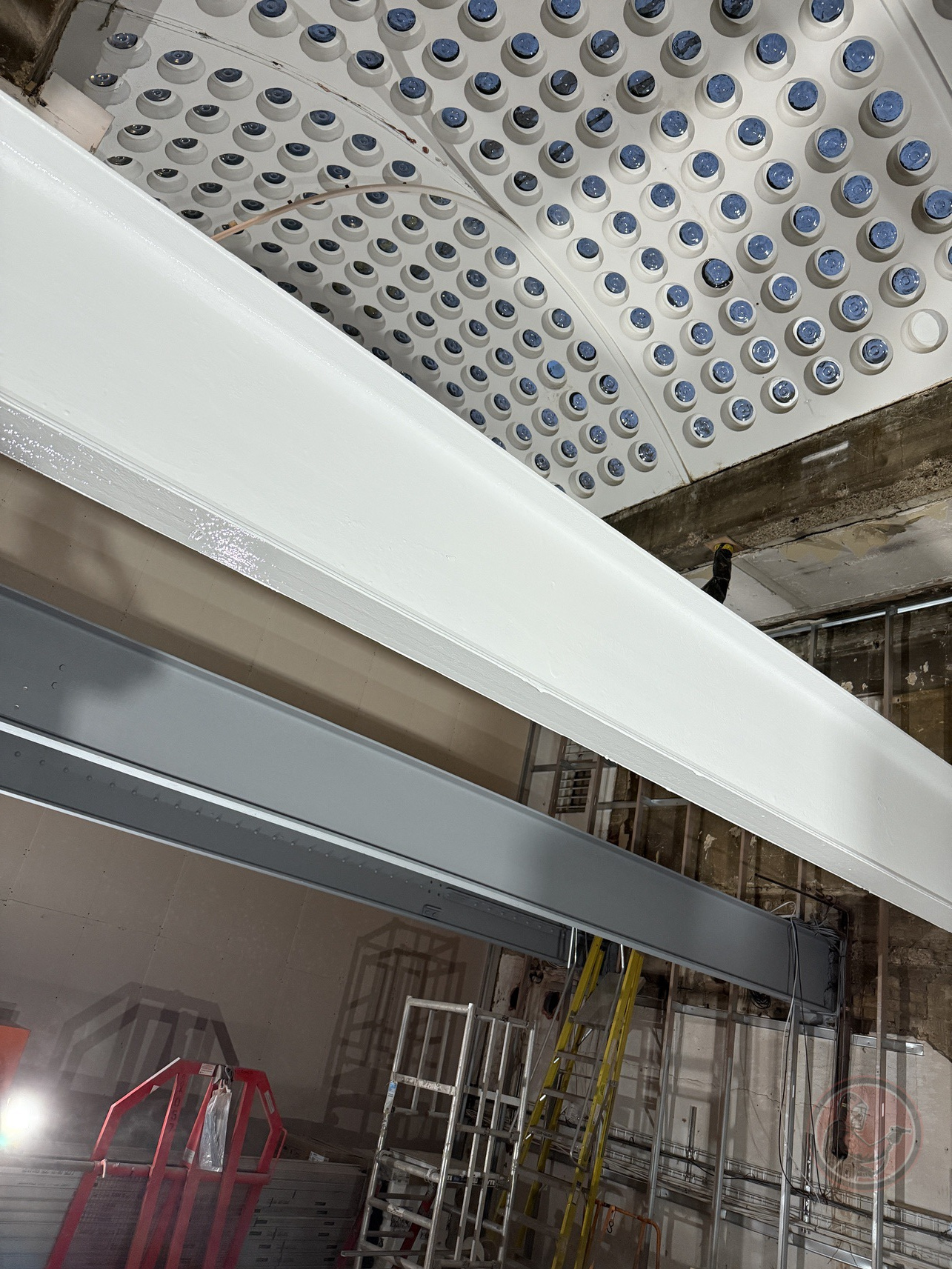
Interior view of a construction site featuring steel beams and columns painted with white protective coating and temporary support props.
eyebrow
"NuColour worked efficiently around our programme and delivered a on time at late notice. The team were organised, flexible, and professional throughout the works."
Ciprian
Site Manager, Principal Contractor – GEMCO
Close-up of a bright yellow structural steel column with rivets installed on a construction site indoors.