January 6, 2026

When Is Dry Ice Blasting the Right surface preparation method for intumescent coating Projects?

before and after dry ice blasting steel surface preperation

When it comes to getting surfaces ready for intumescent coatings, there are a few ways to go about it. You've got your standard methods, and then there's dry ice blasting. But is it always the best choice? Let's break down when this high-tech method really shines and when you might want to stick with something more traditional.

Key Takeaways

  • Dry ice blasting is great for cleaning surfaces without leaving behind any secondary waste, like grit or dust, which is a big plus for sensitive areas.
  • It's a non-abrasive method, meaning it won't damage delicate substrates, making it suitable for intricate machinery or historical items.
  • Unlike water jetting, dry ice blasting doesn't introduce moisture, avoiding issues like rust or damage to water-sensitive materials.
  • While effective, dry ice blasting might not always create the same kind of surface profile needed for certain heavy-duty coatings compared to abrasive blasting.
  • The decision to use dry ice blasting should be based on a careful look at the specific surface, the type of dirt or rust you need to remove, and any environmental or operational limits.

Understanding Surface Preparation Goals

Right then, before we even think about dry ice blasting for intumescent coatings, we need to get our heads around why surface preparation is such a big deal in the first place. It's not just about making things look pretty; it's about making sure the coating actually does its job and sticks around.

Achieving Optimal Cleanliness

First off, we're aiming for a spotless surface. Think of it like trying to stick a poster onto a wall that's covered in dust and cobwebs – it's just not going to hold. The same applies to coatings. Any old paint, rust, grease, oil, or even just plain old dirt can act as a barrier. This means the new coating won't bond properly to the actual metal or surface underneath. This can lead to all sorts of problems down the line, like the coating peeling off or, worse, corrosion starting up right underneath it. We need a surface that's completely free from anything that could get in the way of a good, strong bond.

Creating the Necessary Surface Profile

Beyond just being clean, the surface needs a bit of 'tooth' or texture. This is what we call the surface profile. It's like giving the coating something to grip onto, a bit like sandpaper gives you more friction than a polished surface. Without the right profile, the coating might stick initially, but it won't have the mechanical strength to last. We're looking for a specific level of roughness, often measured in mils or microns, depending on what the coating manufacturer recommends. Too smooth, and the coating can slide off. Too rough, and you might end up using more coating than you need, or it could even cause issues with the coating's performance.

Here's a quick rundown of what we're trying to achieve:

  • No Contaminants: Absolutely zero grease, oil, dirt, salts, or old coatings.
  • Correct Roughness: A consistent profile that the coating can mechanically key into.
  • Dry Surface: Moisture can be a hidden enemy, leading to adhesion problems or rust.

Getting these two things right – cleanliness and profile – is the bedrock of a successful intumescent coating project. It's the difference between a coating that protects for years and one that fails after a short while, costing a fortune to put right.

When Dry Ice Blasting Excels

Dry ice blasting really shines in situations where other methods just won't cut it. It’s not your go-to for every job, but when the conditions are right, it’s a fantastic option.

Protecting Sensitive Substrates

Sometimes, the surface you're working on is just too delicate for aggressive cleaning. Think intricate machinery with fine parts, electrical components that can’t get wet, or even historical artefacts where preserving the original material is paramount. Dry ice blasting is a non-abrasive method, meaning it cleans without physically scratching or damaging the surface. It works by using the kinetic energy of the dry ice pellets and a thermal shock effect. When the super-cold pellets hit the surface, they sublimate – turning straight from solid to gas. This rapid expansion lifts contaminants away. Because there's no abrasive media left behind, and no moisture, it’s incredibly gentle.

Minimising Secondary Waste

One of the biggest headaches with traditional blasting methods is the mess left behind. Abrasive blasting, for instance, creates a significant amount of spent media (like sand, grit, or shot) mixed with the removed contaminants. This all needs to be collected, disposed of, and often requires special handling. Dry ice blasting, however, leaves virtually no secondary waste. The dry ice pellets sublimate into carbon dioxide gas, which simply dissipates into the atmosphere. This means you're only left with the original contaminants that were removed, making cleanup much simpler and faster. This is a massive advantage on sites where waste disposal is costly or complicated.

Avoiding Moisture-Related Issues

Water is a common cleaning agent, but it can cause all sorts of problems, especially when dealing with metals or sensitive equipment. Rust can form quickly on damp surfaces, and moisture can damage electrical components or seep into areas where it shouldn't be. Dry ice blasting uses solid CO2, which turns into a gas. This means there's no water involved in the process whatsoever. This makes it ideal for cleaning things like electrical panels, control systems, or in environments where water ingress is a serious concern, such as food processing plants or areas where subsequent coatings are highly sensitive to moisture.

The absence of moisture and secondary waste makes dry ice blasting a clean and efficient choice for specific surface preparation challenges, particularly when preserving the integrity of the substrate and minimising site disruption are key priorities.

Comparing Dry Ice Blasting to Other Methods

When you're looking at surface prep for intumescent coatings, it's not a one-size-fits-all situation. You've got a few main players in the game, and each has its own strengths and weaknesses. Dry ice blasting is definitely a contender, but it's good to know how it stacks up against the others.

Abrasive Blasting Considerations

Abrasive blasting, like sandblasting or grit blasting, is probably the most common method out there. It uses particles – think sand, steel grit, or even glass beads – shot at high speed to knock off rust, old paint, and mill scale. It's really effective at creating a rough surface, which is great for helping new coatings stick. However, the downside is that it creates a lot of secondary waste, which can be a real headache to clean up, especially on large projects or in sensitive areas. Plus, depending on the abrasive used, it can be quite aggressive and might not be suitable for delicate substrates.

Here's a quick look:

Ultra-High Pressure Water Jetting Nuances

Then there's ultra-high pressure (UHP) water jetting. This method uses water fired at incredibly high pressures – we're talking thousands of PSI. It's brilliant for stripping away coatings, rust, and grime without using any abrasive media. This means no dust clouds and no leftover abrasive material to worry about. It's a cleaner option, and it's often used when you need to preserve the original surface profile as much as possible. The main thing to remember is that it leaves the surface wet, which might not be ideal if you need to apply a coating immediately or if moisture is a concern for the substrate itself.

Media-Free Alternatives

Beyond the big two, you've got other options. Sometimes, simple hand or power tool cleaning, like using wire brushes or grinders, is enough for smaller jobs or less severe contamination. Chemical cleaning is another route, using solvents or acids to dissolve contaminants, particularly useful for grease and oils. These methods are often less aggressive and produce less waste, but they might not achieve the same level of cleanliness or surface profile needed for demanding intumescent coatings. Choosing the right method really hinges on what you're trying to remove, what you're removing it from, and what the end goal is for the coating.

When comparing surface preparation techniques, it's easy to get caught up in the technical details. But at the end of the day, the most important factors are achieving the required level of cleanliness and creating the right surface profile for the coating to adhere to. Dry ice blasting offers a unique combination of effectiveness and minimal impact, but it's not always the go-to for every single job.

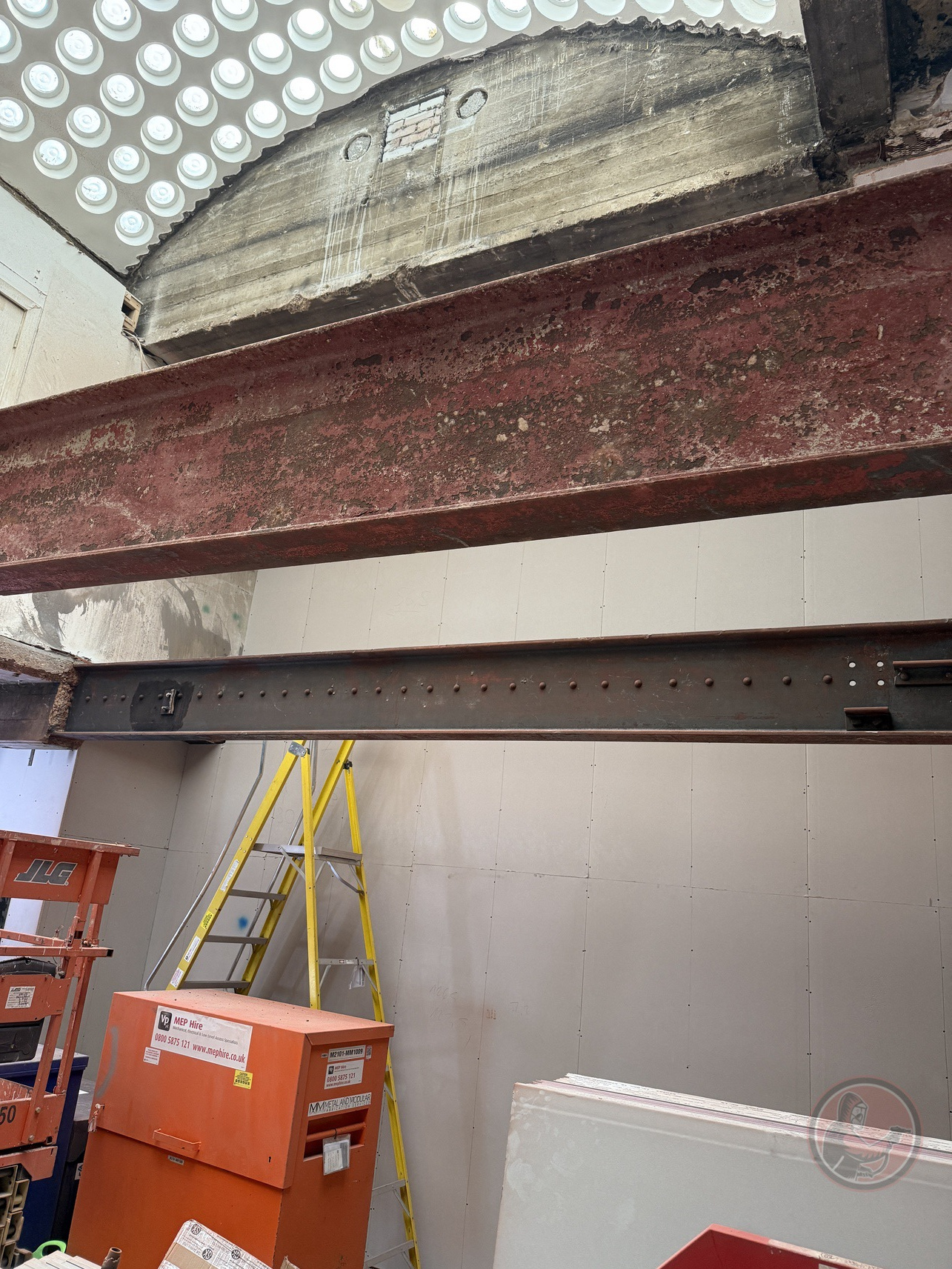
Beams before dry ice blasting

Project-Specific Considerations for Dry Ice Blasting

Intricate Machinery and Components

When you've got complex bits of kit, like specialised machinery or delicate electronic components, getting them ready for a new intumescent coating can be a real headache. Traditional methods, like blasting with sand or grit, can be too harsh. They might damage sensitive parts, get stuck in nooks and crannies, or even cause short circuits if it's electrical gear. This is where dry ice blasting really shines. Because it uses no abrasive media and the dry ice sublimates into gas, it's incredibly gentle. It cleans effectively without leaving any residue or causing physical damage. This means you can get into all those tight spots and complex shapes without worrying about wrecking the equipment. It’s a game-changer for preparing things like:

  • Aerospace components
  • Automotive parts with intricate details
  • Food processing machinery
  • Precision engineering equipment

Environments Requiring Minimal Residue

Some projects have really strict rules about what gets left behind. Think about food production facilities, pharmaceutical plants, or even clean rooms. Any leftover abrasive media or water could contaminate the product or the environment, leading to serious issues. Dry ice blasting is perfect here because it's a media-free process. The dry ice turns straight into CO2 gas and dissipates, leaving absolutely nothing behind except a clean surface. This avoids the need for extensive cleanup of secondary waste, which can be a massive time-saver and cost-reducer on site. It’s also a big plus if you're working near sensitive equipment that can't get wet.

The absence of secondary waste makes dry ice blasting a standout choice when contamination is a primary concern. Unlike methods that leave behind spent media or water, this technique offers a clean slate, literally. This is particularly important in industries where product purity or the integrity of sensitive systems is paramount.

Delicate or Historical Surfaces

Working on historical artefacts, listed buildings, or surfaces that are just plain fragile requires a very careful touch. You want to remove contaminants and prepare the surface for coating, but you absolutely cannot risk damaging the original material. Aggressive blasting can erode or alter the surface texture, which is a big no-no for preservation projects. Dry ice blasting offers a non-abrasive solution that can lift contaminants without altering the substrate. It’s ideal for:

  • Restoration of architectural features
  • Cleaning delicate metalwork
  • Preparing surfaces where maintaining the original patina is important

It allows for a thorough clean while respecting the integrity of the original material, which is often the most important factor in these types of projects.

The Role of Dry Ice Blasting in Coating Adhesion

When you're getting ready to apply intumescent coatings, the surface you're working on really matters. It's not just about making it look clean; it's about making sure that new coating sticks properly and does its job for years to come. Dry ice blasting plays a specific part in this, particularly when it comes to getting the surface just right for that all-important adhesion.

Ensuring Compatibility with Surface Tolerant Coatings

Some intumescent coatings are designed to be 'surface tolerant'. This means they can be applied to surfaces that aren't perfectly prepared, perhaps with a bit of residual rust or mill scale left behind. However, even these coatings benefit from a properly prepared surface. Dry ice blasting can achieve a good level of cleanliness without creating a deep anchor profile that might be too aggressive for a surface-tolerant coating. The key is removing contaminants like oils, greases, and salts that would definitely stop any coating from sticking. It leaves a clean surface that's ready for the coating, without over-preparing it.

Here's a quick look at what dry ice blasting removes:

  • Oils and greases
  • Dirt and dust
  • Chemical residues
  • Light rust and scale (depending on severity)

Preventing Contamination for Grain Protection

For certain applications, especially involving steel structures that might be prone to corrosion, the surface preparation needs to be spot on to prevent what's called 'under-film corrosion' or 'grain protection' issues. If you leave behind even tiny amounts of salt or chemical contaminants, these can react with moisture and the steel over time, causing rust to form underneath the coating. This is a real problem because you might not see it until it's quite advanced.

Dry ice blasting is brilliant here because it uses no secondary waste media. The CO2 sublimes, meaning it turns straight into gas. This leaves behind no residue that could trap moisture or cause chemical reactions later on. It's a clean sweep, which is exactly what you want when you're trying to protect the integrity of the steel itself and give your intumescent coating the best possible chance to perform its protective function.

The absence of moisture and secondary waste from the dry ice blasting process is a significant advantage. It means you're not introducing new potential problems while trying to solve old ones, which is vital for long-term coating performance and the protection of the underlying substrate.

Before and after dry ice blasting

Assessing Suitability for Your Project

So, you're wondering if dry ice blasting is the ticket for your intumescent coating job. It's not a one-size-fits-all kind of deal, you know? You've got to look at a few things to make sure it's the right move. Making the right choice here saves you time, money, and a whole lot of hassle down the line.

Evaluating Substrate and Contaminant Types

First off, what are you actually trying to clean, and what's on it? Dry ice blasting is brilliant for getting rid of oils, greases, soot, and even some old coatings without damaging what's underneath. But if you've got really stubborn, deeply ingrained rust or heavy mill scale, you might need something a bit more aggressive. It really depends on the specific contaminant.

Here's a quick rundown:

  • Good for: Light oils, greases, dirt, soot, carbon deposits, wax, some paints and coatings.
  • Less effective for: Heavy rust, thick mill scale, deeply embedded contaminants.
  • Substrate considerations: It's generally safe for metals, plastics, rubber, and composites. However, very soft materials might be affected by the impact, though it's much gentler than sandblasting.

Considering Environmental and Operational Constraints

Think about where you're working and what the rules are. Dry ice blasting is pretty neat because it doesn't create secondary waste like dust or grit. The 'media' – the dry ice pellets – sublimes, meaning it turns straight into gas. This is a massive plus if you're working in sensitive areas or places with strict waste disposal rules.

  • No secondary waste: This means less cleanup and disposal costs.
  • No moisture: Unlike water jetting, there's no water left behind, which is great for electrical components or areas where moisture is a problem.
  • Noise levels: It's generally quieter than abrasive blasting, which can be a benefit in built-up areas.

However, it's not completely mess-free. You'll still have the original contaminants to deal with, and you need good ventilation because of the CO2 gas produced. Plus, the equipment can be a bit bulky, so access to tight spots might be tricky.

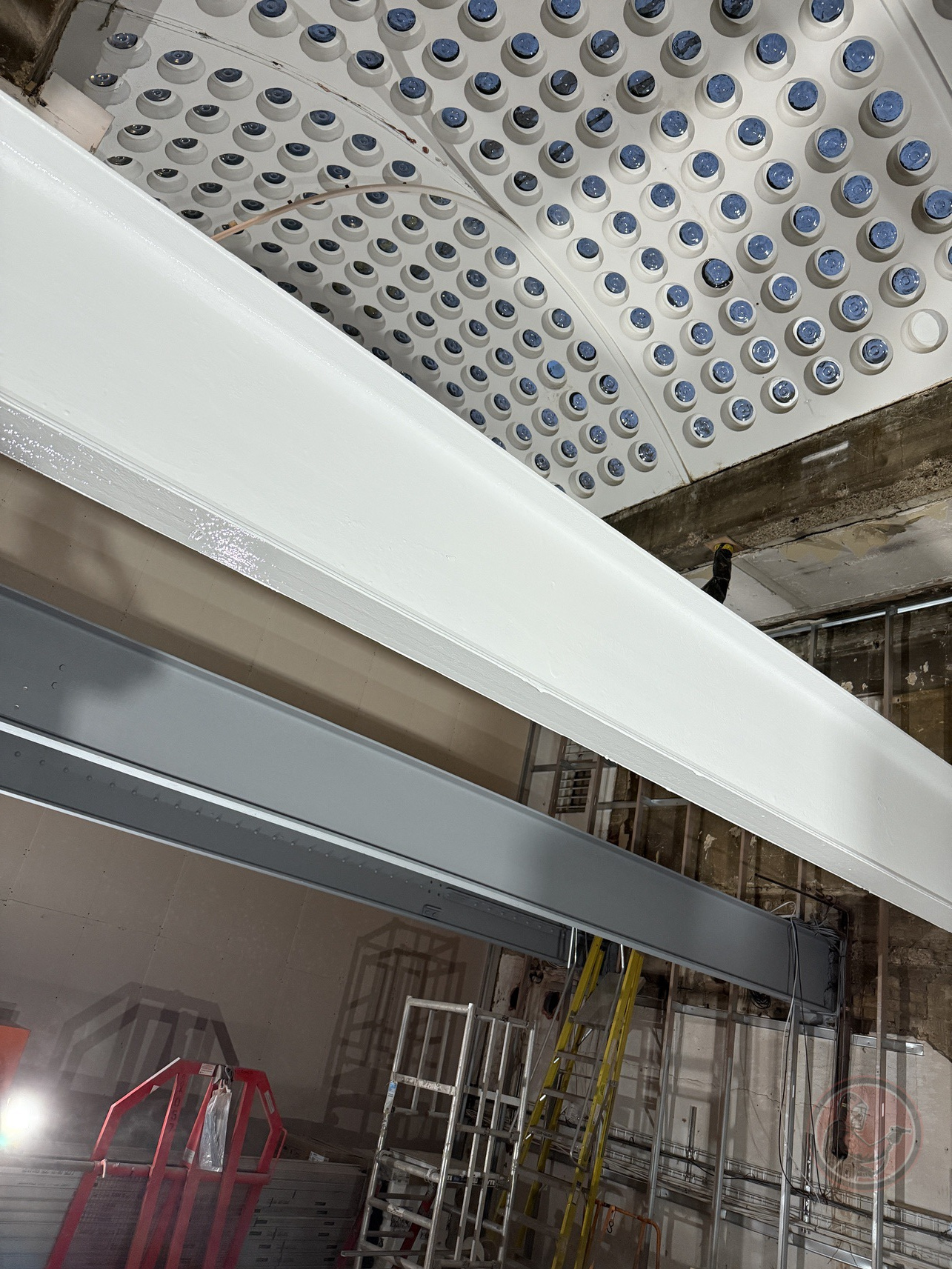
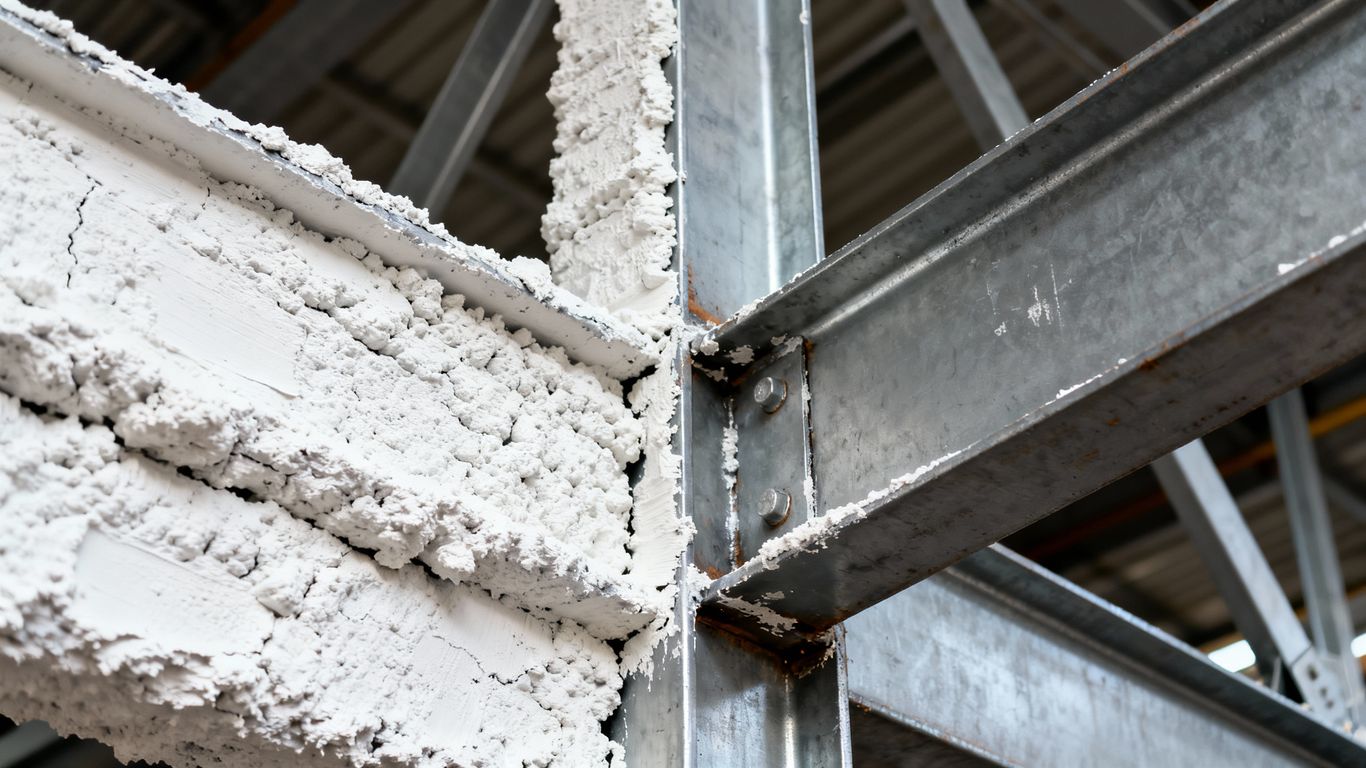
Steel beams after dry ice blasting and intumescent application

The Importance of Expert Assessment

Honestly, the best way to know for sure is to get someone who really knows their stuff to take a look. They can assess the surface, the contaminants, and your project's specific needs. They'll consider things like:

An expert can help you weigh up the pros and cons of dry ice blasting against other methods, like abrasive blasting or high-pressure water jetting, to find the most suitable and cost-effective solution for your intumescent coating project.

So, When's Dry Ice Blasting the Winner?

Right then, wrapping things up. When it comes to getting surfaces ready for intumescent coatings, picking the right prep method is a big deal. We've seen how dry ice blasting shines in specific situations – think delicate bits, places where you can't have any mess or moisture, or when you just need a really clean finish without damaging what's underneath. It's not always the go-to for creating a deep anchor profile needed for some heavy-duty coatings, mind you. For those jobs, you'll likely still be looking at things like abrasive blasting or UHP water jetting. But if your project has those tricky requirements, dry ice blasting could be your best mate. Always best to have a good think about what you're actually trying to achieve and what the site's like before you commit.

Frequently Asked Questions

What is the main point of preparing a surface before painting?

The main goal is to make the surface super clean and a bit rough. Cleaning gets rid of rust, old paint, dirt, and grease. Making it rough, like sandpaper, helps the new paint stick really well and last longer.

When is dry ice blasting a good choice for surface prep?

Dry ice blasting is brilliant when you need to be really gentle. It's perfect for cleaning delicate machines, electrical bits, or old historical items because it doesn't scratch or damage them. Plus, it doesn't make a mess with leftover dust or grit.

How does dry ice blasting compare to using sand or water?

Unlike sandblasting which uses solid bits that can scratch, or high-pressure water that can leave things wet, dry ice blasting uses frozen carbon dioxide. It turns straight into gas on impact, cleaning the surface without leaving any residue or moisture, and it's much gentler.

Can dry ice blasting be used on complex shapes?

Absolutely! Dry ice blasting is fantastic for getting into all the nooks and crannies of complicated machinery and components. The tiny dry ice pellets can reach places that might be tricky for other methods, ensuring a thorough clean.

Does dry ice blasting help the new paint stick better?

Yes, it does! By cleaning the surface perfectly and creating a slight roughness, dry ice blasting ensures that the new coating can bond strongly. It also prevents any contamination that could weaken the paint's grip, especially important for things like grain silos.

How do I know if dry ice blasting is right for my project?

You need to think about what you're cleaning and what you're cleaning it with. If the surface is delicate, if you can't have any mess or moisture left behind, or if you're working near sensitive items, dry ice blasting is likely a great option. It's always best to get advice from experts who know all the different methods.

From the founder

“After a decade in the protective coatings industry, I built FireCoatings to deliver compliant fire protection without unnecessary noise — just clear communication, a controlled application process, and professional site practice.”

Myles Howson
Managing Director
eyebrow
"Thank you Myles and team for all your hard work on this one. It wasn't easy working around the schedule but you got it done without causing any further issues. It was a pleasure to work with you."
Chris
Project Manager, Millcroft Services
Interior view of a construction site featuring steel beams and columns painted with white protective coating and temporary support props.
eyebrow
"NuColour worked efficiently around our programme and delivered a on time at late notice. The team were organised, flexible, and professional throughout the works."
Ciprian
Site Manager, Principal Contractor – GEMCO
Close-up of a bright yellow structural steel column with rivets installed on a construction site indoors.